PR/Is Busan, South Korea the Ideal Destination for a First Overseas Workation?A One-Week Business Stay Report Covering Work, Sightseeing, and Daily Life — From Taxis and Hotels to Convenience Stores and Local Cuisine
Among overseas destinations close to Japan, South Korea stands out for its accessibility. Within the country, Busan is the nearest major metropolitan city. With no time difference, convenient access, a mild and comfortable climate, reasonably priced hotels, and a wide range of affordable dining options, the city offers a familiar yet international environment. Traditional markets filled with warm local hospitality coexist with well-developed infrastructure and an urban lifestyle comparable to Japan. For Japanese visitors accustomed to city living, Busan presents favorable conditions not only for tourism but also for workations and as a potential business base.
In the season when cherry blossoms were in bloom, our editorial team spent more than one week in Busan, carrying out a commissioned virtual tour production project while undertaking a workation. This article provides a first-hand report on a business stay in Busan, based on on-site experience.
This article was produced at the request of PanStar Cruise Ferry, which operates the Busan–Osaka route (coverage conducted in April 2025).
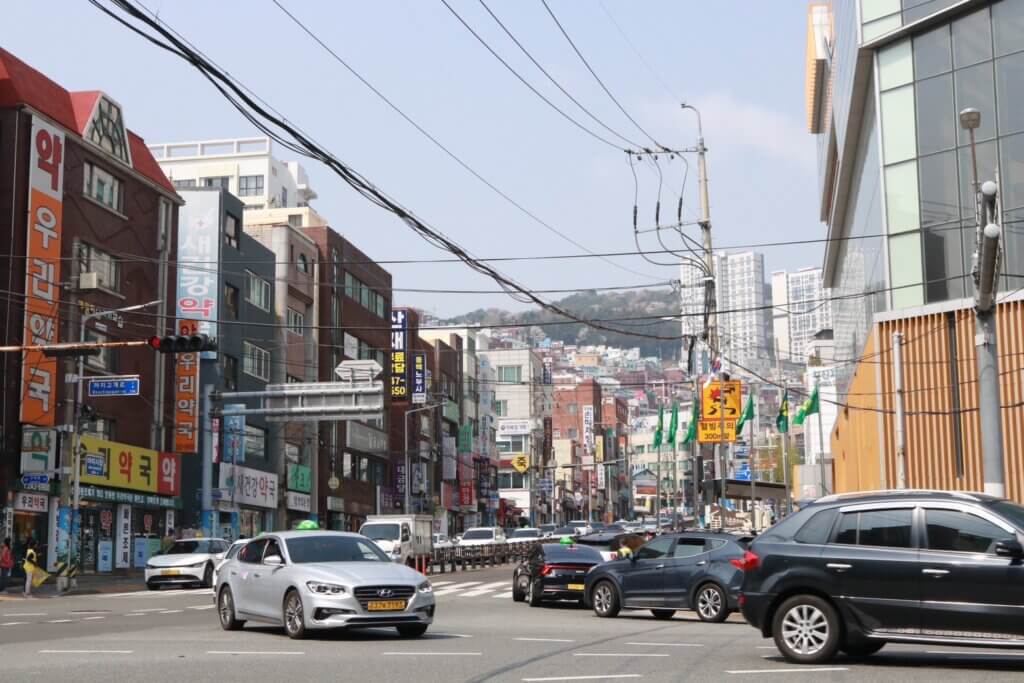
Busan, South Korea’s Second-Largest City, Offers Diverse Urban and Natural Attractions — Three Major Areas: Nampo-dong, Seomyeon, and Haeundae
Busan, the second-largest city in South Korea, has a population of approximately 3.29 million, with more than 4 million residents in the greater metropolitan area. Including surrounding regions, the area accounts for approximately 90% of South Korea’s shipbuilding production and more than 40% of its automobile manufacturing output, making it one of the country’s key industrial centers.
As Korea’s largest port city, Busan is supported by well-developed infrastructure, including the KTX high-speed rail network and international air connections. Historically, the city has served as a gateway between Japan and the Korean Peninsula, functioning as a strategic transportation hub. During periods of conflict on the Korean Peninsula, many refugees sought shelter in Busan, and the city later played a significant role in supporting South Korea’s postwar economic development.
Today, Busan is also a major commercial center and an active host city for MICE events, including conventions, exhibitions, and corporate meetings.
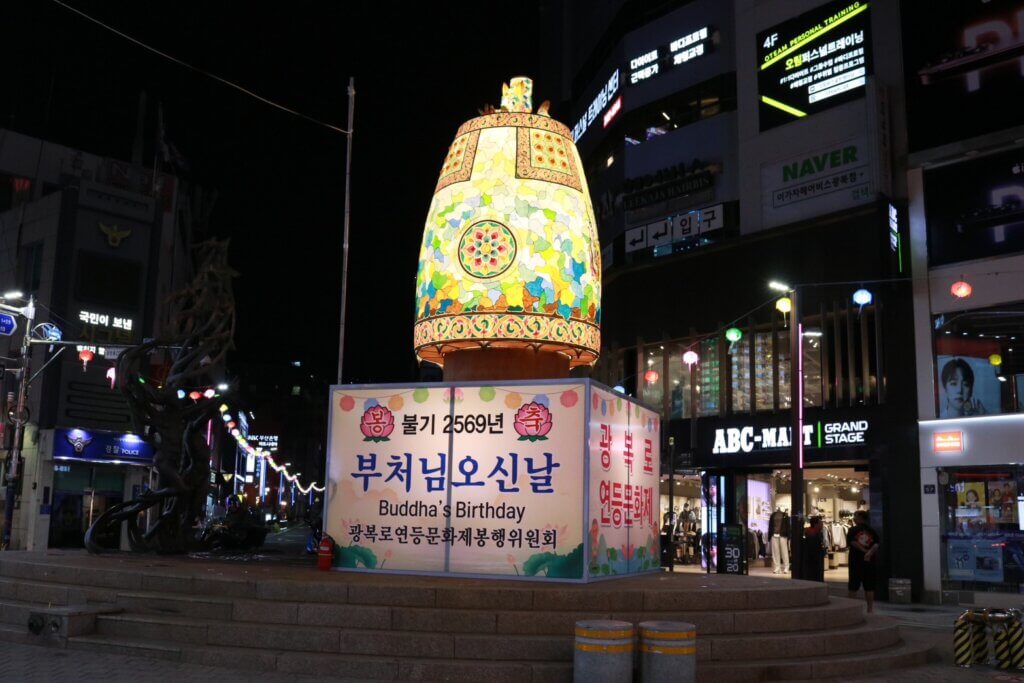
The timing of our visit coincided with Buddha’s Birthday (Lotus Lantern Festival), which is observed according to the lunar calendar and therefore falls in May, unlike in Japan.
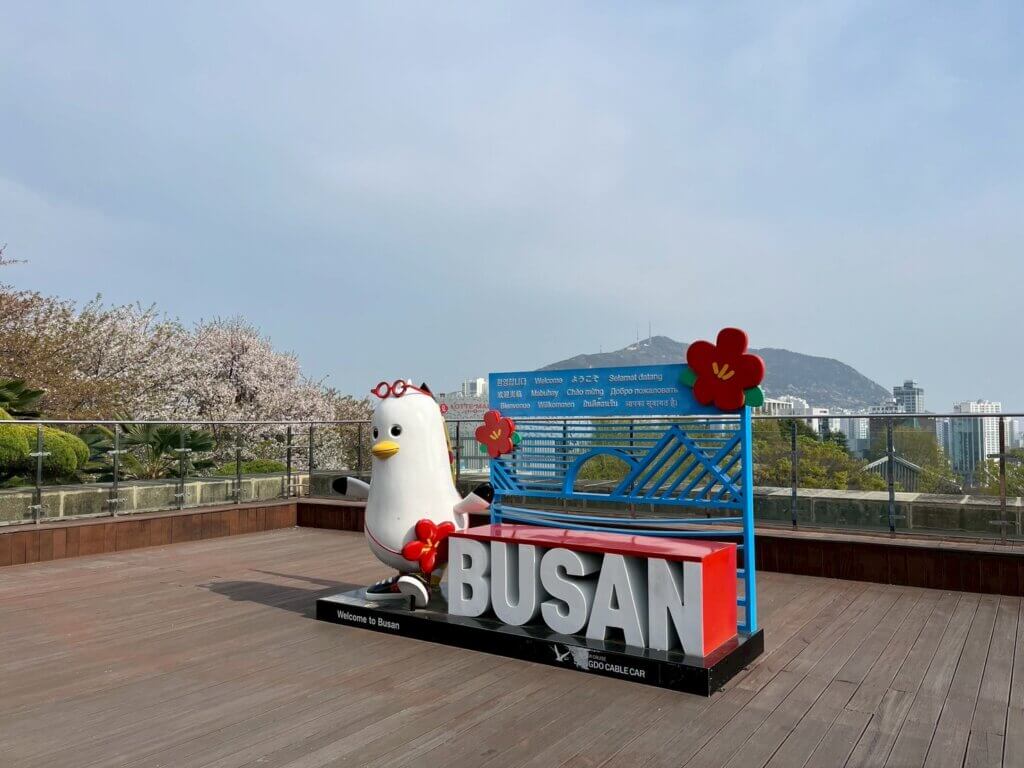
Yongdusan Park, which overlooks Busan Port and Yeongdo Island, offered a peaceful spring landscape during our stay. Cherry blossoms were in bloom, creating a scene that felt familiar to visitors from Japan.
From the historic downtown area of Nampo-dong to the seaside resort district of Haeundae, Busan presents a range of contrasting urban environments. Surrounded by both sea and mountains, the city benefits from abundant natural scenery within close proximity to commercial and residential districts.
The following three areas are widely regarded as Busan’s representative districts. Visitors can select where to stay according to their purpose, whether for business, sightseeing, or a workation. Each area is connected by subway, bus, and taxi, allowing smooth movement throughout the city. By extending one’s stay beyond a short visit, it becomes easier to experience the advantages of a workation that combines professional activities with daily life in a new environment.
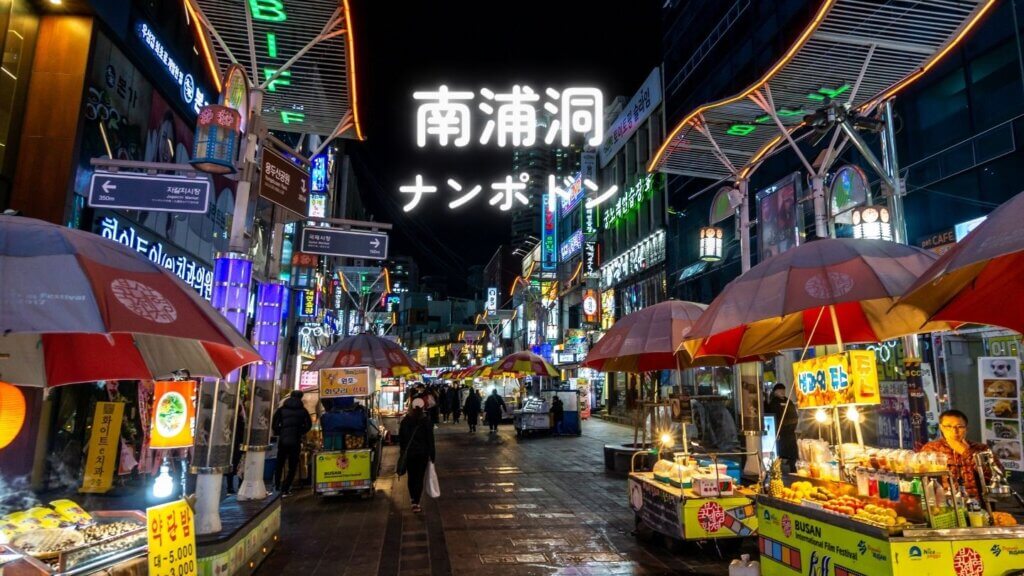
Nampo-dong and Yeongdo: Vibrant Markets and Alleyway Cuisine Reflecting the Energy of Asia
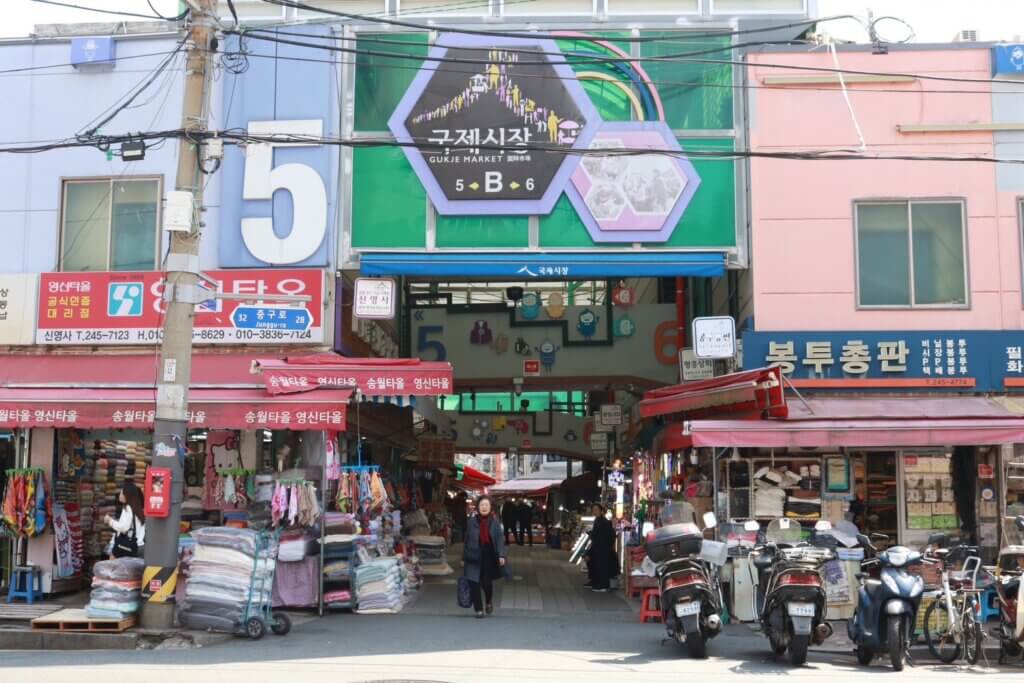
The Nampo-dong district, located near Busan Port, offers a favorable waterfront setting combined with a dynamic market culture. Along the street stalls surrounding Jagalchi Market and Gukje Market, visitors encounter rows of fresh seafood and a lively atmosphere characteristic of Korea’s traditional marketplaces. Narrow streets that retain a sense of history are interspersed with cafés and small art galleries, while neon lights illuminate the area after sunset.
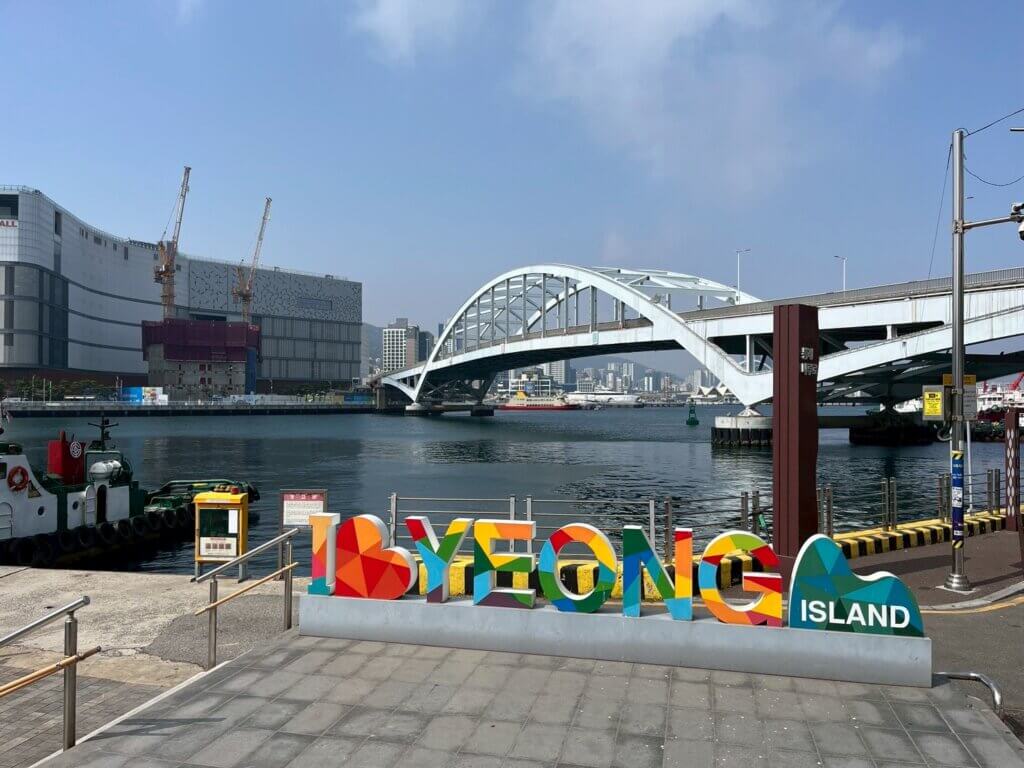
Across the harbor, Yeongdo presents a contrasting landscape. With views of the Busan Port Bridge and a quieter fishing village atmosphere, the district offers seaside walking paths that add a distinctive character to the area. Together, Nampo-dong and Yeongdo allow visitors to experience both the energy of an urban port district and the calmer rhythm of coastal life within a compact area.
From a practical perspective, this district also functions as a convenient base. Busan Station and the international ferry terminal are located nearby, providing access not only within Busan but also to other regions of Korea and overseas destinations. Accommodation options are comparatively affordable, and many hotels benefit from central, well-connected locations. For business travelers or workation participants, the area can serve as an effective “base camp” from which to operate.
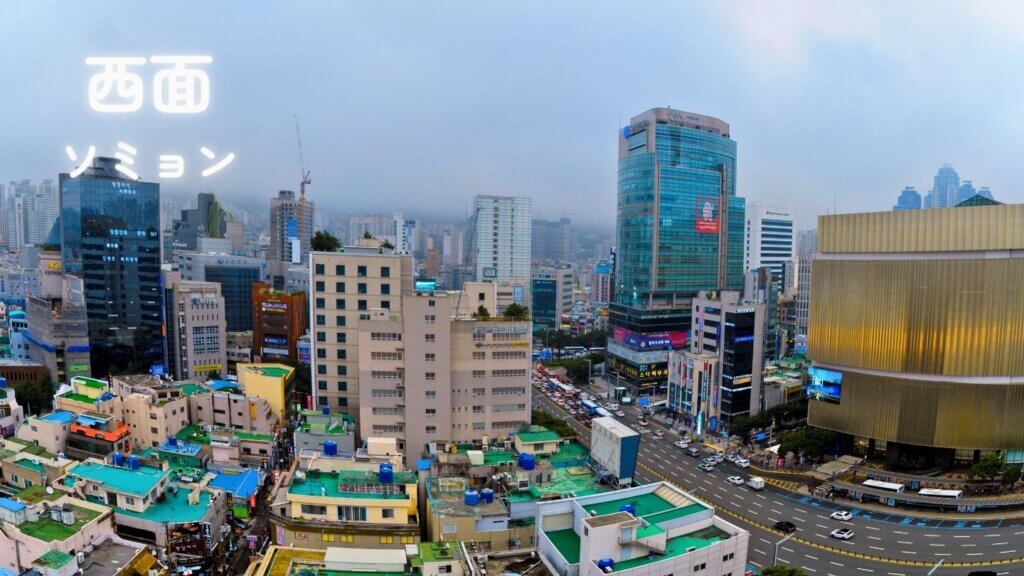
Seomyeon: An Urban Commercial District with Excellent Access Across the City
Seomyeon is widely recognized as Busan’s leading commercial and entertainment district. As a central transportation hub where multiple subway lines intersect, it serves as a key gateway to various parts of the city. Department stores, fashion complexes, and a wide range of restaurants line the streets, reflecting a blend of youth culture and business activity.
The extensive underground shopping arcades within large-scale commercial facilities offer both retail and dining options, contributing to steady foot traffic throughout the day and into the evening. A broad selection of hotels caters to business travelers, while the district’s office functions reinforce its role as an urban business center.
For visitors seeking a modern and metropolitan atmosphere, Seomyeon provides a practical base. Access to other areas of Busan by subway and bus is efficient, making it well suited for business stays as well as workations. The concentration of cafés and work-friendly spaces also supports remote work activities within an urban setting.
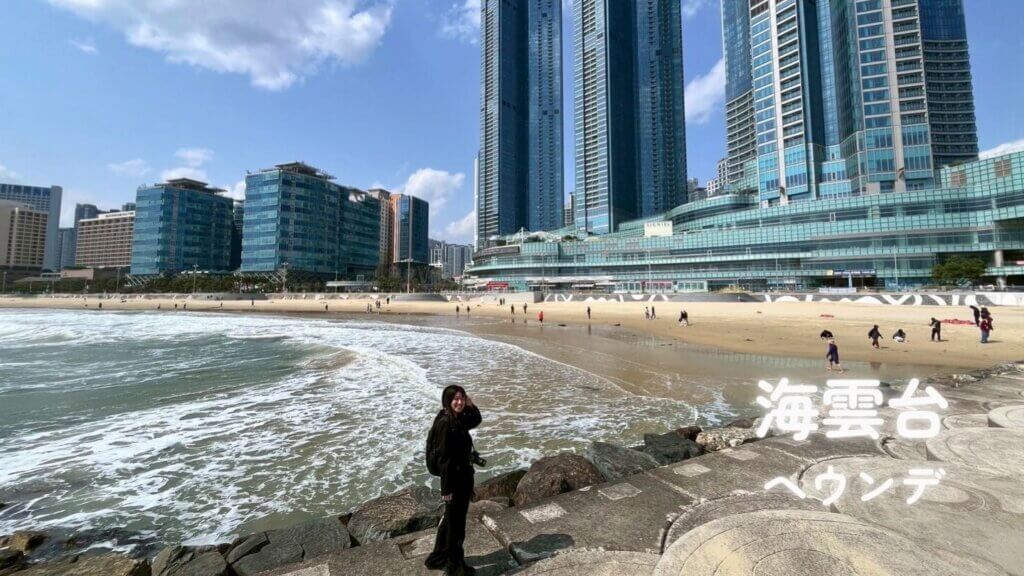
Haeundae: An Open Beachfront Setting and the Core of Busan’s Resort and MICE Activities
Haeundae is regarded as one of South Korea’s leading resort districts. The area is defined by its expansive white-sand beach and clear coastal waters, creating an open and distinctive waterfront landscape. High-rise hotels and seafood restaurants line the shoreline, and during the summer season marine leisure activities are particularly active.
The district is located near venues associated with the Busan International Film Festival and is home to major convention facilities such as BEXCO (Busan Exhibition and Convention Center). As a result, Haeundae plays a central role in Busan’s MICE activities, hosting conventions, exhibitions, and corporate events throughout the year.
Art centers, an aquarium, and well-maintained promenades further enhance the area, integrating tourism, business, and resort functions within a single district. For visitors seeking a workation environment distinct from everyday surroundings, Haeundae offers a setting that combines professional commitments with access to the seaside landscape. Its proximity to BEXCO also makes it a practical choice for those attending or organizing events there. Coastal walks, local dining streets, and retail areas contribute to an atmosphere that may support both focus and creative thinking during an extended stay.
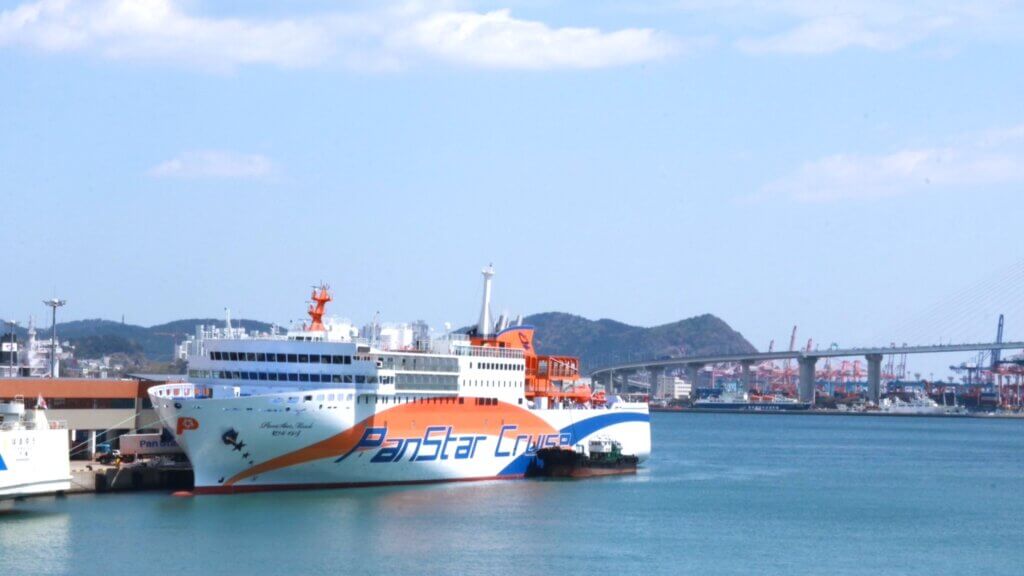
Access to Busan by Regular Ferry Service: Aboard PanStar Cruise’s Newly Built Vessel “Miracle”
There are several ways to travel to Busan. On this occasion, we used the regular Osaka–Busan ferry service operated by PanStar Cruise. In April 2025, the company introduced its newly built passenger vessel, Miracle. The ship departs Osaka in the afternoon and arrives in Busan the following morning. The Busan terminal is located near the Nampo area, allowing travelers to begin their activities shortly after arrival.
The voyage crosses the Seto Inland Sea of Japan. Along the route, passengers can view major landmarks including the Akashi Kaikyo Bridge, Shodoshima Island, the Shimanami Kaido, the Kanmon Strait, and Tsushima Island. The journey offers an opportunity to experience coastal scenery before arriving in Korea.
A separate article provides a detailed report on our experience aboard PanStar Cruise. Busan Port International Passenger Terminal also serves additional routes, including the Fukuoka–Busan service operated by Camellia Line and the Shimonoseki–Busan service operated by Kampu Ferry.

Other Access Options
Rail: Approximately 2.5 Hours from Seoul
Busan Station is connected to Seoul by the KTX high-speed rail network, with a travel time of approximately 2.5 hours. Fares are around JPY 6,000. While the distance and duration are comparable to traveling between Tokyo and Osaka by Shinkansen, the fare is less than half of that route. In addition to Seoul, Busan maintains convenient rail connections with other regions across South Korea, facilitating domestic business travel.
Air: Scheduled Flights from Major Cities in Japan
Busan is served by Gimhae International Airport, which operates scheduled international flights from multiple cities in Japan. Direct services are available from Narita, Kansai International Airport, and Chubu Centrair International Airport, among others. Additional routes connect Busan with Sapporo, Fukuoka, Naha, Kumamoto, and Matsuyama.
Flight times are approximately 1 to 1.5 hours from western Japan, and around 2 hours and 15 minutes from Narita, making Busan one of the most accessible international destinations for Japanese travelers.
From this point onward, the article presents a report based on our actual stay in Busan in April 2025.
Hotel Options: A Wide Range for Business Stays — From Business Hotels to Local and City Hotels, Starting at Around JPY 5,000 per Night
Busan is a popular tourist destination and offers accommodation options ranging from luxury hotels to dormitory-style guesthouses. For business travelers and workation participants, the range is sufficiently broad to accommodate different budgets and stay styles. Functional hotels suitable for business use can be found from approximately JPY 5,000 per night.
Reservations can be made through major online booking platforms such as Agoda and Booking.com, and vacation rentals via Airbnb are also available. On this occasion, we arranged our accommodation through Agoda, which is often regarded as having strong coverage across Asia. The platform is relatively user-friendly, even for those unfamiliar with overseas booking sites. It lists a large number of properties and provides extensive photo galleries. By reviewing guest ratings and comments in advance, it is generally possible to reduce the risk of significant mismatches between expectations and actual conditions.
For reference, we introduce two hotels that we used during this stay. The rates shown reflect the actual prices at the time of booking. As Agoda offers cashback programs, the effective cost was lower than the listed rate.
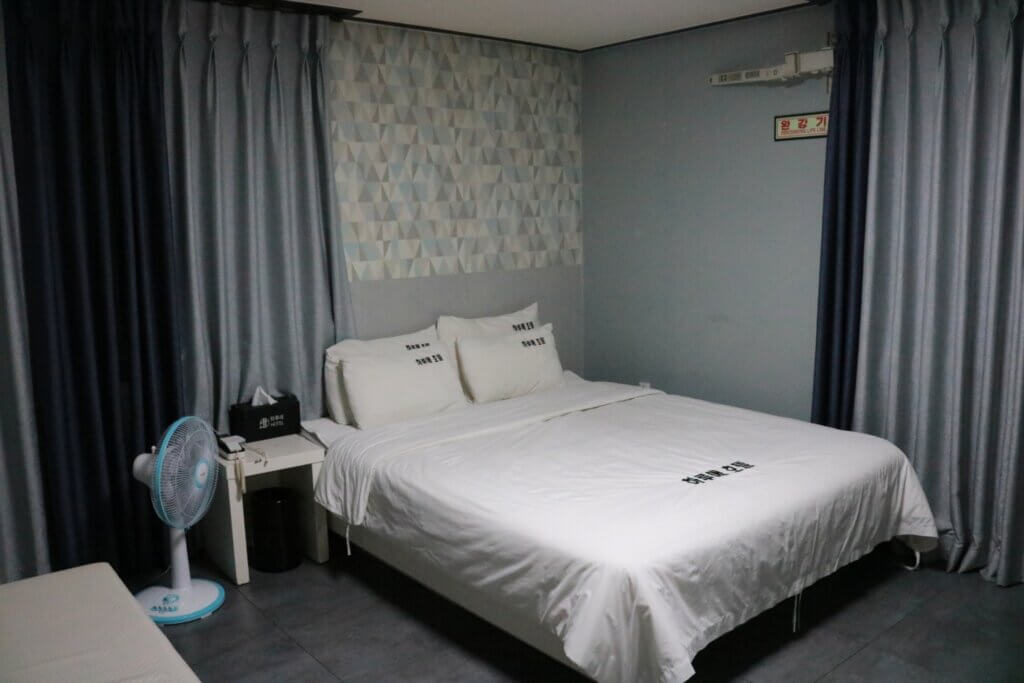
Haruae Hotel (Nampo-dong Area)
Haruae Hotel is located near Gukje Market in the Nampo-dong district. The rate at the time of our stay was approximately JPY 5,000 per room per night.
Although the hotel stands in a lively area lined with numerous restaurants and shops, the indoor environment remained quiet both at night and in the early morning. The staff were friendly and attentive throughout the stay.
The guest room, measuring approximately 24 sqm, provided sufficient space for a business stay. The bathroom was comparatively spacious, and the large desk allowed for comfortable PC work with documents spread out. The location also proved practical: restaurants, convenience stores, and walking routes were all within easy reach.
For our workation, the in-room environment was adequate for full-day work sessions, reducing the need to seek out external coworking spaces or cafés. From a business perspective, the combination of cost efficiency, room size, and central location made it a practical option for extended stays in Busan.
Web site https://www.agoda.com/en-ca/busan-nampodong-haruae/hotel/busan-kr.html
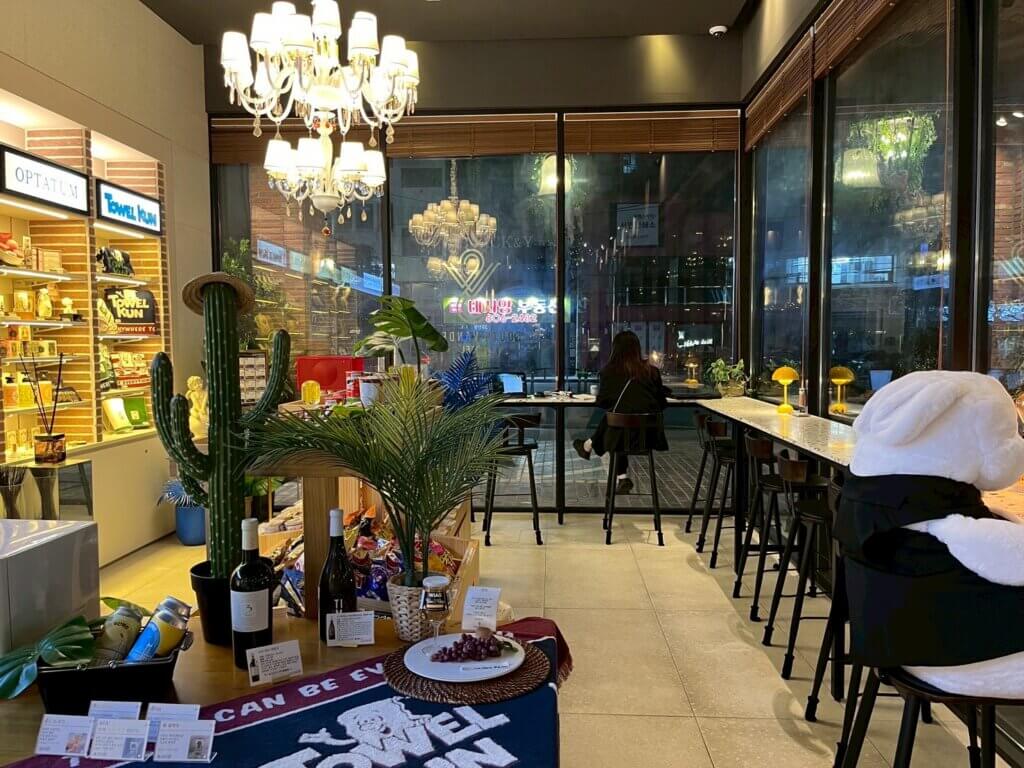
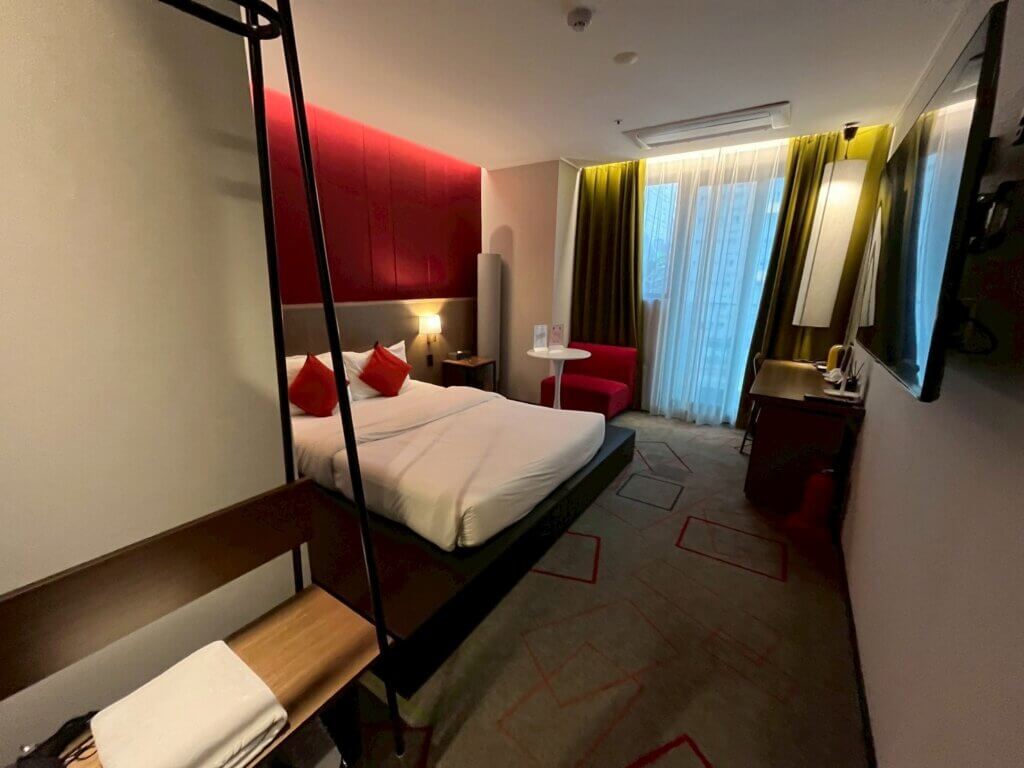
South Vandeco Hotel (Seomyeon Area)
South Vandeco Hotel is located approximately a 7–8 minute walk from the center of the Seomyeon district. The rate at the time of our stay was around JPY 6,500 per room per night.
The hotel is relatively new and features a contemporary design aesthetic. On the ground floor, there is a workspace equipped with power outlets, suitable for PC-based work. Guest rooms are also furnished with tables of sufficient size for laptop use and document review, making the property practical for business stays or workations.
The overall interior design is modern and well maintained, consistent with guest reviews at the time of booking. Adjacent to the hotel is a Michelin Bib Gourmand-rated gukbap (rice soup) restaurant, and convenience stores as well as casual dining options are located nearby, contributing to the area’s practicality.
Of course, staying at larger city hotels in Haeundae or Seomyeon is also a viable option. One of Busan’s strengths is the diversity of accommodation choices available, allowing visitors to select a property that aligns with their stay style and business schedule.
Web site https://www.agoda.com/en-ca/southvandeco-hotel/hotel/busan-kr.html
Dining: Satisfying and Affordable Meals at Around JPY 1,000 — From Korean Cuisine to Japanese, Western, and Cafés
One of the distinct advantages of a workation is access to local dining. Busan offers a wide range of options at accessible price points. It is not uncommon to find meals priced at around JPY 1,000 that are both filling and of reliable quality.
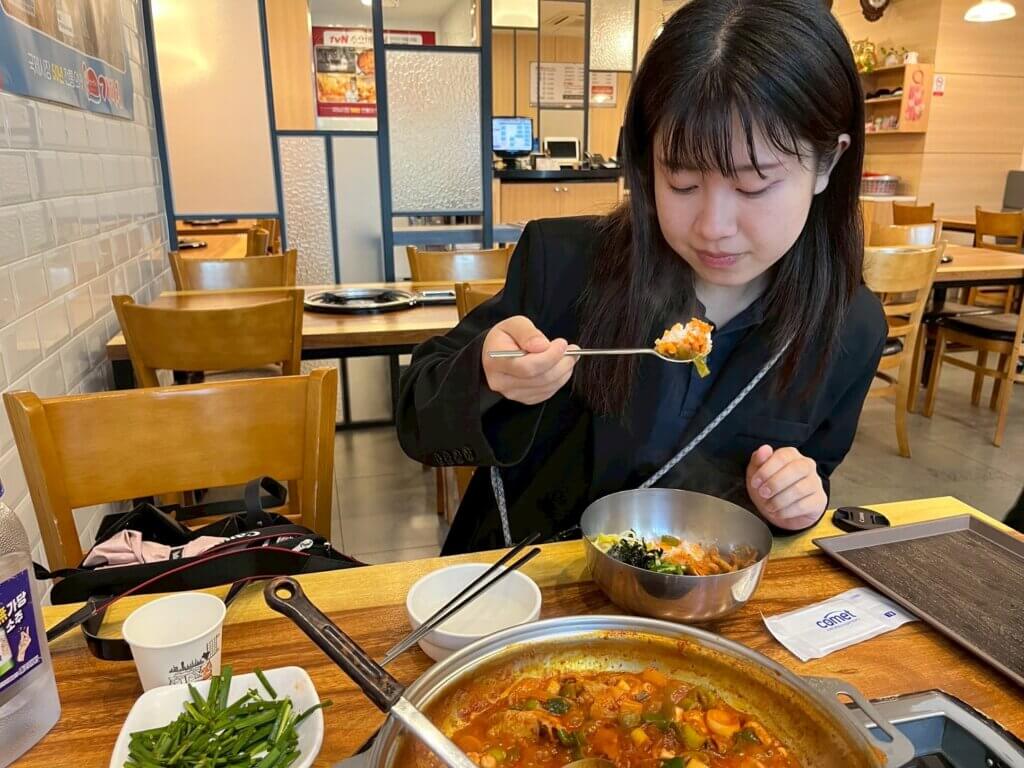
The city’s food scene extends beyond traditional Korean cuisine to include Japanese restaurants, Western-style eateries, and numerous cafés. Compared with Japan, there are fewer large national chains, and many establishments operate independently. As a result, individual restaurants tend to have a stronger identity and character.
Most venues are relatively small in scale, with limited seating and concise menus. It is therefore practical to decide in advance what one intends to eat before entering a restaurant. In many cases, menus are displayed outside with photographs, allowing visitors to understand the offerings without language difficulty.
Some travelers may have heard that dining alone can be challenging in parts of Korea. In Busan, however, this is generally less of a concern. Solo diners are commonly accommodated, particularly in urban districts. That said, portion sizes can be substantial even for single servings, and visitors may wish to consider this when ordering.
From a business stay perspective, the combination of affordability, variety, and ease of access contributes positively to longer-term workation experiences.
Selected Meals Enjoyed in Busan
Below are several examples of meals we enjoyed during our stay in Busan, primarily centered on Korean cuisine.
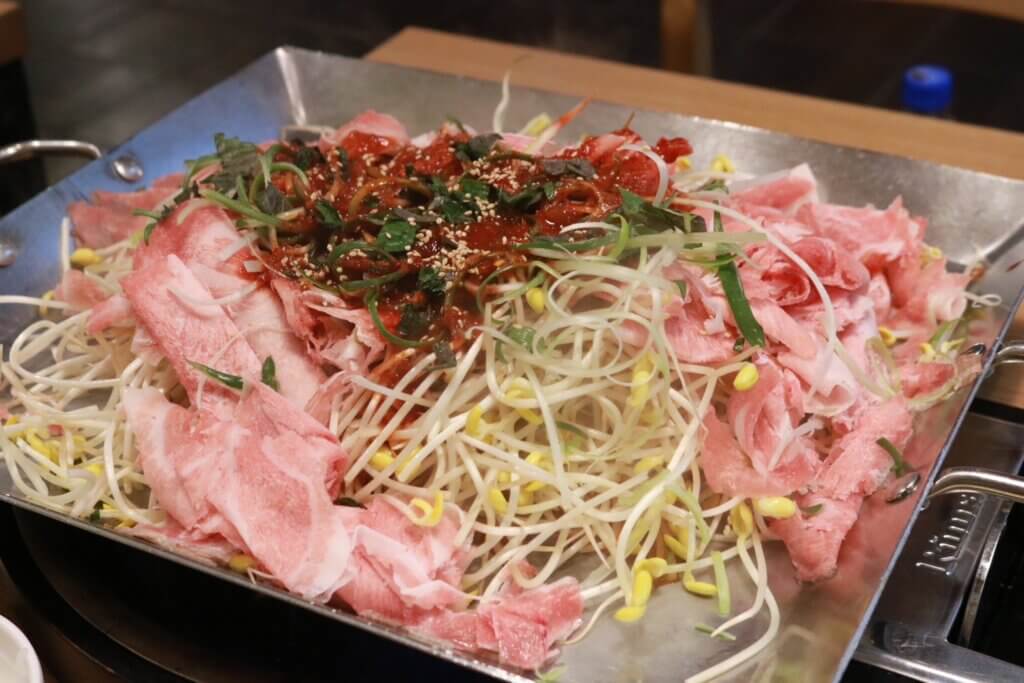
Kongnamul Bulgogi, commonly known as “Kongbul.” It is a dish that allows you to enjoy a generous portion of soybean sprouts. The meal is typically finished with fried rice prepared in the remaining sauce, which is particularly satisfying.
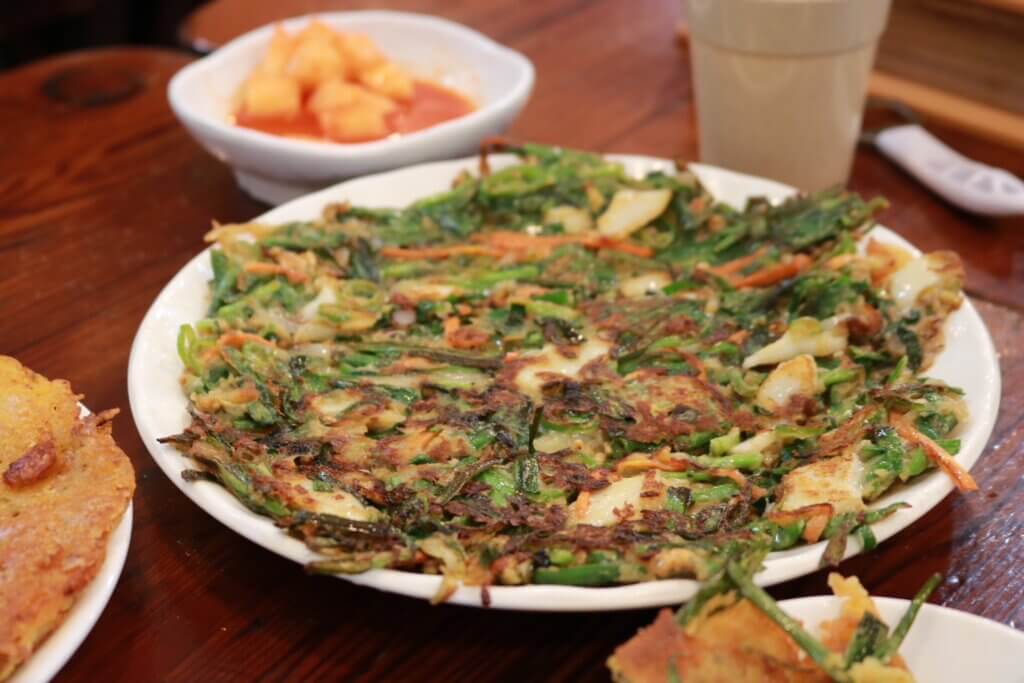
The pajeon in Nampo-dong was exceptionally good. Watching the vendor’s skillful and efficient preparation was equally impressive.
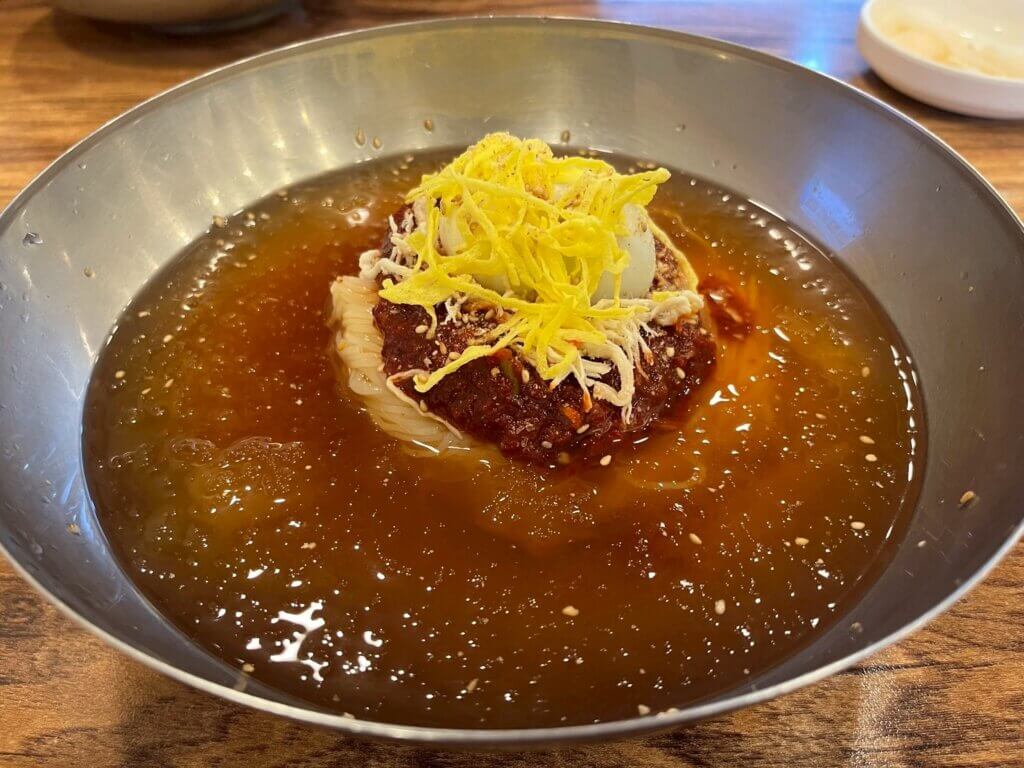
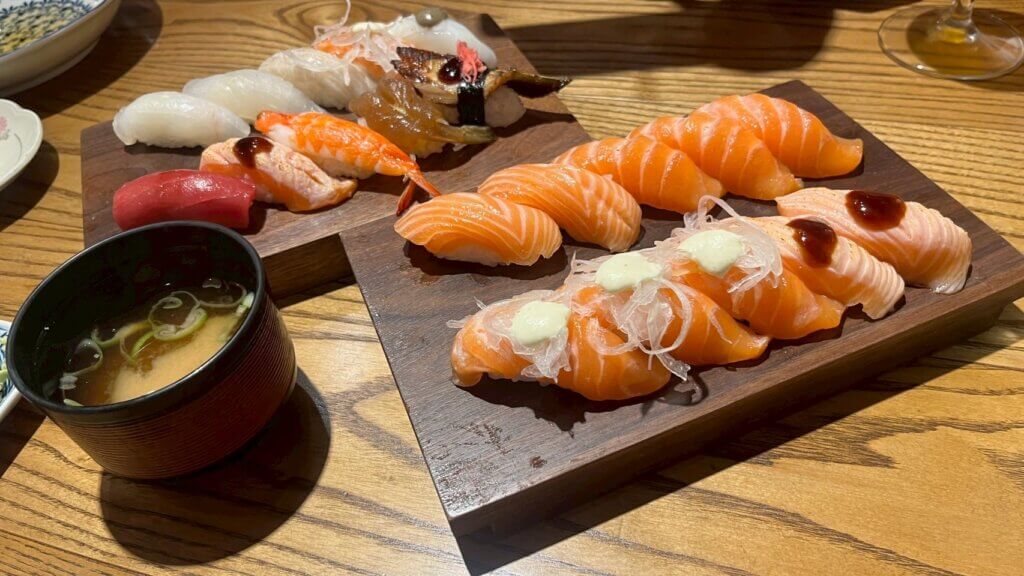
We ordered sushi at a Japanese restaurant. The slices of fish were generously sized, and the sushi was well prepared and easy to enjoy without any sense of unfamiliarity.
Convenience Stores and Markets: Numerous and Practical, Though Limited in Ready-to-Eat Options
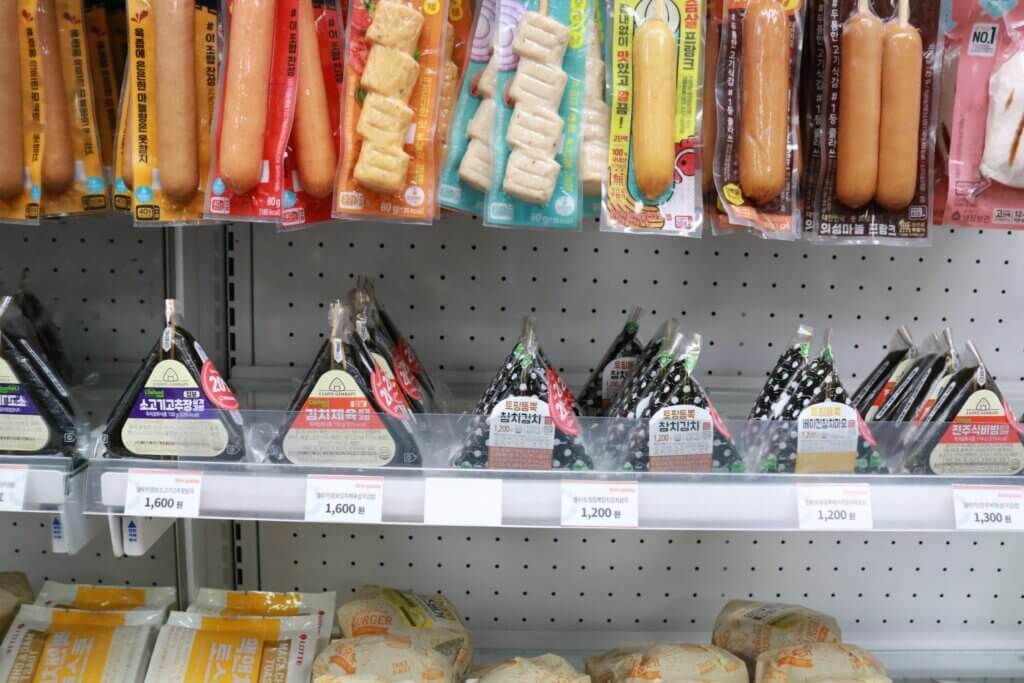
Convenience stores are widely available throughout Busan and are generally easy to access. However, compared with Japan, stores tend to be smaller in scale, with some resembling compact kiosks rather than full-service retail outlets.
The four major convenience store chains in South Korea are CU, GS25, 7-Eleven (operated in Korea under the Lotte Group), and emart24.
In contrast to Japan, ready-to-eat items such as rice balls, boxed meals, and sandwiches are less prominently stocked. Convenience stores are primarily useful for purchasing snacks, beverages, cup noodles, and small daily necessities. As vending machines are less common in Korea than in Japan, these stores serve an important role for quick purchases. Card payment is widely accepted, and cash is generally not required. Disposable shopping bags are not typically provided.
Price promotions such as “1+1” and “2+1” are commonly displayed in stores. A “1+1” promotion means that when one item is purchased, an identical item is provided free of charge. For example, under a “2+1” offer, purchasing two bottles of a beverage may entitle the customer to receive a third at no additional cost. These sales formats can provide noticeable savings for short-term stays.
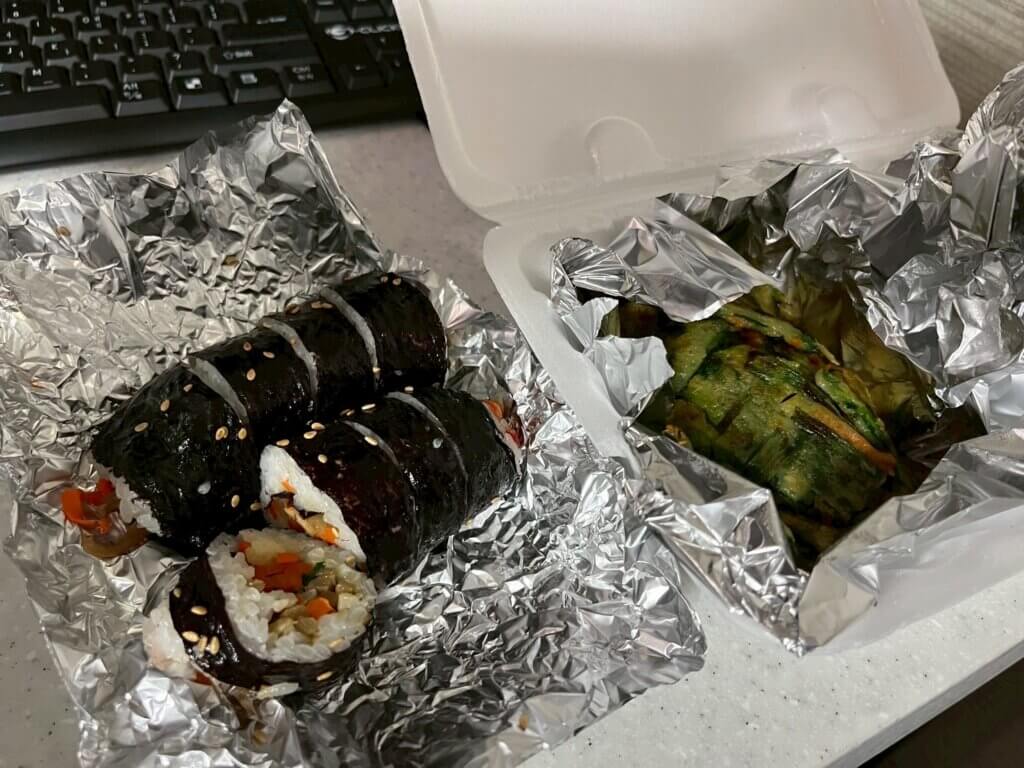
Sandwiches and rice balls are generally of good quality. When seaweed is used, the distinct flavor of Korean laver gives the items a local character. We purchased kimbap and pajeon from a street stall to take back. The kimbap (Korean-style seaweed rice rolls) was cut into bite-sized pieces after purchase, making it easy to eat.
Transportation: Efficient Mobility Within and Beyond the City
KTX High-Speed Rail
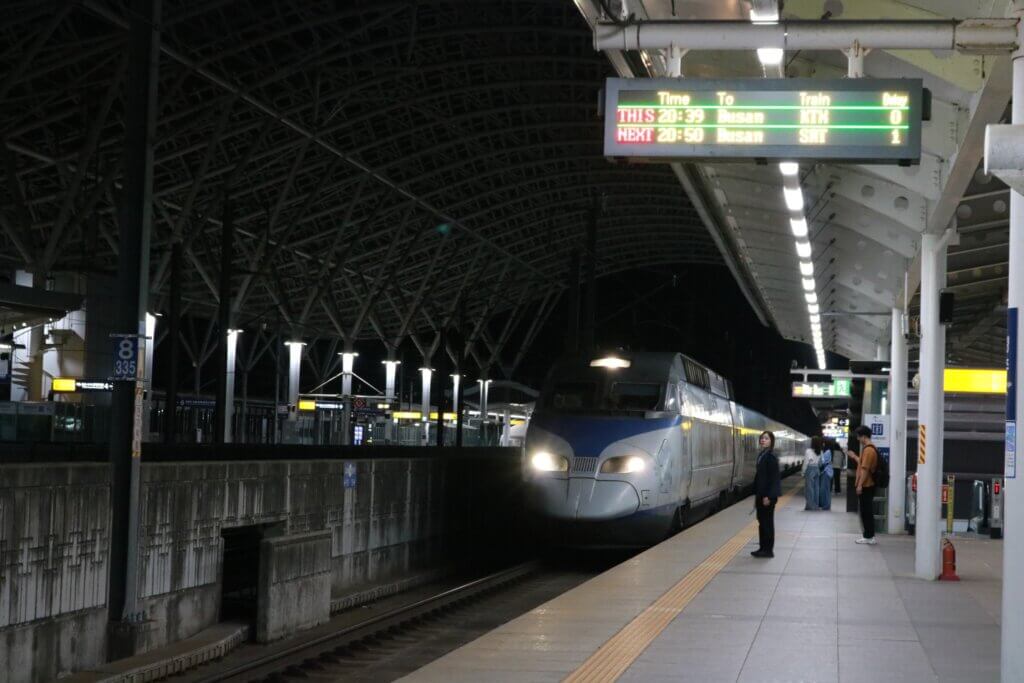
Busan Station serves as a major hub for the KTX high-speed rail network, comparable to Japan’s Shinkansen system. Travel to other regions of South Korea is efficient and comfortable. Fares are relatively affordable; for example, a trip between Busan and Gyeongju costs slightly above JPY 1,000, making short intercity travel accessible for business or leisure purposes.
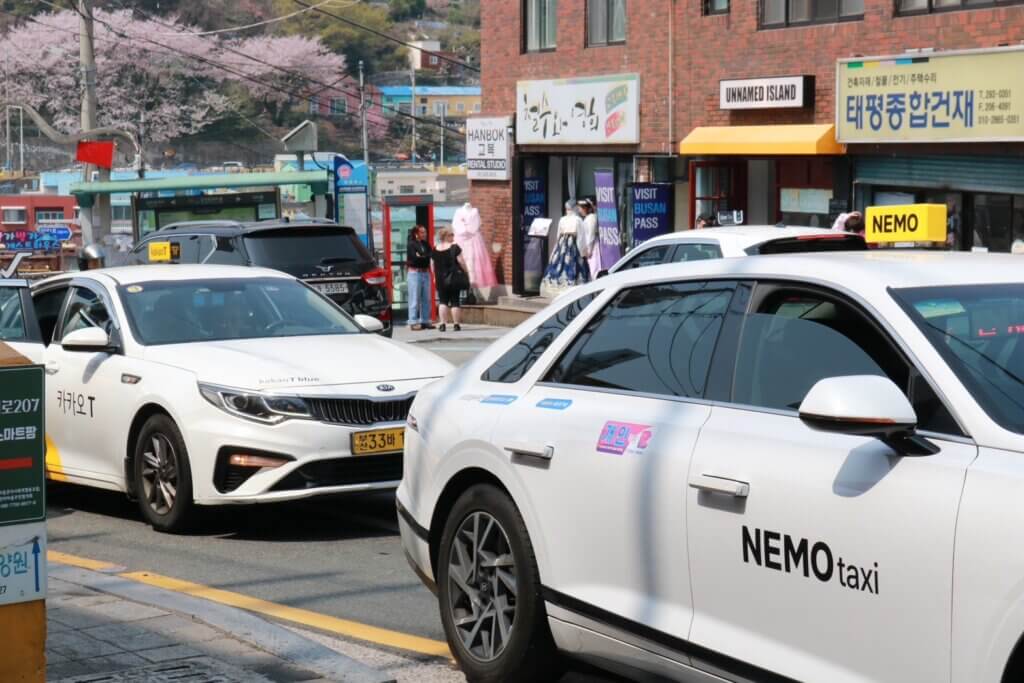
Taxi
Taxi services are easy to use via ride-hailing platforms such as Uber and Kakao T (Kakao Taxi). Even outside the central districts, matching times are generally reasonable. Fares are typically lower than in Japan. While English or Japanese language support was limited in our experience, drivers were professional in their service.In commercial districts, street-hail taxis are readily available, and taxis often wait at stations and major landmarks.
Public Transportation (Bus and Subway)
Busan has introduced Bus Rapid Transit (BRT) systems on key corridors. These buses operate on dedicated lanes and incorporate elements of a smart transport system, allowing for relatively stable travel times without significant congestion impact. Compared with subway travel, BRT routes often involve fewer level changes and offer visibility of the urban landscape, which may also appeal to visitors.
The subway network consists of six lines covering a broad area of the city. Service frequency is high, and the system functions as a practical and reliable means of daily transport.
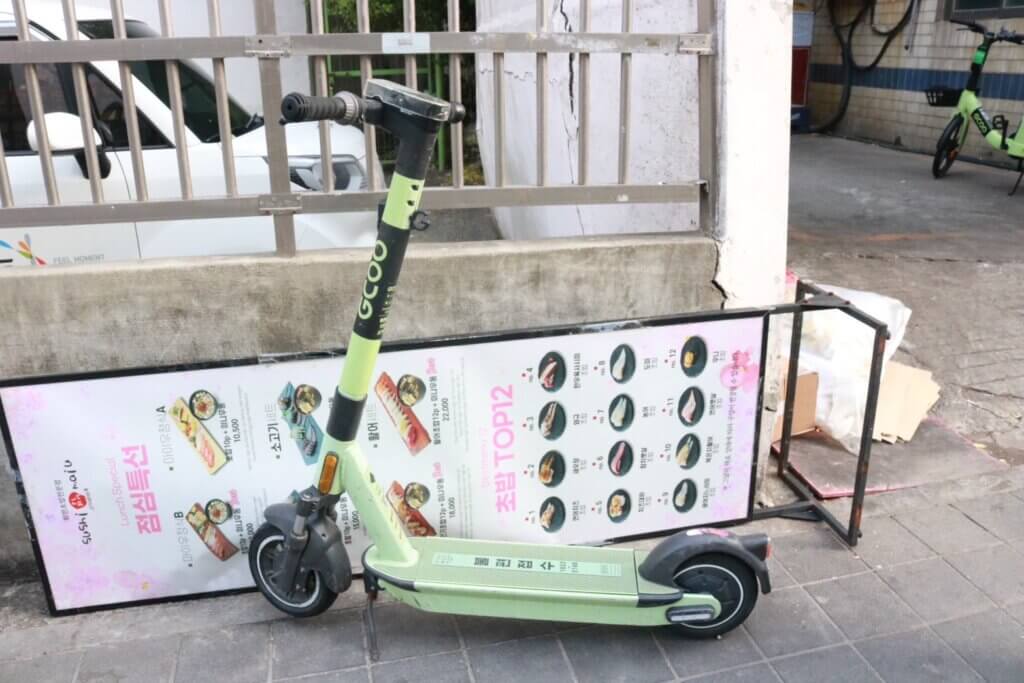
Electric Scooters
Electric kick scooters are commonly seen throughout the city. Unlike in Japan, designated no-parking zones appear to be limited, and scooters can be returned in most permitted areas. Foreign visitors can reportedly use these services upon registration. For short-distance travel, they represent an additional mobility option.
Workspace Environment: South Korea is often described as a café-oriented culture, and throughout Busan you will find everything from unique independent cafés to practical chain establishments.
With its generally mild climate, Busan also allows for working outdoors in parks or along the seaside without necessarily entering a café or designated workspace. However, for those who require stable access to power outlets and reliable internet connectivity, we tested various locations across the city. The following is a report based on that experience.
Hotel Lounges and On-Site Workspaces
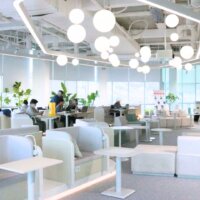
When a hotel provides a dedicated lounge or workspace, it can serve as a convenient working environment. Carrying a laptop from the guest room is often sufficient, reducing the need to search for external facilities.
Working from Cafés
Busan has a wide range of cafés, including independently operated spaces and major chains. Many offer ample seating, power outlets, and internet access. It is common to see customers studying or holding informal meetings. Exploring different cafés while working can also serve as a way to experience local neighborhoods.
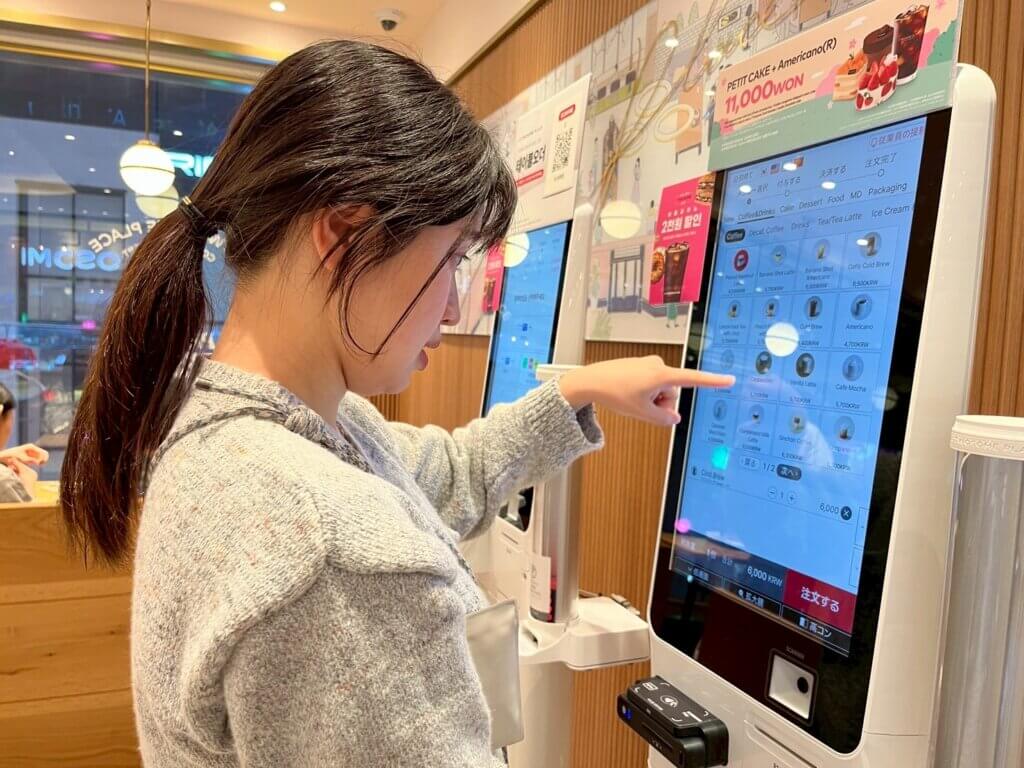
In many establishments, orders are placed via self-service kiosks. Some machines offer Japanese-language display options. Ordering directly at the counter is also straightforward. Table service, as seen in some traditional Japanese cafés, was not commonly observed. Drinking water is typically self-service, similar to many restaurants in Korea.
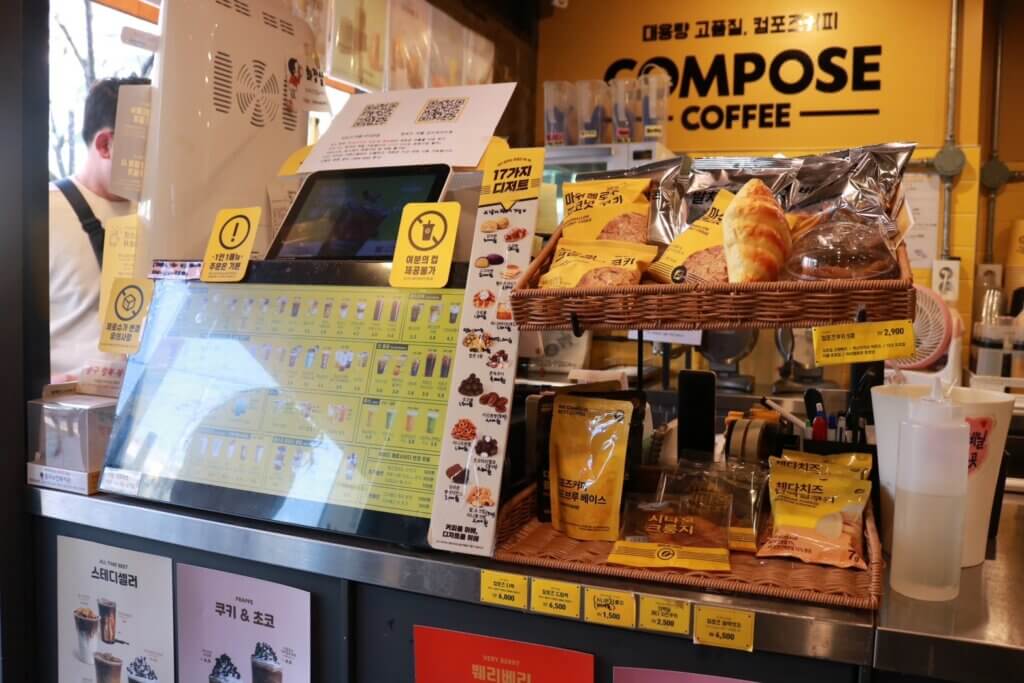
Among major chains, Compose Coffee is known for large-sized beverages at comparatively low prices, with entry-level coffee priced from approximately JPY 150. A Twosome Place offers spacious seating and a refined interior atmosphere. Although we did not sample desserts, the brand is widely recognized for its sweets. It operates on a franchise model across South Korea.
In terms of store count, EDIYA COFFEE has the largest number of outlets nationwide, followed by brands such as Starbucks Korea, MEGA COFFEE, A Twosome Place, and Compose Coffee. According to a 2022 report by Statistics Korea, the country has more than 100,000 coffee specialty stores, with annual sales totaling approximately JPY 1.8 trillion. The scale of the market reflects the strong café culture present throughout Korea.
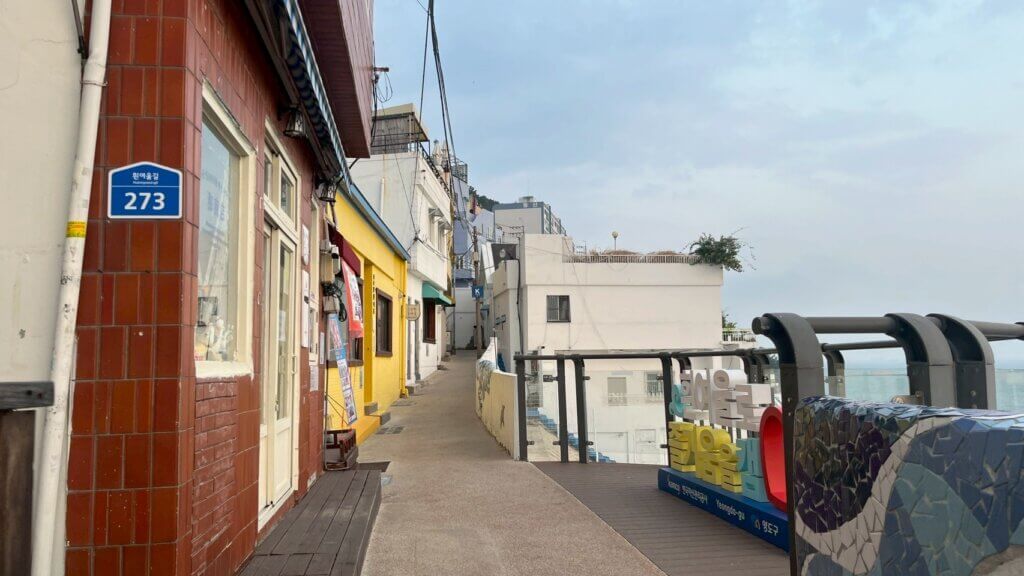
Cafés in Yeongdo
Yeongdo is an area composed of an island and surrounding districts located south of Busan Port. While historic shipyards and active fishing harbors continue to operate, the cliffside 전망 spot of Taejongdae offers panoramic views of Busan’s cityscape and the open sea. In recent years, renovated cafés and galleries have increased in number, and the district has attracted attention as a cultural base for local artists. Visitors can combine seafood dining with scenic coastal walks within the same area.
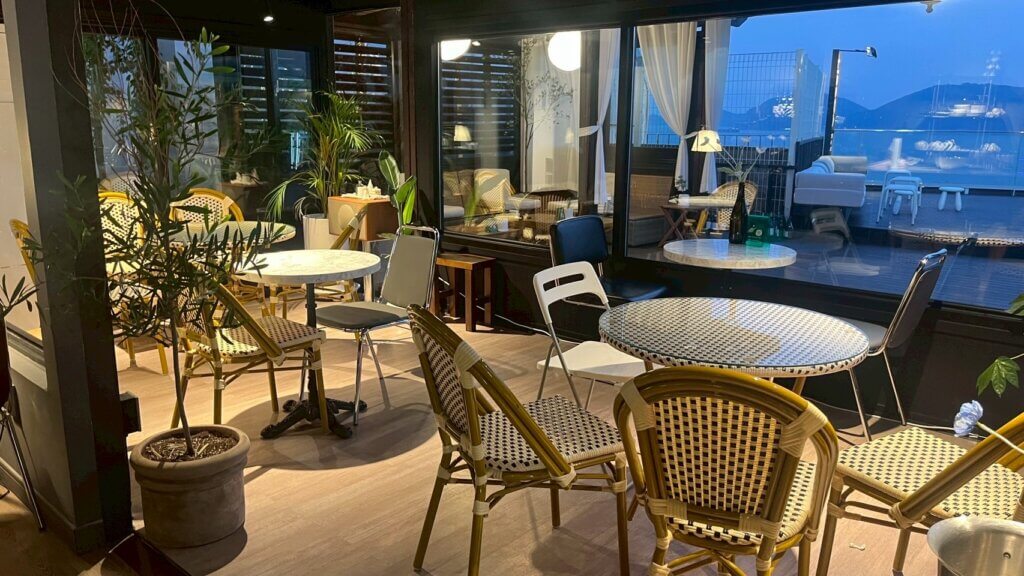
LISBOA Café reflects the broader design-oriented café culture found across Korea. Yeongdo is known for its scenic cafés with expansive views. Rather than serving primarily as a space for extended PC-based work, such locations may be better suited for generating ideas or taking a short break between activities.
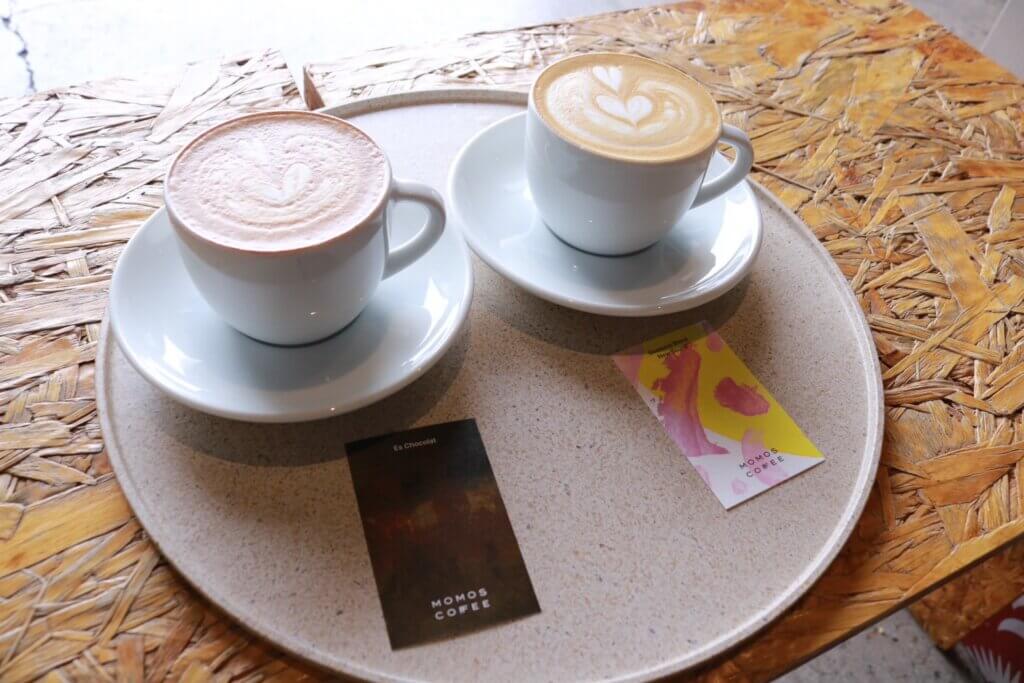
MOMOS COFFEE, also located in Yeongdo, is a well-known brand associated with a World Barista Championship winner. The café is frequently cited as a destination for specialty coffee within Busan.
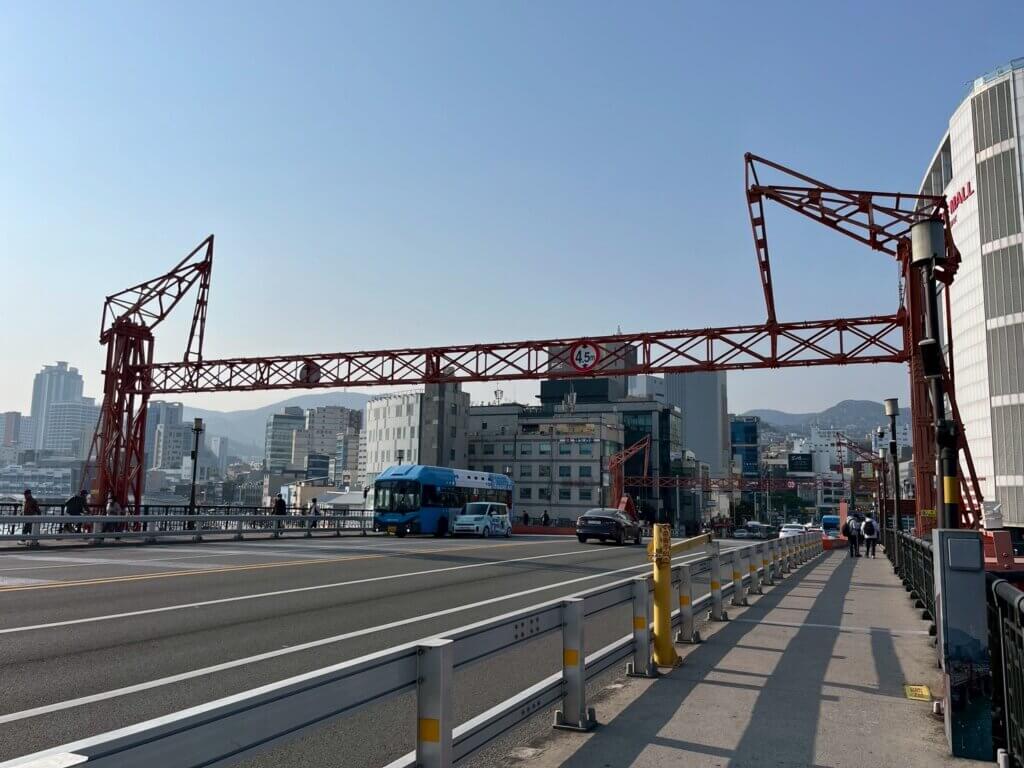
History of Busan and Yeongdo
Yeongdo became physically connected to the mainland during the period of Japanese rule beginning in 1910, when land reclamation and bridge construction projects were undertaken. At that time, shipyards and docks were developed as part of the expansion of Busan Port, and industrialization progressed rapidly. After the Second World War, the South Korean government modernized port facilities, and Yeongdo developed not only as a fishing base but also as a repair hub for large vessels.
During the Korean War, which began in 1950, a significant number of refugees fled to Busan. Many also sought shelter in Yeongdo. As the island has limited flat land, residential areas expanded into the surrounding hillsides, forming a distinctive urban landscape that remains visible today. In the 1960s and 1970s, housing complexes and commercial districts were developed on reclaimed land, supporting port workers and their families and establishing local communities. Today, Yeongdo is often described as an area where maritime industrial heritage and contemporary art and culture coexist.
Connecting the mainland and Yeongdo is Yeongdo Bridge, a bascule (drawbridge) structure. During the Korean War, families separated by the conflict reportedly promised to reunite at Yeongdo Bridge if they survived. The bridge became a symbolic meeting point, with people gathering nearby in hopes of reunion. Although the bridge ceased operating for a long period, events involving the opening of the bridge have been reintroduced in recent years as a way of preserving and commemorating its historical significance.
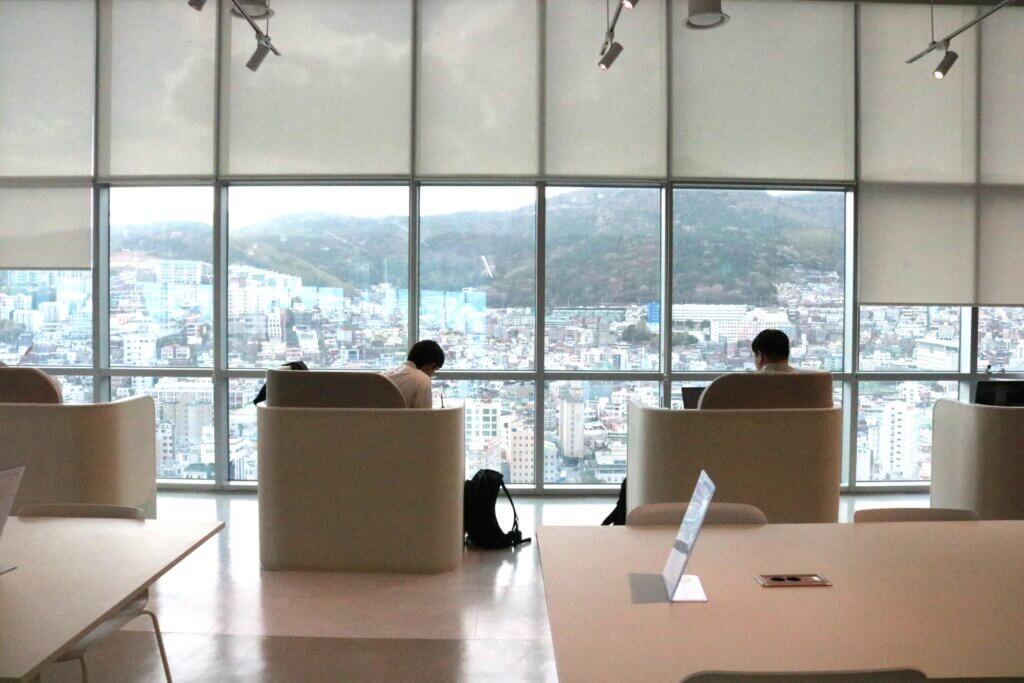
Considering Business Expansion? Visit the Busan Workation Center!
For those considering more substantial business engagement in Busan, the Busan Workation Center is located near Busan Station. The center actively supports workation stays as well as business expansion into the city.
Advance application is required for use, but the facility offers a favorable location and well-equipped work environment.
[Important] Preparations for a Workation in Busan
Busan offers an environment that allows for nomadic work in conditions broadly comparable to Japan. However, several practical preparations are advisable prior to departure. The following points provide a brief overview.
Power Adapters and Voltage
Electrical specifications differ between South Korea and Japan. Using Japanese plugs and adapters without proper conversion may cause equipment damage. It is therefore advisable to bring a compatible plug adapter and ensure that your devices support the local voltage.
Internet Connectivity
Busan provides widespread access to public Wi-Fi in cafés and commercial facilities. Nevertheless, for stays of several days or longer, arranging independent connectivity is recommended. Options include renting a mobile Wi-Fi device usable in Korea or activating an eSIM plan.
For those connecting multiple devices such as laptops and smartphones, mobile Wi-Fi may be more suitable. If connectivity is required only for a smartphone, an eSIM may suffice. eSIM plans can typically be activated online, allowing immediate use upon arrival. As a general reference, costs are approximately JPY 1,000 per day, with higher rates for high-speed or large-capacity data plans.
Map Applications
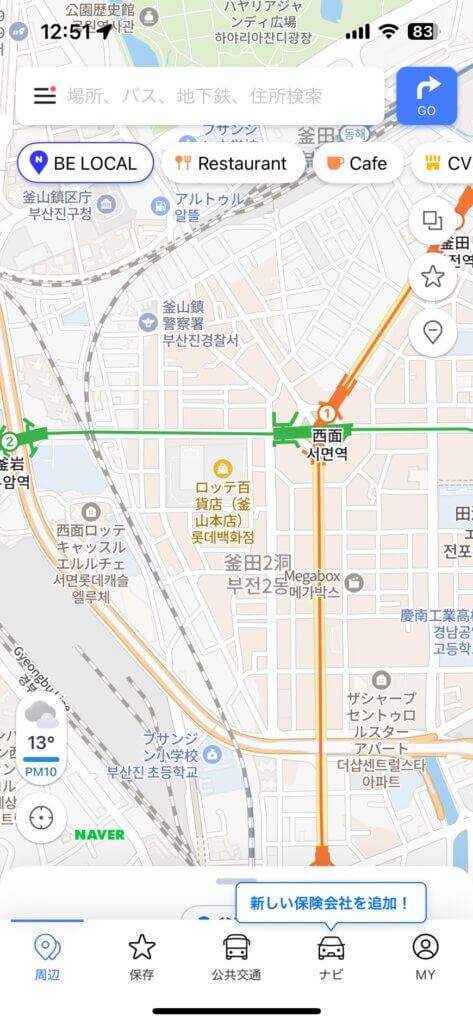
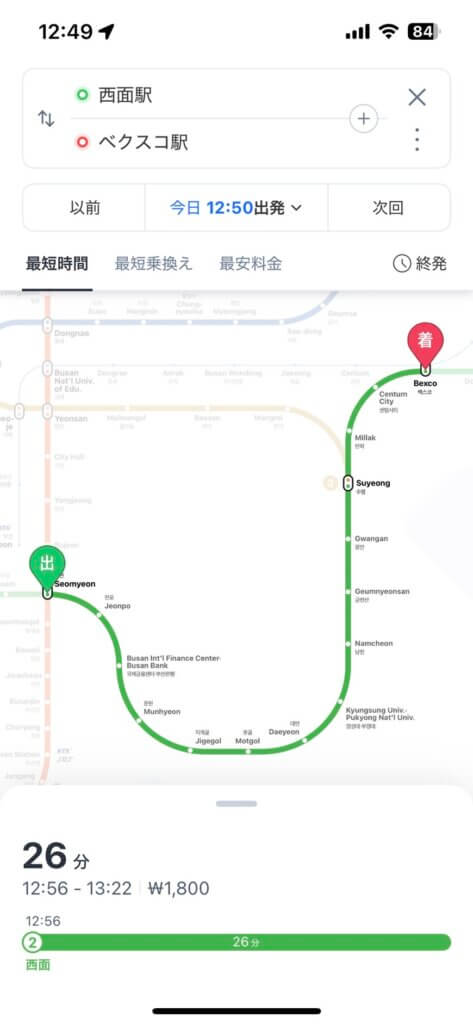
In Korea, Google Maps has functional limitations. Street View imagery may be outdated, and pedestrian route information is sometimes incomplete. Instead, NAVER Map is widely used and offers Japanese-language support. The app provides route search, favorites, and other features comparable to those of Google Maps. The subway route map in particular is intuitive and practical for daily navigation.
Translation Applications
English is not always widely used in all settings. Installing a translation application can facilitate communication when needed. Basic text translation is generally sufficient, and any commonly used app may be adequate. For those installing a new application, NAVER’s Papago is a frequently recommended option.
KakaoTalk
If business communication with local contacts is anticipated, installing KakaoTalk in advance is advisable. The application is widely used in Korea for messaging. During our stay, it was utilized for professional communication. Its interface and functionality are broadly comparable to LINE, and adaptation is generally straightforward.
Places to Visit During Breaks from Work
During a longer stay, it is easy to extend one’s schedule slightly and explore nearby locations between work commitments. Below are several spots we visited during our time in Busan.
There are many additional destinations that could not be included here. Busan places emphasis on cultural and educational initiatives, and the city offers a range of museums, art institutions, and cultural facilities. Visiting such venues can provide both professional inspiration and a broader understanding of the local context during a business stay.
Jagalchi Market: A Large-Scale Seafood Market with Hundreds of Stalls
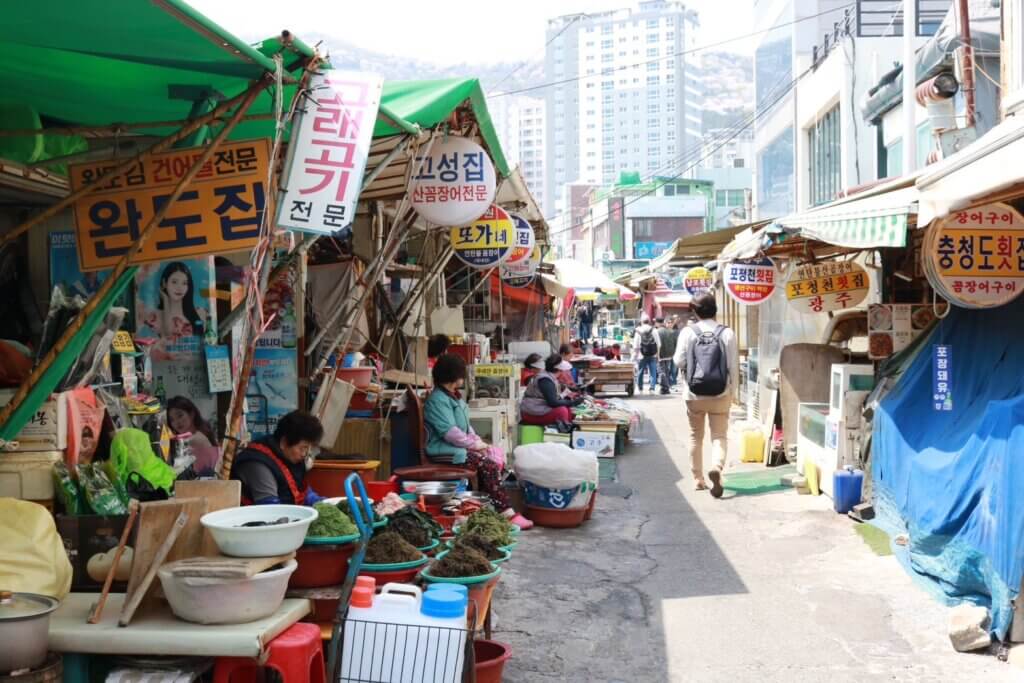
Located in Nampo-dong, Jagalchi Market is regarded as one of the largest seafood markets in Korea. With several hundred vendors operating across retail stalls and wholesale sections, the market presents a concentrated view of Busan’s maritime economy. Many establishments allow visitors to select fresh seafood for on-site preparation.
Walking through the market offers insight into local distribution systems and food culture in a single location. The atmosphere remains active throughout the day, reflecting the city’s longstanding relationship with the sea.
Bosu-dong Book Street: A Historic Alley of Secondhand Bookstores
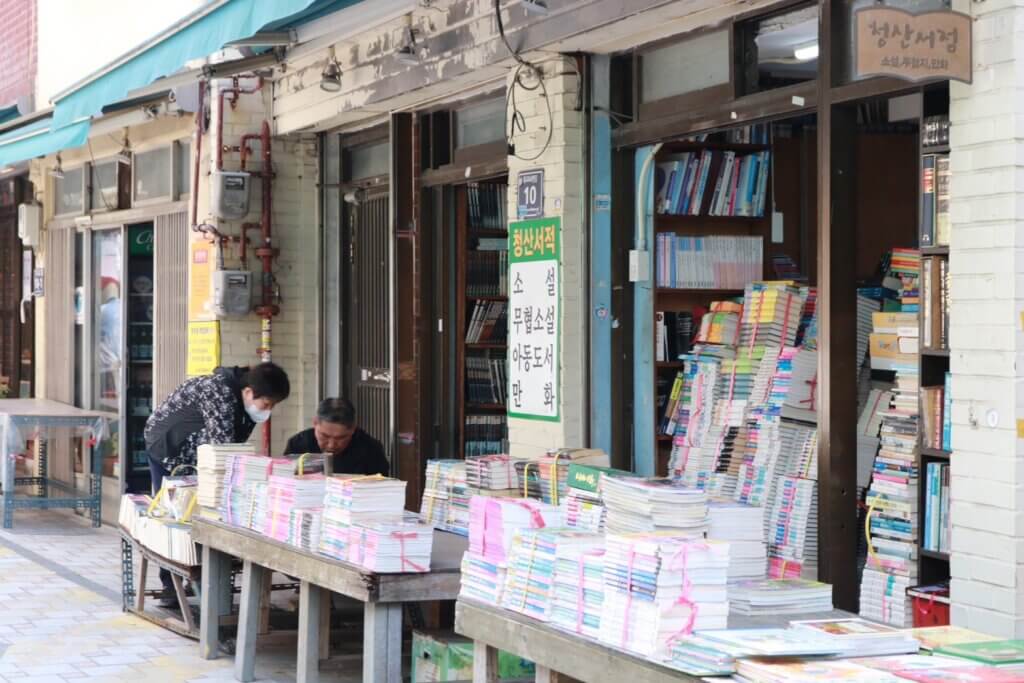
Bosu-dong Book Street traces its origins to the period of the Korean War, when refugees reportedly sold books on cardboard sheets. Over time, students and intellectuals gathered in the area, and used bookstores expanded along the narrow lanes. Today, approximately 40 shops line the stepped alleyways, offering a range of titles from recent publications to rare volumes.
The stone-paved streets and walls of stacked books evoke the atmosphere of traditional book districts once common in Japan. Small cafés and murals are interspersed throughout the area, creating a setting where history and culture intersect. Japanese-language books and comics are also available in some stores.
Gamcheon Culture Village: A Hillside Community Known for Colorful Architecture
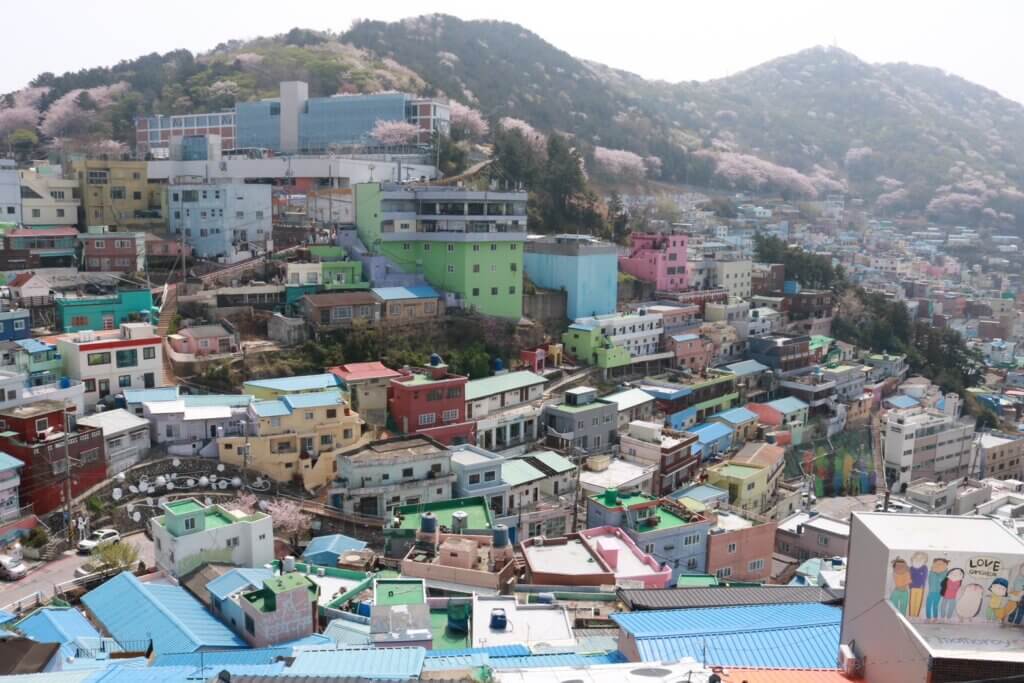
Gamcheon Culture Village is an art-oriented district characterized by brightly colored houses built along a steep hillside. Originally formed as a refugee settlement in the 1950s, the area has evolved through collaboration between local residents and artists. Murals and installations now appear along narrow alleys and stairways.
Beyond its tourism appeal, the district is often referenced as a case study in community-led urban regeneration and public-private collaboration in creative industries.
Songdo: Coastal Views from the Songdo Marine Cable Car
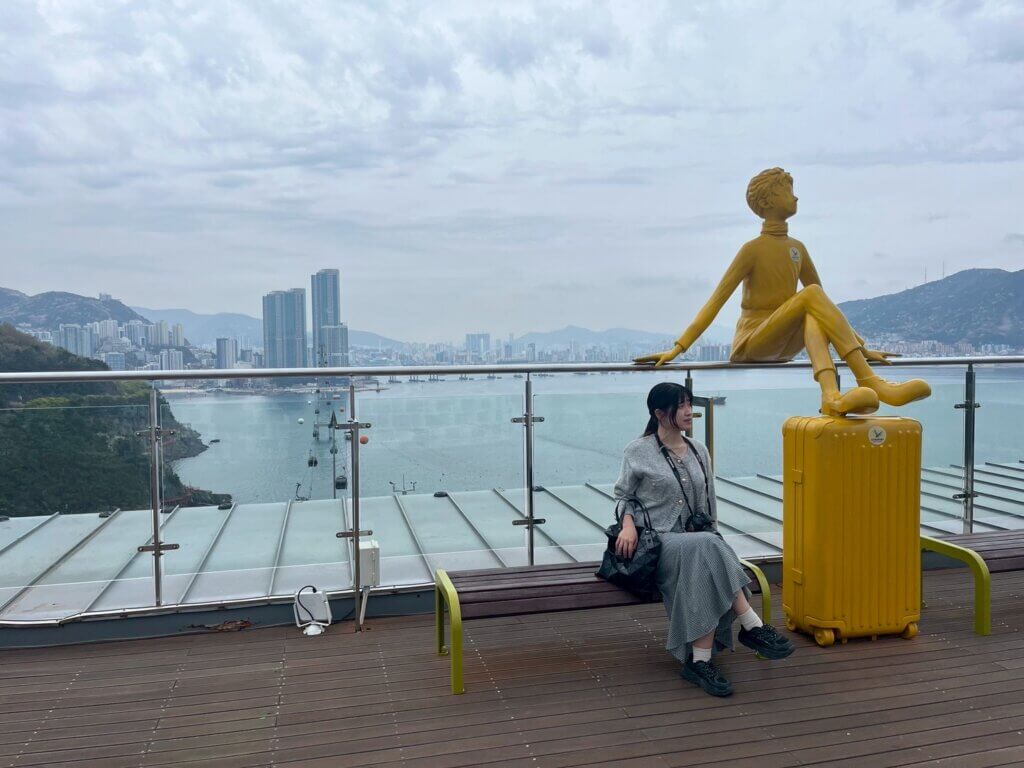
Songdo is located on a peninsula connected to central Busan by bridge. The Songdo Marine Cable Car operates over a route of approximately 1.6 km across the sea. Some gondolas feature transparent floors, offering unobstructed views below.
From the cable car, visitors can observe Busan Port, Yeongdo, and on clear days, distant sea routes. The area also includes a beach, hotels, and restaurants, contributing to its function as a leisure and resort district.
Seokbulsa Temple: Cliff-Carved Stone Buddhas on Geumjeongsan
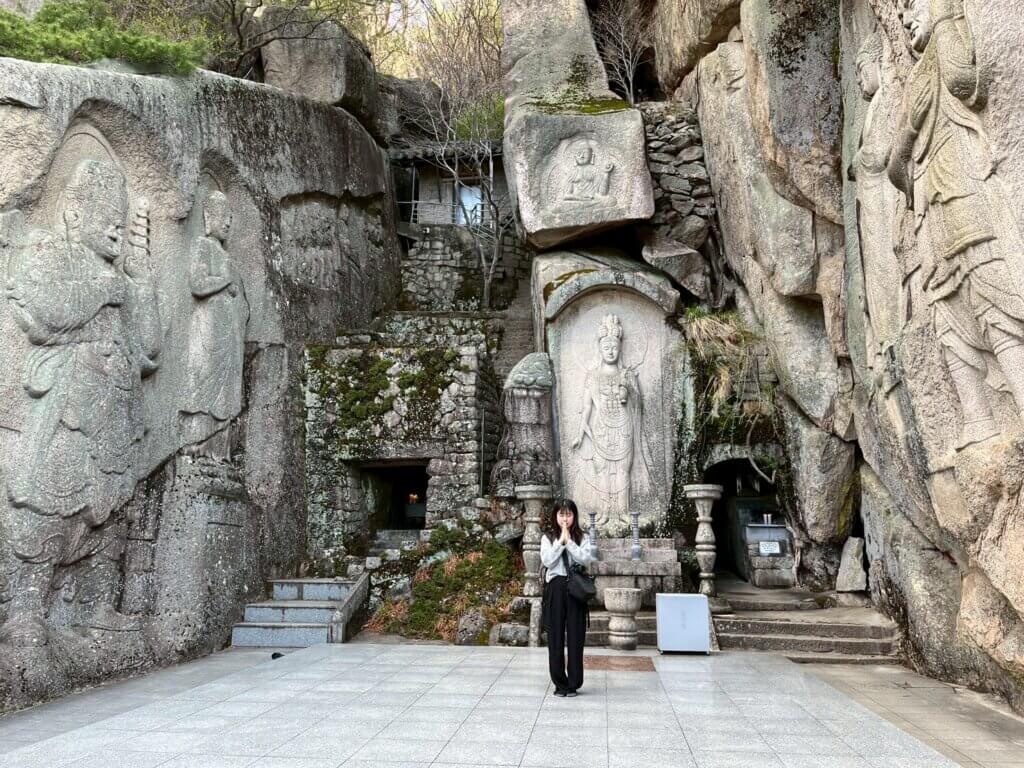
Seokbulsa Temple is situated on the slopes of Geumjeongsan in the northern part of Busan. Founded in the 1930s by the monk Jo Il-hyeon, the temple is known for its stone Buddha figures carved directly into a rock face.
Reaching the site requires ascending a steep mountain path. While access by taxi is possible to a certain point, the final approach involves a significant incline or approximately 45 minutes of walking from the nearest bus stop. The setting offers a quiet and distinctive landscape removed from the urban center.
Samgwangsa Temple
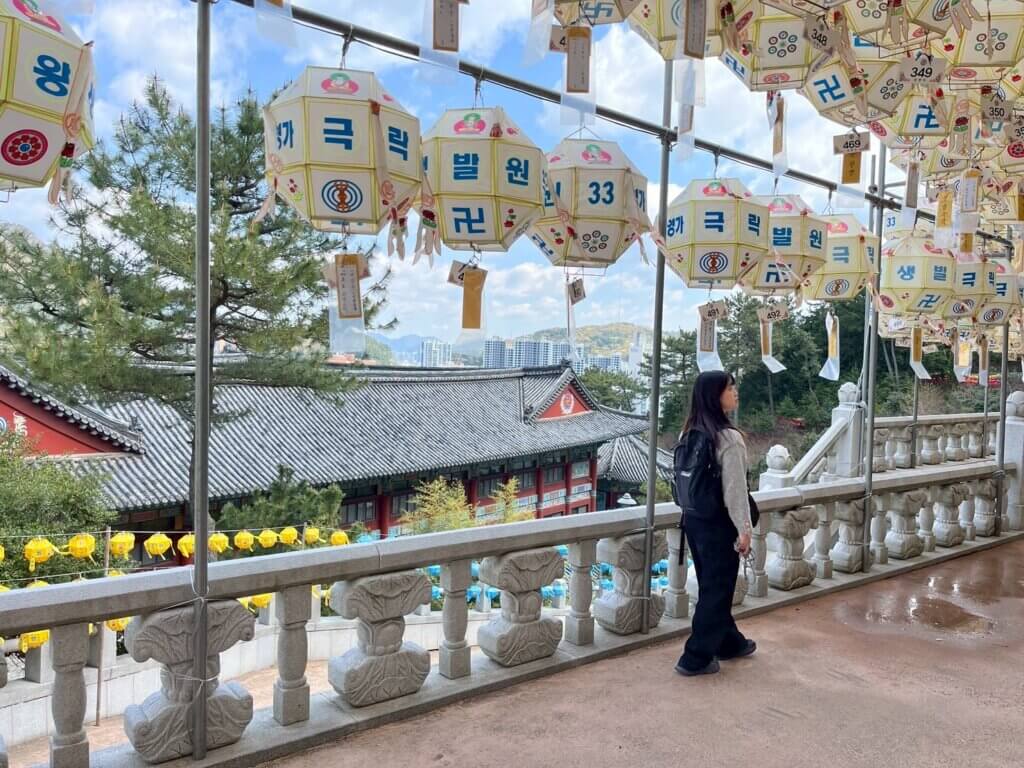
Samgwangsa Temple, located at the foot of Baekyangsan Mountain overlooking Busan, belongs to the Cheontae order of Korean Buddhism. During the celebration of Buddha’s Birthday (the 8th day of the 4th lunar month), the temple holds a lantern festival featuring more than 40,000 lanterns illuminated across the grounds.
Although the temple itself is relatively modern, it attracts significant numbers of worshippers. Temple stay programs are available, offering experiences such as ritual practice, tea ceremonies, and meals within the temple environment. These programs may also be adaptable for group tours or incentive itineraries.
Gyeongju: A Day Trip from Busan to Korea’s Historic Capital
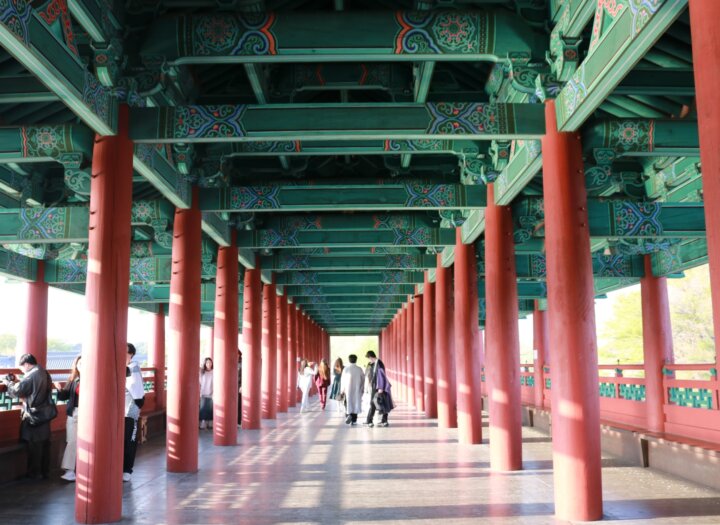
Gyeongju, located approximately 2.5 hours from Busan by KTX or bus, served as the capital of the Silla Kingdom from 57 BCE to 935 CE. The city contains multiple UNESCO World Heritage sites, including Bulguksa Temple, Seokguram Grotto, and Cheomseongdae Observatory.
Within the city center, Daereungwon Tumuli Park preserves ancient burial mounds, and the Gyeongju National Museum presents artifacts from the Silla period. With convenient transport links from Busan, Gyeongju is accessible as a day trip and offers value for cultural exploration alongside business visits.
Why Busan Is Well Suited for Business and Workation
Although many Japanese people are familiar with the name Busan, fewer may have a detailed understanding of the city beyond its reputation as a tourist destination. Travel-related content is widely available online, including numerous videos. However, information on Busan from a business perspective is comparatively limited. Based on our stay and interviews, we have organized the key points into four areas.
1) Proximity to Japan and Active Engagement with Japanese Partners, Including Startup Support
Despite the complex historical background, Busan and Japan have maintained close geographic and economic ties. During our discussions at the Busan Workation Center, representatives emphasized their intention to further strengthen relationships with Japanese partners. The city is also placing increasing focus on startup support and innovation ecosystems.
In addition, the Busan North Port Redevelopment Project is progressing, and significant changes to the waterfront landscape are anticipated in the coming years. These developments may create new business opportunities as the area evolves.
2) No Time Difference, Favorable Climate, and Cost Efficiency
Busan operates in the same time zone as Japan, which facilitates coordination with Japanese companies. The climate is generally mild, contributing to comfortable living conditions during extended stays. Living costs are comparatively moderate, making short- to medium-term stays a realistic option for exploratory business visits.
Daily necessities are readily available, and the urban infrastructure supports both work and everyday life. Even a brief stay of several days can provide practical insight into the feasibility of longer-term engagement.
3) Exposure to Urban Innovation and Evolving City Systems
Busan demonstrates elements of contemporary urban development. Examples include dedicated BRT lanes, widespread adoption of digital ordering and payment systems in retail, and reduced use of plastic shopping bags in favor of paper alternatives. Electric vehicles from domestic manufacturers such as Hyundai and Kia are also visible throughout the city.
Visitors who have not returned since before the COVID-19 pandemic may notice changes in public cleanliness, storefront design, and service systems. Observing these developments without preconceived notions can provide useful perspectives and potential inspiration for business planning.
4) Opportunities for Full-Scale Business Expansion Across Multiple Industries
Busan has long served as a transportation hub and industrial center. In addition to traditional industries such as automotive components, shipbuilding, and marine plant engineering, growth sectors include IT, finance, tourism, film, and content industries.
The city benefits from direct international flight connections, the presence of Busan Port as a major global logistics hub, developed MICE infrastructure, and active human exchange through tourism and business travel. Economic zones and investment incentives are also in place. Taken together, these factors suggest expanding possibilities for Japanese companies seeking to engage with the Korean market.
Bonus Feature
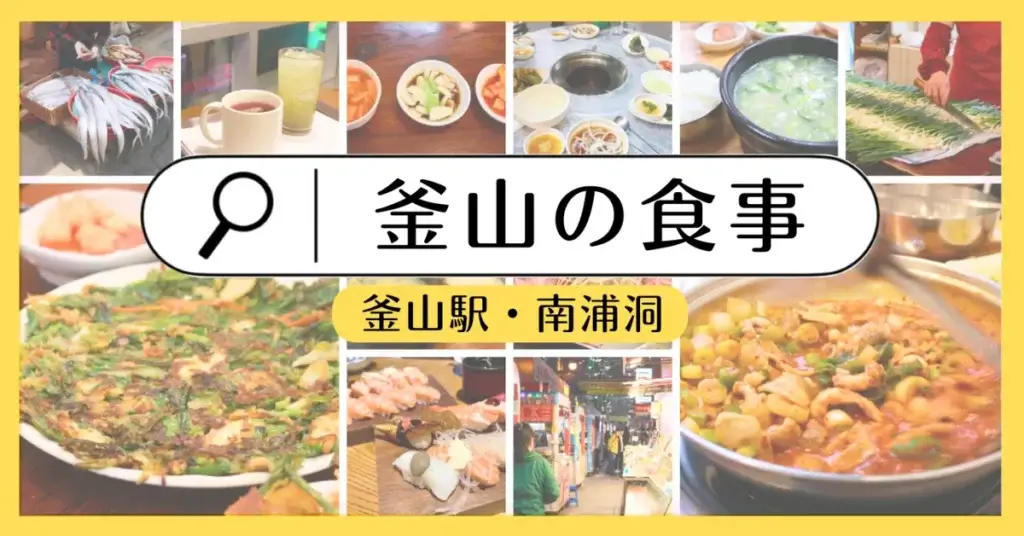
A brief record of the Editor-in-Chief’s food explorations in Busan.
https://note.com/urumari55/n/na9226b829a8d

-
Advance Ticket Sales for GREEN×EXPO 2027 to Begin on March 19
-
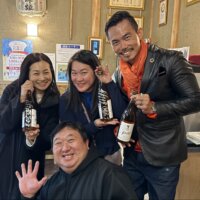
Singapore and Tochigi Connected Through Sake: Exploring the Potential of MICE in Regional Revitalization Through a Trade Mission