[Report] The appeal of MICE in Mie Prefecture lies in “mobility, cuisine, and experiences” – Strengths of Mie MICE revealed through a trial tour organized to develop new model tours
In December, I joined a trial tour conducted as part of Mie Prefecture’s “Model Course Development Project for Corporate MI Programs.” Within the prefectural government, the International Tourism Promotion Division has staff dedicated to MICE and high value-added tourism, and the prefecture is making a concerted effort to attract MICE events. This article introduces the strengths of MICE in Mie from three perspectives: mobility, food, and experiential activities.
Once, Mie was one of Japan’s leading destinations
「伊勢参宮 大神宮へも ちょっと寄り」
“Ise pilgrimage—just dropping by the Grand Shrine on the way.”
From the mid-Edo period onward, enthusiasm for the Ise pilgrimage spread so widely that, at its peak, historical records state that some 4.6 million people from all over Japan – not only from Edo – made the journey to Ise in less than six months. Even today, around 7.5 million visitors (in 2024) visit Ise Jingu’s Naiku (Inner Shrines) and Geku (Outer Shrines) each year. Mie Prefecture, particularly the Ise-Shima region, has long flourished as “Umasikuni,” literally “the beautiful land.” With its rich history and culture, scenic landscapes, and abundance of delicious local cuisine, it offers no shortage of options for leisure travel. In the past, Mie was one of Japan’s leading “destinations,” in the modern sense of the word.
So how does it measure up today as a destination for MICE?
Exploring the appeal of Ise, Shima, and Toba from the three perspectives of “mobility, cuisine, and fulfillment”
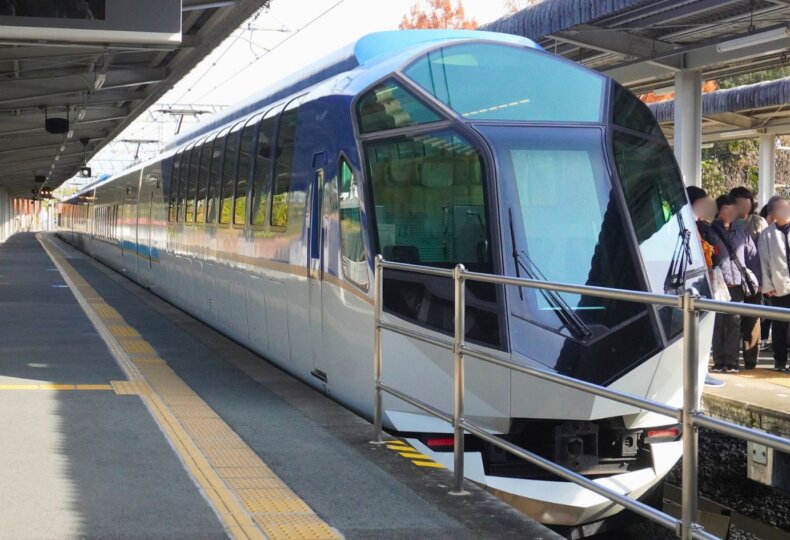
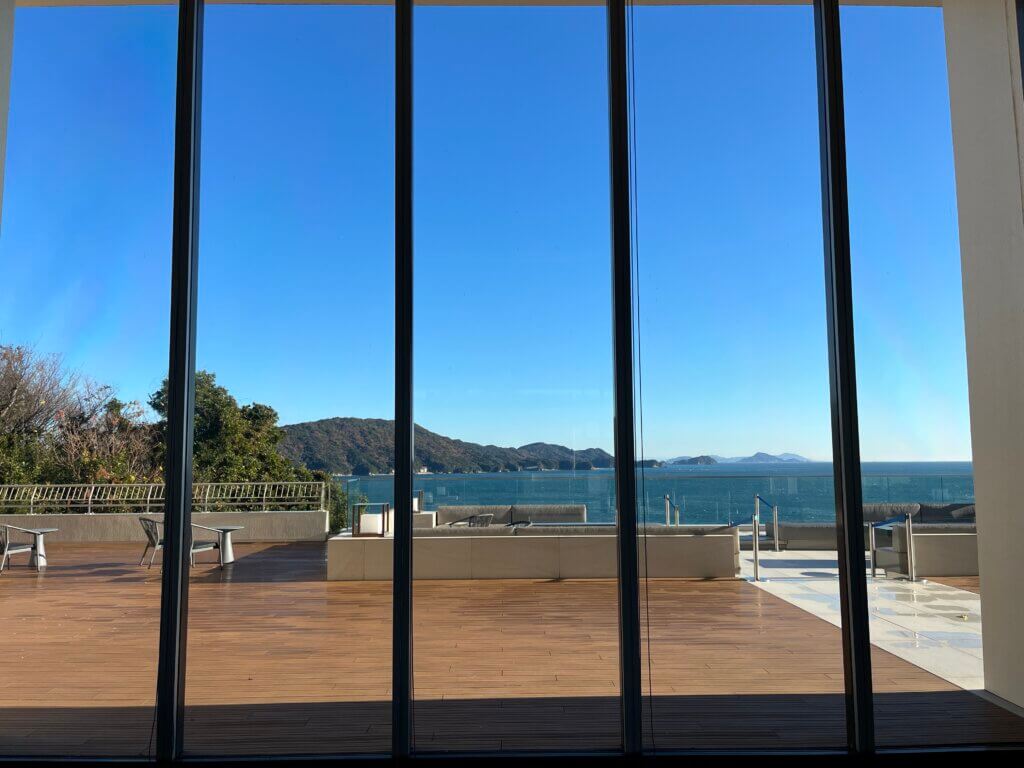
This itinerary was a one-night, two-day program. On the first day, we traveled from Kintetsu Nagoya Station to Kashikojima aboard the Kintetsu Limited Express Shimakaze, then enjoyed lunch, a sightseeing cruise, and a hands-on pearl experience before staying overnight at Toba Hotel International. On the second day, we visited Mikimoto Pearl Island, paid our respects at Ise Jingu’s Naiku (Inner Shrines) and then Geku (Outer Shrines), and took a stroll through the Okage Yokocho district.
In this article, rather than introducing the trip in simple chronological order, we explore its appeal through the three lenses of “mobility, cuisine, and fulfillment.”
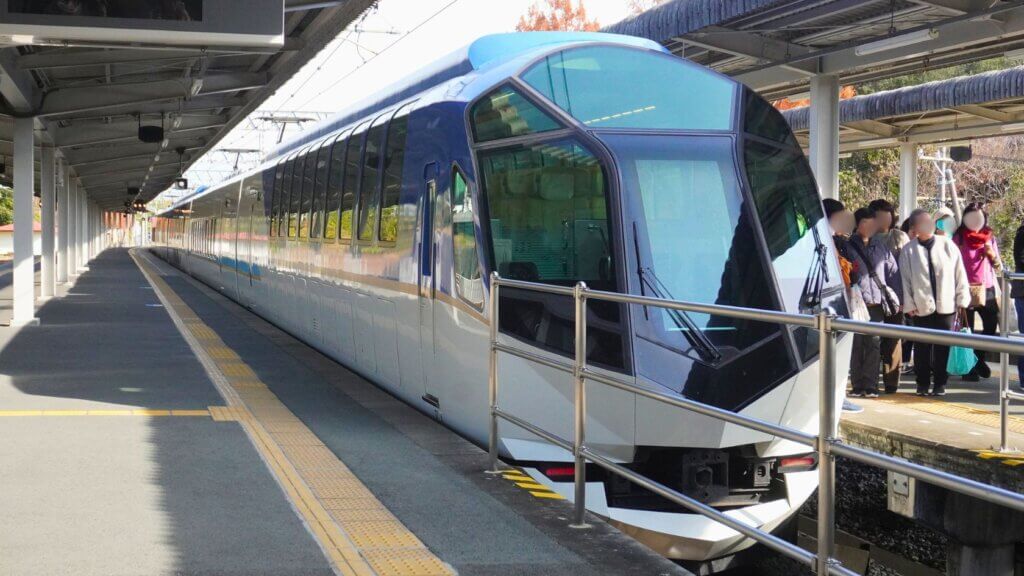
(1) “Movement” – Rich transport options that let you focus on the journey itself
Mie Prefecture stretches a long way from north to south, with both mountains and sea and a landscape full of variety. For public transportation, JR and Kintetsu are the most convenient options. The journey from Nagoya to Kashikojima takes about two hours. The train set includes a café car, all seats are reserved, and it offers large reclining seats with Green Car–style relaxation features, as well as a wide range of seating types such as Japanese- and Western-style private rooms and semi-private salon seats. Services run not only from Nagoya but also from Osaka and Kyoto, allowing for a very comfortable, transfer-free travel experience from these major cities.
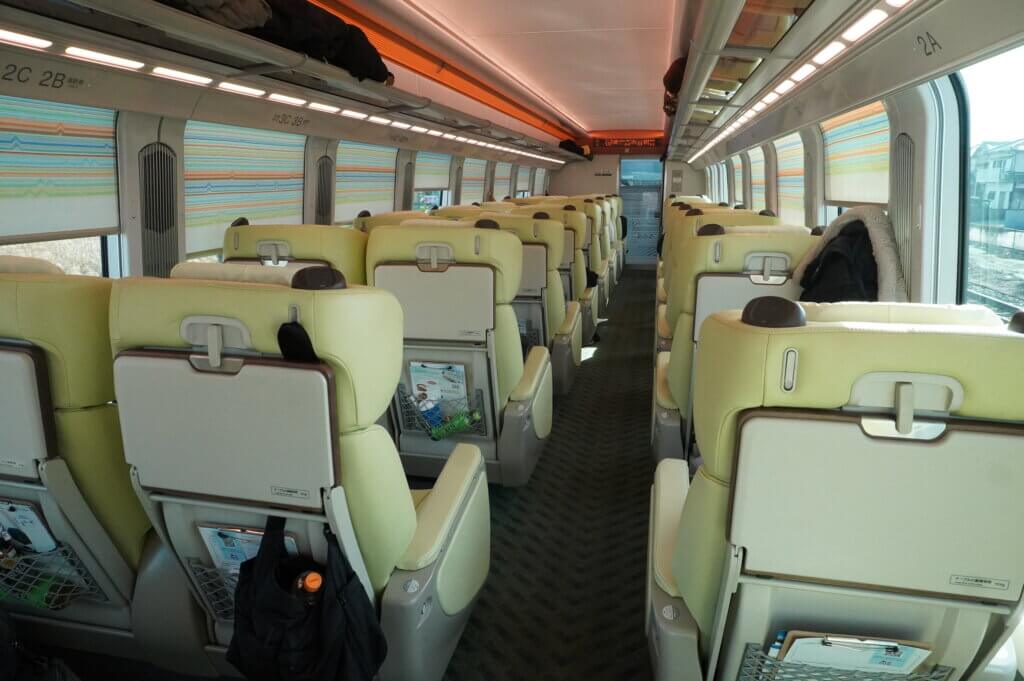
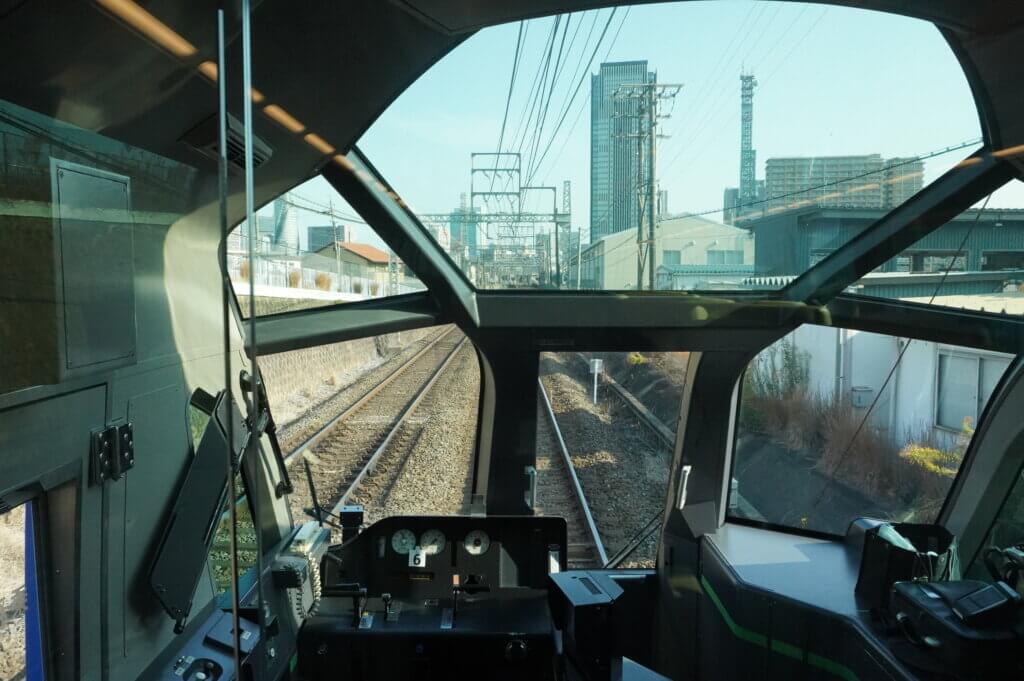
It also has strong potential for use in incentive tours and for post-MICE sightseeing following events held in cities such as Kyoto and Osaka. With one of the highest levels of comfort among premium trains in Japan, the luxurious rolling stock can fully meet the transport needs of VIP guests.
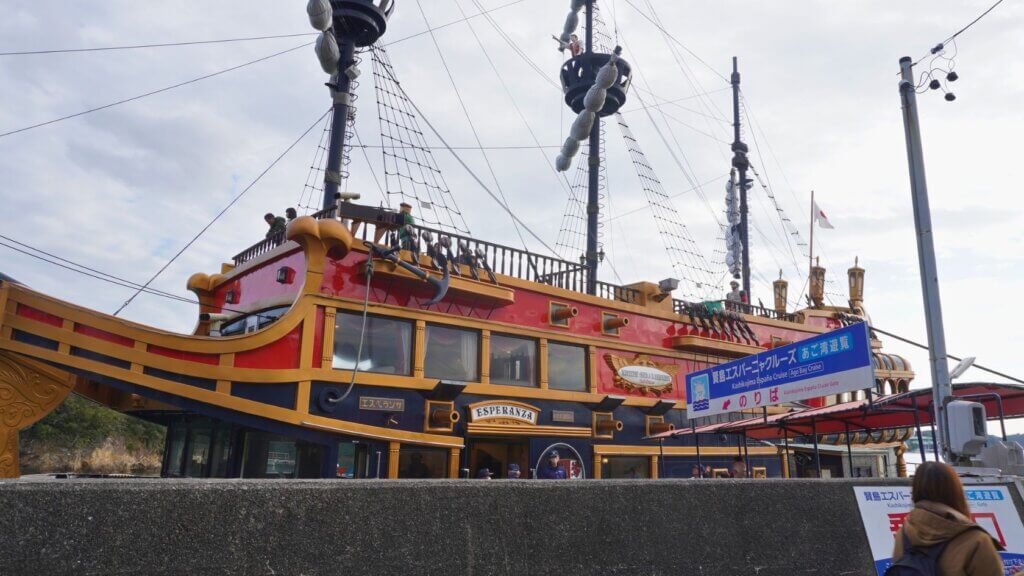
On this tour, we boarded the Kashikojima Espana Cruise for a sightseeing cruise on Ago Bay. The pier is a two-minute walk from Kintetsu Kashikojima Station. Modeled after a carrack from the Age of Discovery, this sightseeing vessel has a passenger capacity of 250 and a gross tonnage of 166 tons, and takes guests on a cruise of just under an hour. Ago Bay is known both for its intricate ria coastline dotted with countless islands and for its thriving pearl farming industry, so the views from the ship are beautiful at any time of day.
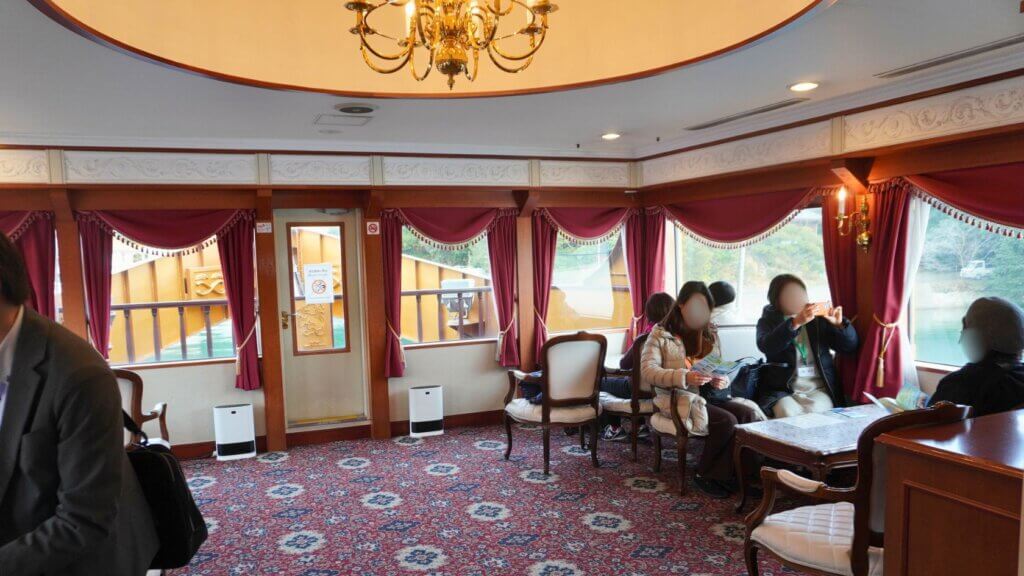
On the ship’s second deck there is a special room that can be reserved for private use. It can accommodate up to 20 people, yet the fee is a reasonable 10,000 yen. Because it allows groups to avoid mixing with other passengers, it is a convenient option for MICE use. In fact, during the G7 Transport Ministers’ Meeting in Mie and Ise-Shima in 2023, transport ministers from the participating countries also boarded this cruise.
In addition, there are other boat-based options such as charter cruises on smaller vessels and the Ise Bay Ferry, which connects Aichi Prefecture with Toba.
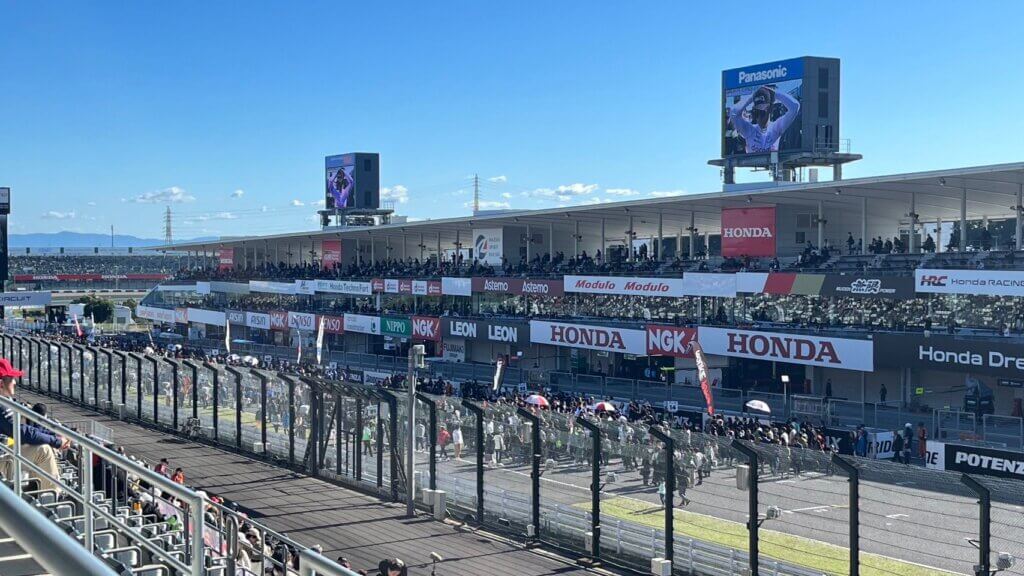
Although we did not visit them on this tour, Mie also offers a wide range of “movement” options: Suzuka Circuit, a holy ground for motorsports that hosts events such as the FIA Formula 1 Japanese Grand Prix and the Suzuka 8 Hours Endurance Road Race; helicopter sightseeing flights over the Ise-Shima area; and scenic drives along the Ise-Shima Skyline and the Pearl Road. Walking the Kumano Kodo pilgrimage routes is itself a deeply experiential form of “movement.” When planning MICE in Mie, there is almost no limit to how particular you can be about transportation and modes of travel.
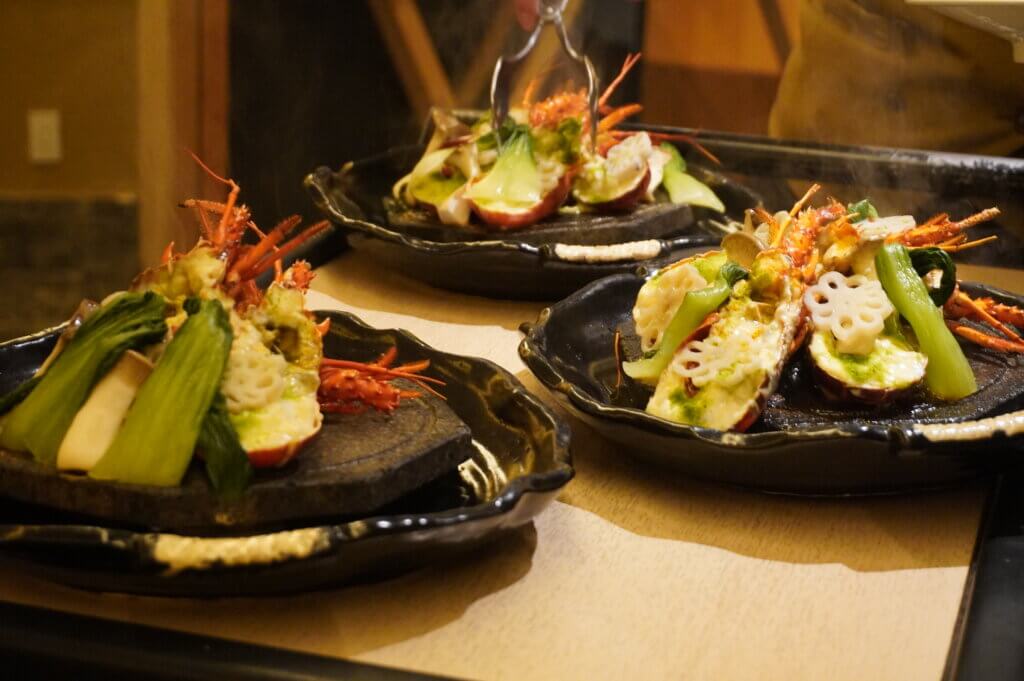
(2) “Food” — The potential of a historic culinary land: more than just Matsusaka beef and Ise lobster
“Food” is another major strength of MICE in Mie. The prefecture boasts a rich food culture in which ingredients from the sea coexist with produce from mountain and rural areas, and it actively promotes gastronomic tourism that highlights local cuisine and food experiences. Shima was once one of the Miketsukuni — along with Wakasa and Awaji — regions that supplied special foodstuffs to the Imperial Court. From ancient times through the Heian period, these lands delivered marine products and other prized ingredients to the Imperial Household and court nobles.
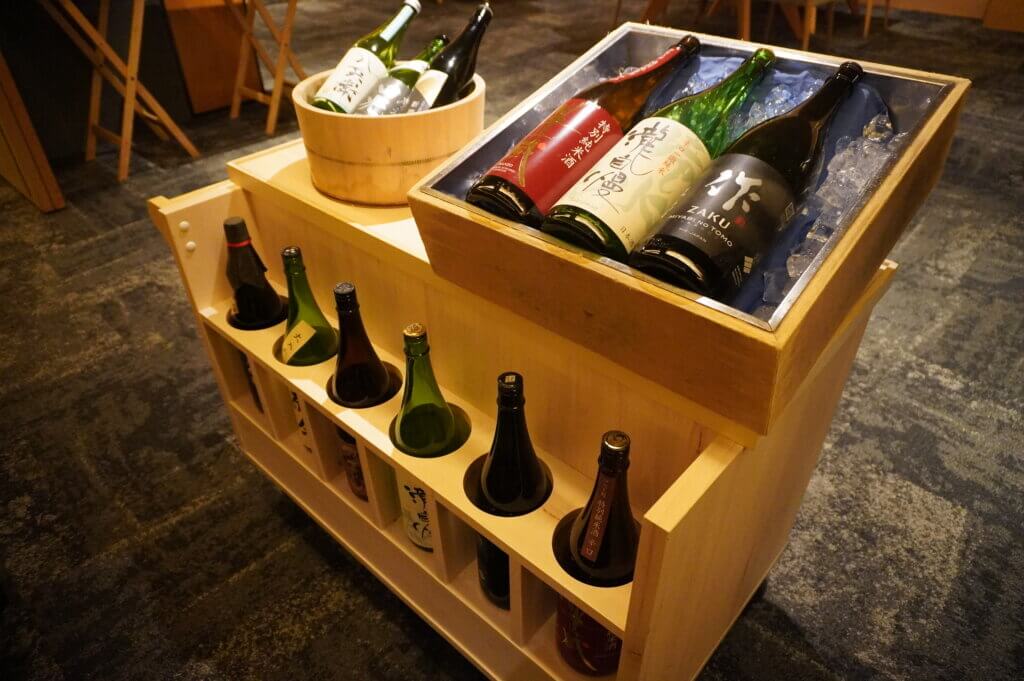
Beyond well-known specialties such as Matsusaka beef, Ise lobster, Ise tea, and Akafuku, Mie offers an abundance of local dishes: Ise udon, tekone-zushi, mehari-zushi, fresh seafood such as oysters and sea bream, Iga beef, eel and gyoza in Tsu, and a wide variety of sweets—the line-up is far richer than you could count on both hands. Thanks to Mie’s abundant water resources and a climate well suited to rice cultivation, the prefecture is also home to many sake breweries, some of which produce labels that have earned high acclaim.
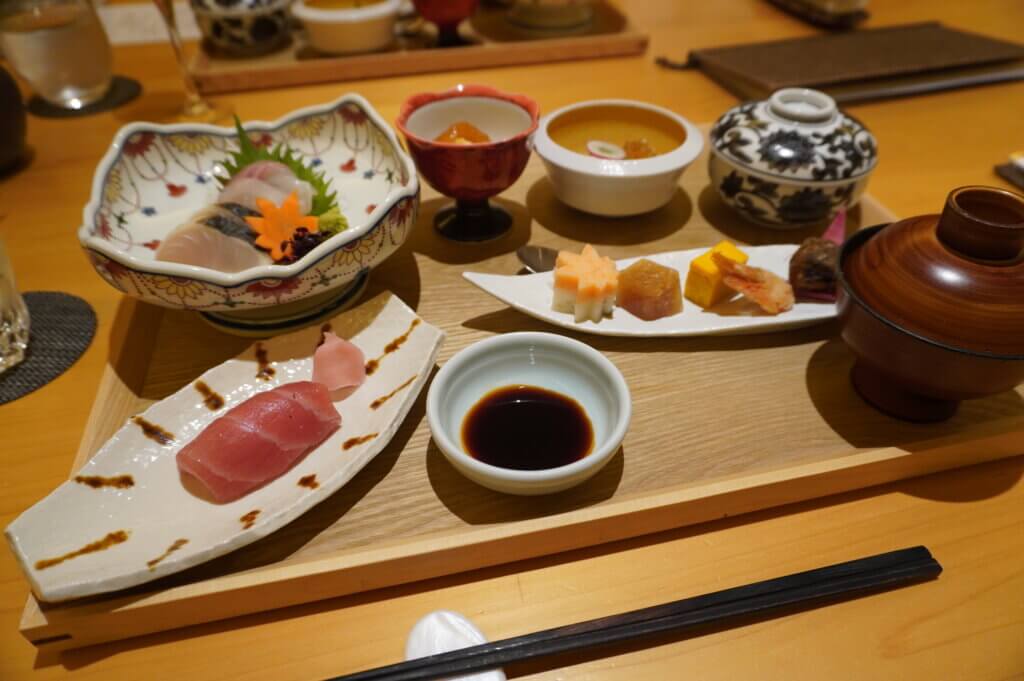
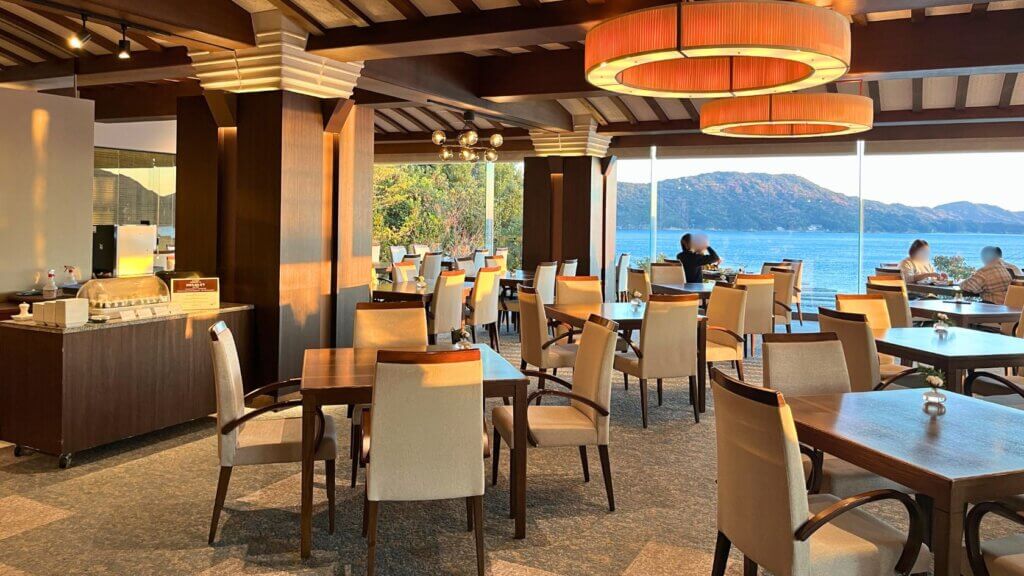
We were also able to fully enjoy Mie’s culinary offerings on this tour. We had a lunch course at the restaurant at NEMU RESORT, dinner at the Japanese restaurant in Toba Hotel International, and a meal at Kappo Sushi Katsura Geku near Iseshi Station—all of which were highly satisfying in terms of both flavor and service. Diners can savor a beautifully presented array of dishes, each in modest portions, that makes you want to try a little bit of everything.
And of course, it is not only about luxurious full-course meals. In and around Okage Yokocho, there is also a wealth of casual foods that are easy to grab on the go and perfect for sharing in a group. When it comes to the all-important “food” aspect of MICE, Mie’s potential is extremely high.


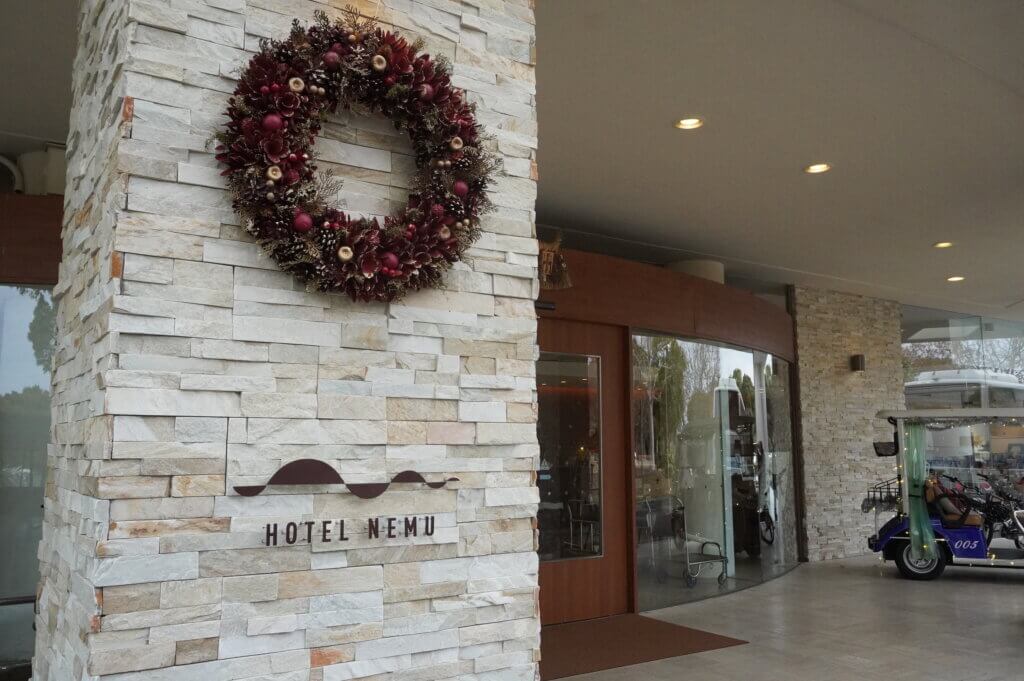
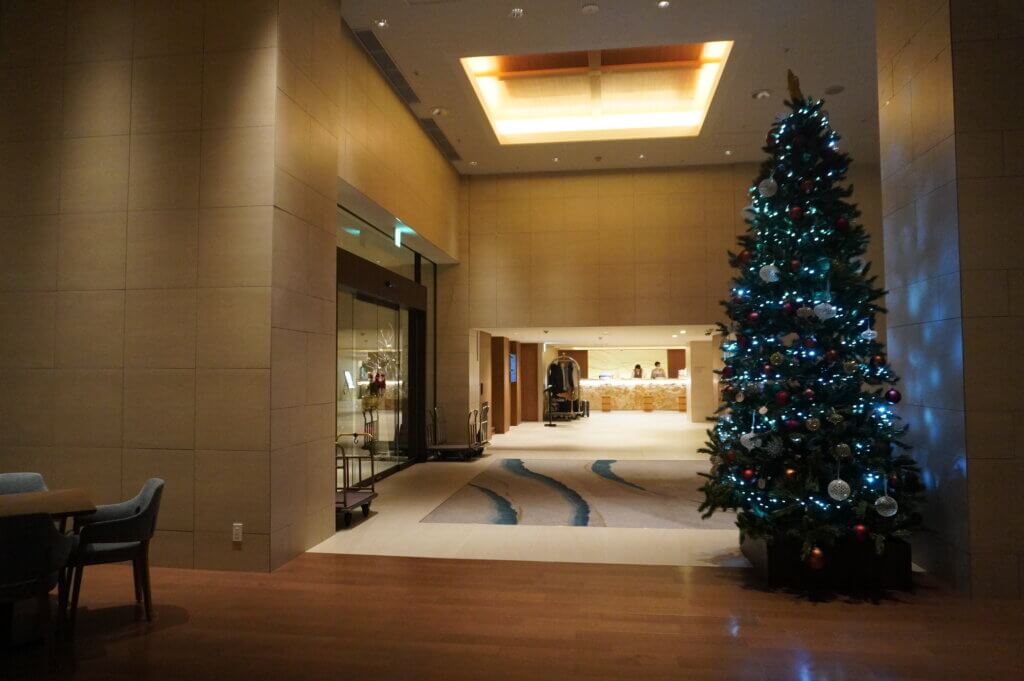
Both NEMU RESORT and Toba Hotel International are equipped with banquet halls and ballrooms. It is also reassuring that many facilities in this area have a proven track record of hosting VIPs from around the world.
(3) “Fulfillment” — Enriching time created through meaningful experiences
For a destination to leave a lasting impression on MICE participants, “experiences” are essential. So what kinds of experiences are unique to Mie?
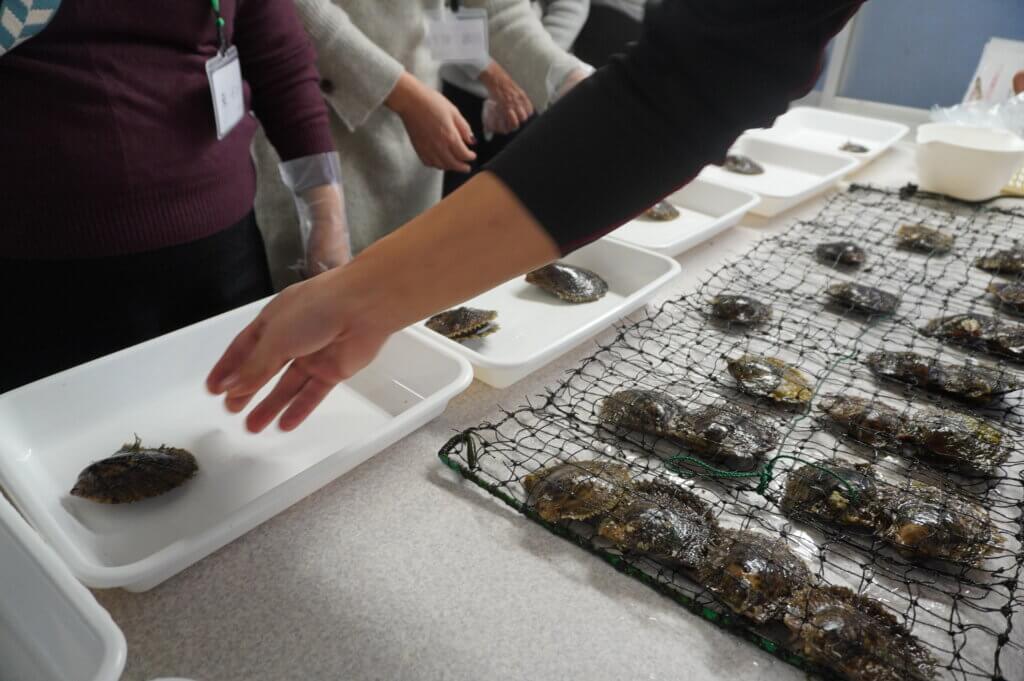
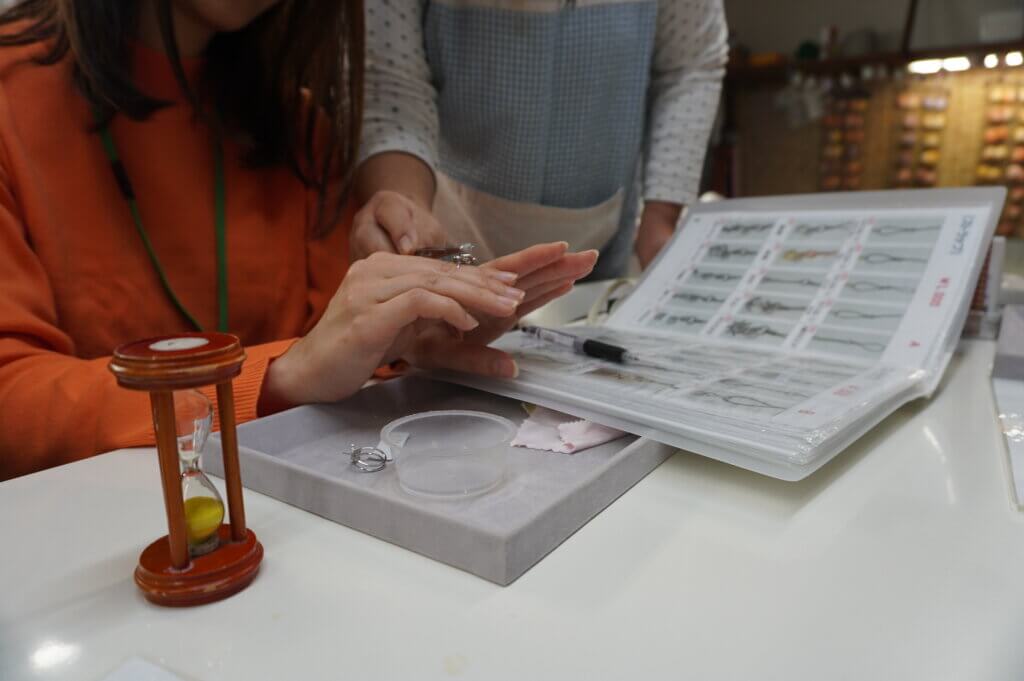
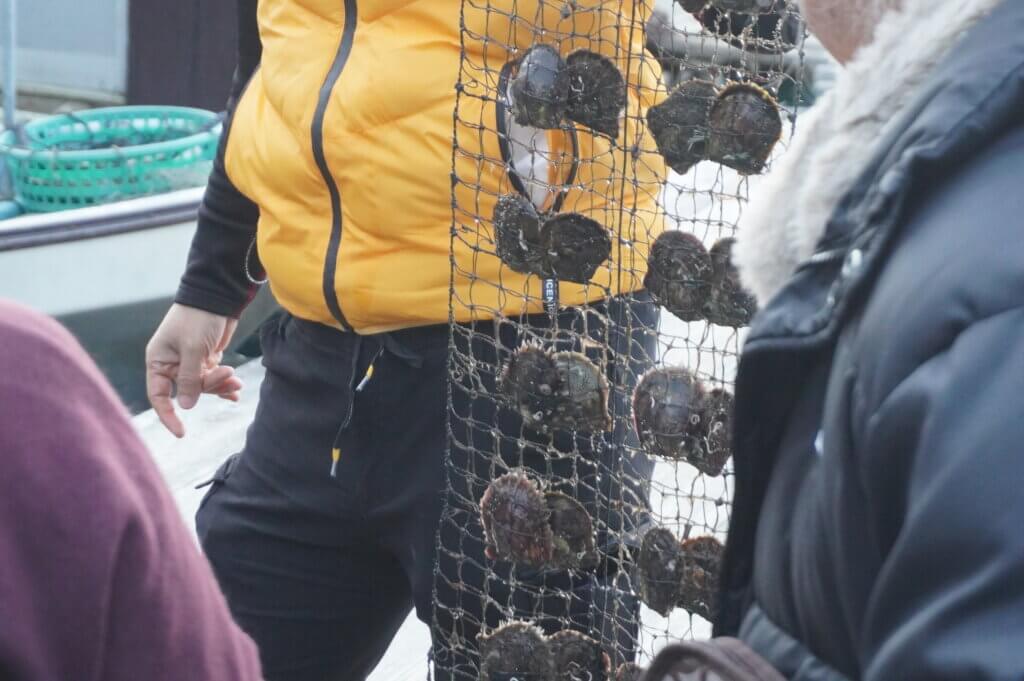
On this tour, for example, we visited “Shinju no Sato,” a pearl workshop where participants can experience extracting a pearl and making their own accessory. You select your own oyster and remove the pearl inside — an exciting, almost game-like moment that feels a bit like opening a mystery capsule. Polishing your own pearl creates a sense of personal attachment, and you can then choose your accessory parts and have them assembled on the spot. Learning about pearls throughout the process also brings moments of surprise and discovery.

Even the classic experience of visiting Ise Jingu becomes something unique when you follow the traditional order of visiting Geku (Outer Shrines) first and then Naiku (Inner Shrines). At the Kaguraden hall, it is also possible, if arrangements are made, to take part in special rituals such as sacred kagura performances and food offerings (okagura and omiketsu), creating an even more memorable experience.
There is no shortage of other options either: Iga-style ninja experiences, World Heritage pilgrimage walks along the Kumano Kodo (Iseji route), watching live ama diver demonstrations at Mikimoto Pearl Island, and circuit cruises at Suzuka Circuit where you can drive your own car on the track, to name just a few.

Designing “personal experiences” to take home — The growing potential of MICE in Mie
The key strength of MICE in Mie lies not so much in the sheer number of attractions, but in how easy it is to weave them together into coherent experiences. Even with a short stay, it is practically straightforward to fine-tune the tone of a program to match participants’ profiles and objectives, and to build an itinerary with a clear sense of unity.
Moreover, by incorporating elements that encourage participants to move around and verify things for themselves, you not only raise satisfaction levels but also deepen how those memories are imprinted. With careful design of the combinations of “movement, cuisine, and fulfillment,” MICE programs in Mie can offer participants “personal experiences” that feel truly their own to take home.
Related Articles:Tourism

-
【January 2026】Notable Trade Shows and Events in Japan
-
[Overseas Coverage] Visiting a Japanese Fan Exchange Event in Lyon, France That Attracted 40,000 Visitors Over Two Days — What a Japanese Exchange Student Learned About How Japan Is Seen from France