What Types of Companies and Organizations Make Up the MICE Industry? A Guide to 24 Business Categories
“The MICE industry sounds interesting, but what kinds of companies are actually involved?”
For those with this question, this article provides an overview of the types of companies and organizations that operate within the MICE sector.
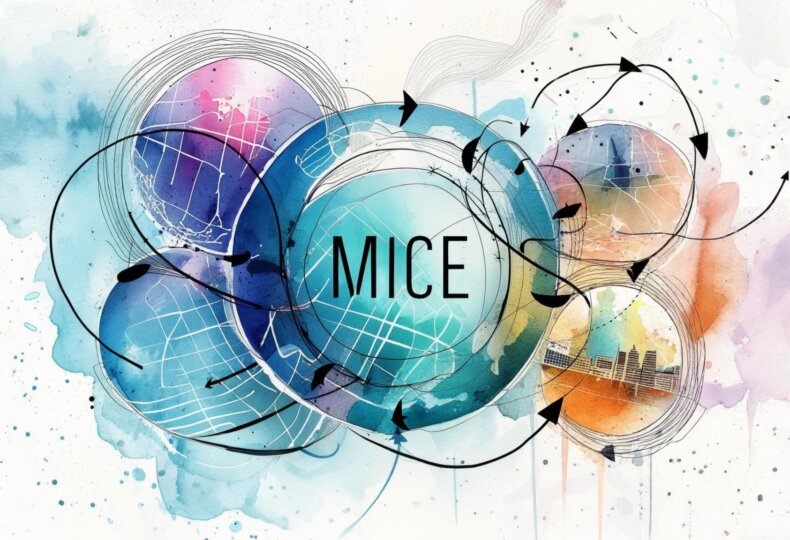
MICE is an acronym for Meeting (corporate and organizational meetings), Incentive Travel (reward and training travel), Convention (international conferences), and Exhibition/Event (trade shows and events). MICE activities are not delivered by a single company; rather, they are realized through collaboration among a wide range of specialized professionals.
By reading this article, you will gain an understanding of the overall structure of the MICE ecosystem and the diverse roles within it, offering insight into potential career pathways in the industry.
Companies and Organizations That Plan and Organize MICE Events
Within the MICE ecosystem, these entities function as the “designers” of events — initiating concepts and bringing them to life.
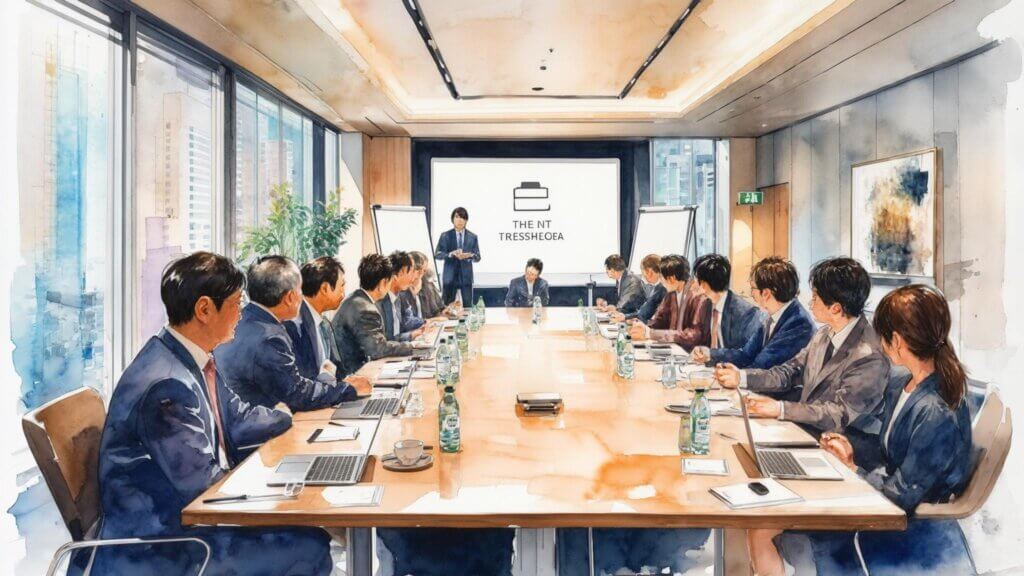
PCOs: Professionals in Congress and Convention Management
A PCO (Professional Congress Organizer) is a specialized organization responsible for managing conferences, particularly large-scale and complex events such as international congresses and academic meetings.
Their primary clients include academic societies, professional associations in fields such as medicine and engineering, and government institutions. While these clients are experts in their respective subject matter, they are not necessarily specialists in event management. PCOs therefore act as strategic partners, overseeing all operational aspects of an event — from destination selection and bid management to budgeting, registration systems, marketing, and on-site execution.
The role of a PCO extends beyond logistical coordination. It involves understanding the objectives of a conference and developing strategies to achieve successful outcomes. From the bidding stage onward, PCOs work closely with clients to design and deliver effective events. This role requires a high level of expertise, including project management, financial planning, marketing, and negotiation skills.
Exhibition Organizers: Creating Platforms for Business Opportunities
Exhibition organizers are responsible for creating platforms where companies can showcase their products and services and connect with potential clients and partners.
These events range from large-scale public exhibitions — such as technology expos and game shows — to specialized trade fairs targeting industry professionals, as well as private shows hosted by individual companies for selected clients.
Their business model typically relies on exhibition fees paid by participating companies, and in some cases, admission fees from visitors. The success of an exhibition depends on attracting both high-quality exhibitors and a strong audience of visitors with clear purchasing intent.
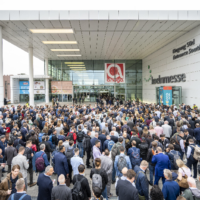
Globally, some exhibitions attract over 100,000 attendees, functioning as major industry or regional events that contribute significantly to local economies.

Travel Agencies (Planning and Organizing): Specialists in Incentive Travel
Distinct from general leisure travel, these travel agencies specialize in planning and delivering incentive travel programs, corresponding to the “I” in MICE. Incentive travel refers to reward-based trips offered by companies to high-performing employees, sales partners, or other stakeholders, with the primary objective of enhancing motivation.
Such programs typically include stays at premium hotels, exclusive activities not normally accessible to the public, and formal award ceremonies. Through these experiences, companies aim to strengthen employee engagement and encourage further performance.
In recent years, the objectives of incentive travel have expanded to include more strategic elements. In addition to rewards, programs increasingly incorporate team building and relationship development with business partners. For example, itineraries may include visits to overseas headquarters or site inspections of advanced production facilities, positioning these programs as investments in organizational growth. As a result, planners in this field are expected to possess not only travel expertise but also an understanding of corporate culture and human resource development.
Beyond incentive travel, these agencies also support a wide range of business travel needs, including training programs, corporate retreats, company events, and technical visits, contributing broadly to the MICE ecosystem.
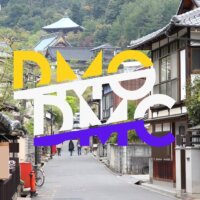
DMC: Local Experts Maximizing Destination Value
A DMC (Destination Management Company) is a locally based professional organization with in-depth expertise in a specific destination. Through the design of cultural experiences, specialized tours, and logistical arrangements such as transportation, DMCs provide participants with distinctive, location-specific experiences.
While PCOs oversee the overall management of conferences, DMCs focus on maximizing the appeal of the destination itself. Unlike PCOs, which can operate globally, DMCs are rooted in specific regions. They work in collaboration with PCOs and corporate event planners to translate program concepts into experiences that reflect the unique characteristics of the location.
A related term is DMO (Destination Management/Marketing Organization), which refers to entities — often structured as public-private partnerships — that promote regional tourism and support the development of sustainable destinations.
Corporate Event Teams: Planning and Managing In-House Events
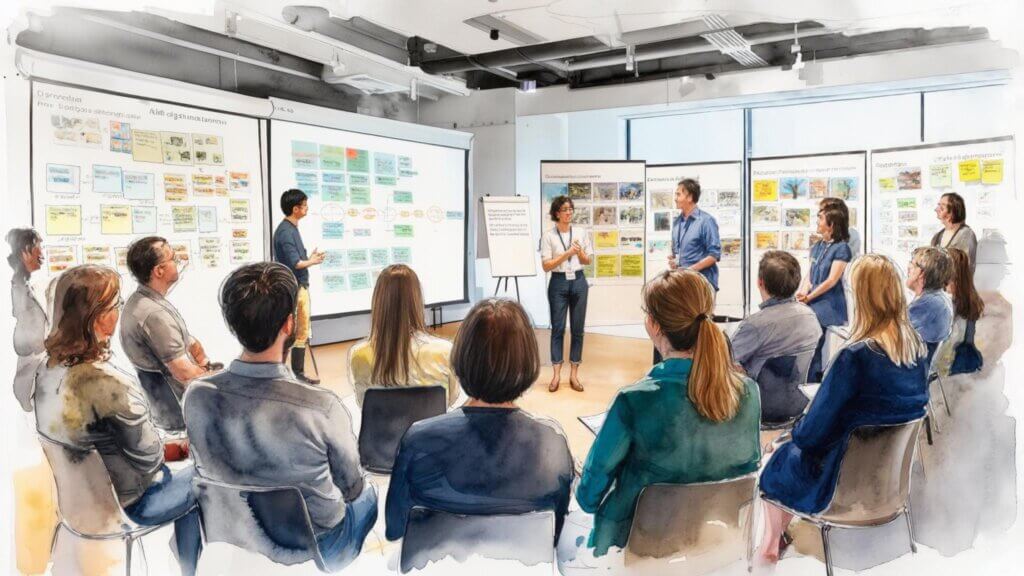
Many large corporations have dedicated departments responsible for planning and managing a wide range of MICE-related activities organized by the company itself. Depending on the organization, these functions are often handled by departments such as general affairs or corporate communications.
The scope of these events is broad, ranging from internal activities — such as shareholder meetings, company-wide kickoff meetings, and training programs — to external-facing events, including product launches, customer seminars, press conferences, and corporate anniversary events.
Internal teams typically lead these projects, overseeing everything from concept development and budgeting to coordination with external partners such as PCOs and event production companies. Their role is central to ensuring the successful execution of each event.
Academic Societies and Associations: Organizers of Conventions and Congresses
Academic societies and professional associations — such as those in the fields of medicine and engineering — are key organizers of “C” in MICE: conventions, including international conferences and academic congresses.
Their primary objective is to provide platforms where members can present research findings, share knowledge, and build professional networks. Annual congresses are often the most significant events for these organizations.
For many MICE-related service providers, such associations represent important clients, and responding to their needs serves as a starting point for a wide range of business opportunities within the industry.
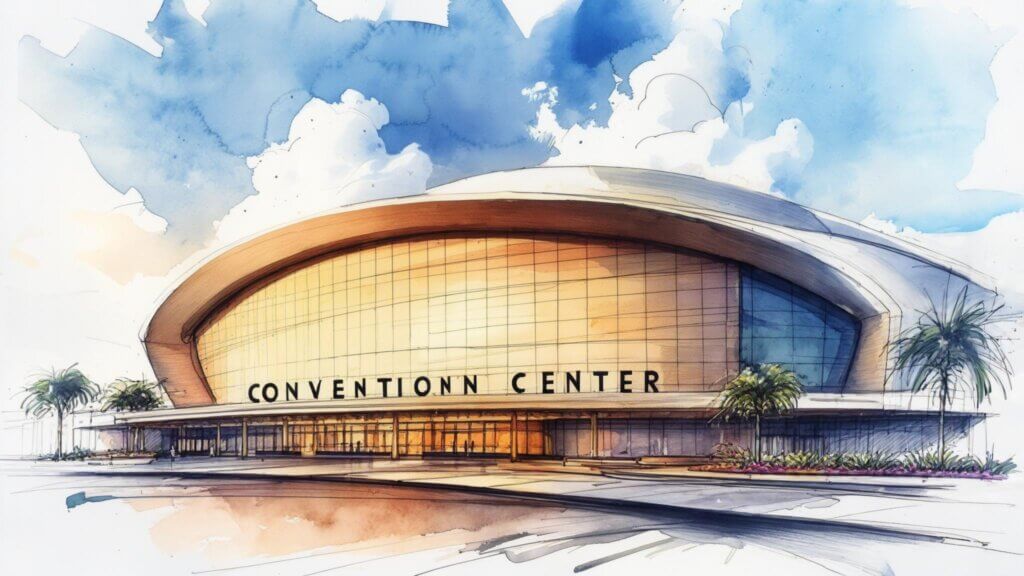
Venues for MICE Events
From physical venues to digital environments, MICE events take place across a wide range of “stages.” The characteristics of each venue play a significant role in shaping the nature of the event.
Convention Centers and Conference Facilities: Hubs for Large-Scale Meetings and Congresses
These are large-scale venues specifically designed to host international conferences and congresses involving thousands of participants. Equipped with expansive halls, multiple breakout rooms, and advanced audiovisual systems, they often serve as flagship facilities representing a city’s MICE capabilities.
Examples include Tokyo International Forum and the Kyoto International Conference Center, both of which function as core infrastructure supporting the “C” (Convention) component of MICE.
At the same time, scale is not the only defining factor. A variety of distinctive venues exist across Japan, including urban conference facilities located within office buildings and venues set in natural environments, offering diverse options depending on the objectives of the event.
Exhibition and Trade Fair Venues: Spaces Designed for Large-Scale Exhibitions
Facilities such as Tokyo Big Sight and Makuhari Messe are characterized by their large, column-free exhibition halls. These venues are optimized for hosting large-scale exhibitions and trade shows, corresponding to the “E” (Exhibition/Event) component of MICE.
Their flexible layouts allow for the arrangement of hundreds or even thousands of booths, and they are equipped with robust logistics capabilities to accommodate the installation and removal of large-scale machinery and exhibits. In some cases, regional arenas and sports facilities also serve as exhibition venues.
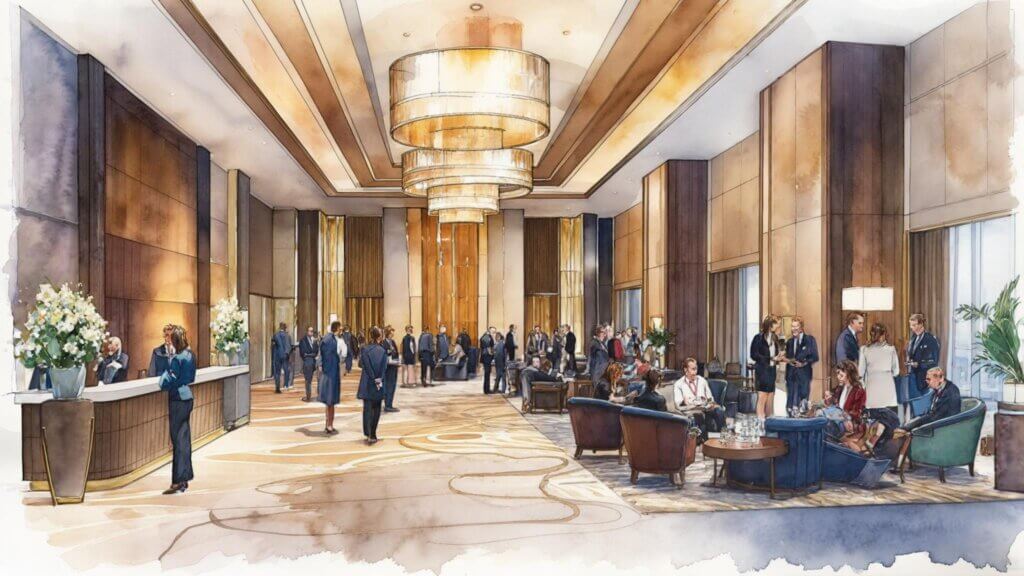
Hotels and Accommodation: One-Stop Solutions for Stay, Meetings, and Banquets
Hotels and accommodation facilities play a central role in the MICE industry. In addition to providing lodging for participants, they offer a range of on-site facilities such as meeting rooms and banquet halls of various sizes, enabling events to be delivered as a one-stop solution that integrates meetings, accommodation, dining, and social functions within a single location.
This level of convenience enhances participant satisfaction while significantly reducing the operational burden on organizers. In particular, hotel banquet spaces are frequently used for networking events and reception functions associated with conferences and meetings.
As hospitality professionals, hotels provide not only physical venues but also service quality and guest experience as integral components of their offering.
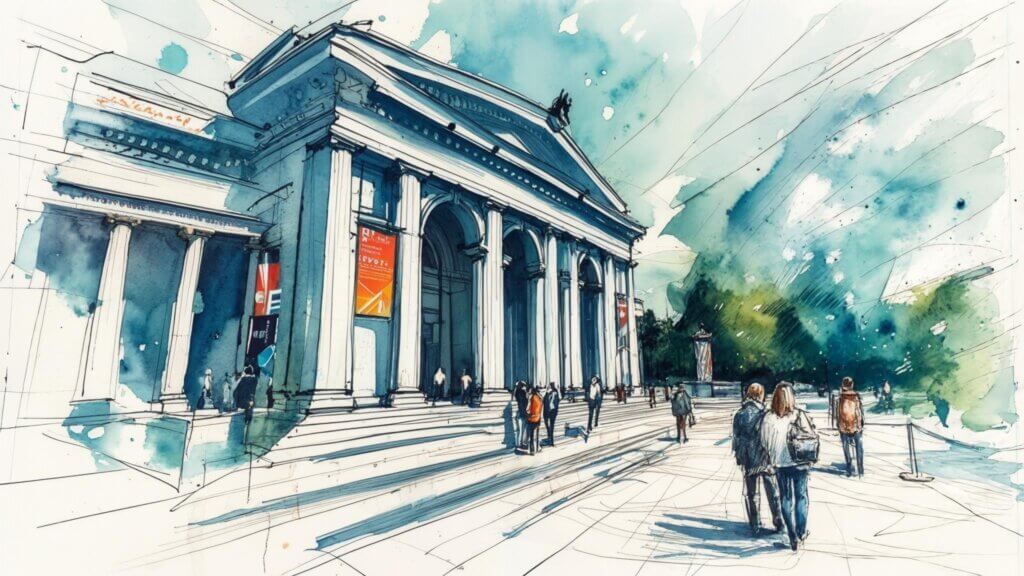
Unique Venues: Creating Distinctive Experiences in Cultural and Historic Settings
Unique venues refer to locations that are not originally designed for events but offer distinctive atmospheres and experiences unique to their setting. Examples include museums, galleries, historic buildings, castles, traditional Japanese gardens, and aquariums.
The primary objective of utilizing such venues is to create memorable and differentiated experiences that enhance the overall value of an event. For instance, hosting a reception at a historic site such as Nijo Castle in Kyoto, or organizing a gala dinner within a museum, can provide participants with a strong sense of place and lasting impressions.
The use of unique venues has evolved beyond a staging technique into a strategic approach. Governments and tourism authorities actively promote their use as part of broader efforts to position MICE as a tool for showcasing regional identity and supporting local revitalization. Events held in such venues enable participants to engage more deeply with local history and culture, contributing to the destination’s brand image.
Online and Virtual Venue Platforms: The Core of Digital MICE
Online and virtual venue platforms can be considered the digital counterparts of physical event spaces. These platforms refer to software and services designed to support online and hybrid events, combining in-person and virtual participation.
Unlike standard video conferencing tools, these platforms offer features tailored to MICE, such as virtual lobbies, exhibition booths, networking lounges for participant interaction, and real-time Q&A functions.
Their adoption accelerated significantly during the COVID-19 pandemic, and they have since become an essential component of the MICE ecosystem. By removing geographical and time constraints, these platforms enable global participation and expand the potential reach of events. In addition, virtual environments, including metaverse-based platforms, are increasingly being explored as event venues.

Companies Responsible for MICE Event Operations and Production
This section introduces the professionals who translate event concepts into tangible experiences.
Event Planning and Production Companies: Creators of Engaging Experiences
While PCOs oversee the overall logistics of conferences, event planning and production companies specialize in creating specific experiential elements within an event.
They are responsible for designing and producing key program components that engage participants, such as opening ceremonies, award presentations, and gala dinners. Their scope of work includes concept development, stage design, talent and artist booking, script preparation, and on-site show direction.
In this sense, they function as creative directors and producers, leading the experiential and creative aspects of events.
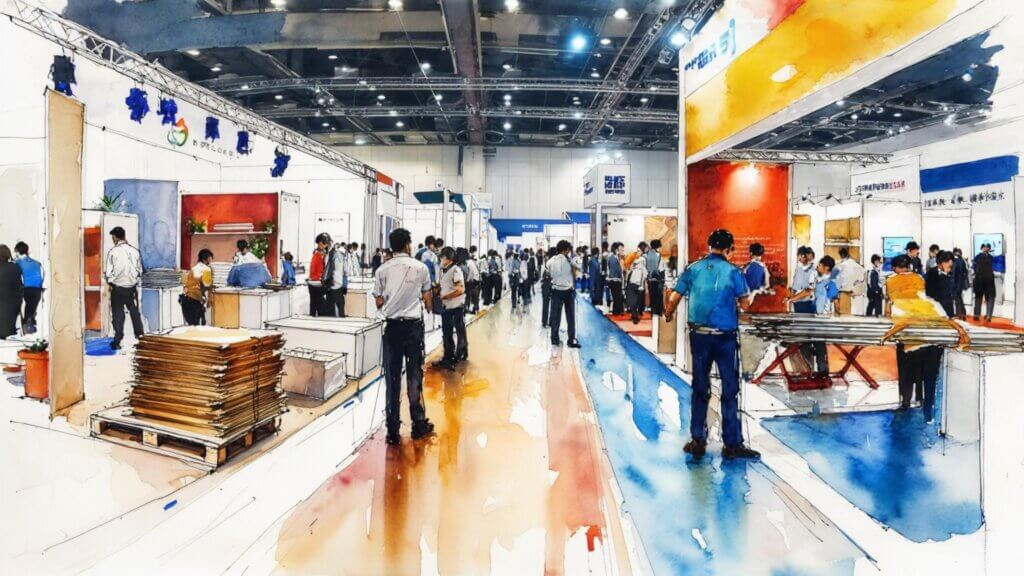
Exhibition Design and Construction Companies: From Booth Design to On-Site Build
These companies specialize in designing and constructing exhibition booths and venue interiors, which serve as the primary interface between exhibitors and visitors.
Their work begins with understanding the exhibitor’s objectives — such as lead generation or brand awareness — and developing booth designs that are both visually engaging and functionally effective. They then manage the entire process, including fabrication, transportation, on-site installation, and post-event dismantling.
In recent years, their role has expanded beyond physical construction to include marketing support and the production of visual content used within booths, positioning them as comprehensive partners in maximizing exhibition outcomes.
Audiovisual (AV) Companies: Supporting Event Production Through Technology
Also referred to as AV (audiovisual) companies, these providers supply the equipment and technical expertise required for sound, video, and lighting — all essential elements of event delivery.
Ensuring clear audio for speakers, high-quality visual projection, and effective stage lighting are all critical factors that influence the success of an event. These companies support the full technical scope, from equipment rental to on-site operation.
With advances in technology, their role continues to evolve, encompassing live streaming, recording, and complex visual productions such as synchronized multi-screen displays.
IT Services and System Developers: Driving Digital Transformation in MICE
IT service providers and system developers play a key role in advancing digital transformation (DX) within the MICE industry. They develop and provide software and platforms that improve operational efficiency and enhance the participant experience — a field often referred to as “event technology” (event tech).
One commonly used solution is the online registration system, which enables end-to-end digital management of participant registration, payment processing (including credit card and convenience store payments), session reservations, and the automatic issuance of QR-coded badges and receipts.
For academic conferences, systems that manage abstract submission and peer review processes are also essential.
For both organizers and exhibitors, digital transformation has become an increasingly important priority. As ESG considerations gain prominence, sustainability is becoming a key requirement in MICE. Technologies that support DX are therefore positioned as important tools for addressing these challenges.

Specialized Service Providers Supporting MICE
Delivering a successful MICE event requires the coordinated efforts of a wide range of specialized service providers. This section outlines key support functions that enable events to operate smoothly and professionally.
Interpretation and Translation Services: Enabling Multilingual Communication
Simultaneous interpretation — real-time translation of spoken content — and document translation are essential services for international conferences. These services include not only highly skilled interpreters, but also the provision of soundproof booths, dedicated equipment, and receivers for participants.
In addition, Remote Simultaneous Interpretation (RSI) platforms have become increasingly important, supporting multilingual communication in online and hybrid environments.
Catering and Food Services: Enhancing Participant Satisfaction
Catering providers deliver all food and beverage services associated with events, from coffee breaks and boxed lunches (such as luncheon seminars) to large-scale banquet and buffet services.
Food plays a significant role in shaping participant satisfaction and also serves as an important opportunity for networking. In recent years, proposals have expanded to include live cooking demonstrations, the use of locally sourced ingredients, and menus designed with sustainability considerations in mind.
Food trucks offering diverse and distinctive menus are also increasingly common at event venues, contributing to the overall experience for both visitors and exhibitors.
Transportation and Logistics: Managing the Movement of Equipment and Exhibits
Logistics companies specialize in the transportation of equipment and materials used in events, including exhibition displays and precision instruments for academic conferences.
International transport requires expertise in customs procedures and documentation such as ATA Carnets, which allow temporary duty-free import and export of goods. By providing door-to-door delivery services directly to exhibition booths within strict timelines, these companies enable exhibitors to focus on their core activities.
Staffing and Security Services: Ensuring Smooth and Safe Operations
Event operations require significant human resources. Staffing agencies provide personnel for roles such as registration, information desks, and attendee guidance, while security companies are responsible for crowd management, access control, and on-site monitoring.
Their professional services ensure both operational efficiency and a safe environment, contributing to a positive experience for participants.
Printing, Design, and Promotional Item Production: Strengthening Event Branding
These companies are responsible for translating an event’s concept into tangible visual elements. Their services include the design and production of programs, posters, signage, and participant badges.
They also plan and produce promotional items and souvenirs, such as branded tote bags, pens, or custom products. These items enhance participant satisfaction while supporting brand recognition for both the event and participating organizations.
Media: Covering MICE and Related Events
Media organizations play a key role in reporting on industry developments and providing specialized information. Some focus specifically on MICE, exhibitions, and events, while others cover broader tourism or industry sectors.
In addition, sector-specific media — such as automotive or technology outlets — often report on relevant exhibitions and events, contributing to a wide range of event coverage.
Public Organizations Supporting MICE Attraction and Industry Development
In addition to private-sector companies that support individual events, a range of public organizations play a central role in driving and developing the MICE industry as a whole.
Convention and Visitors Bureaus (CVBs): Leading Destination Marketing and Bidding Efforts
Convention and Visitors Bureaus (CVBs) are core organizations responsible for promoting specific cities or regions as MICE destinations and attracting events from both domestic and international markets. Many CVBs operate as public–private partnerships, funded by local governments, business associations, and private companies, and function as the marketing and sales arm for a destination’s MICE activities.
Their key functions include bid development — identifying potential international conferences and collaborating with local stakeholders such as academics to prepare proposals — as well as event support, including financial incentives and coordination with local suppliers. CVBs also lead promotional activities to communicate the strengths of their destinations to global audiences.
Representative examples in Japan include the Tokyo Convention & Visitors Bureau (TCVB), Osaka Convention & Tourism Bureau, and Fukuoka Convention & Visitors Bureau.
Government and Local Authorities: Advancing National and Regional MICE Strategies
National governments and local authorities are responsible for formulating and implementing broader MICE development strategies at the country and regional levels.
In Japan, organizations such as the Japan Tourism Agency (under the Ministry of Land, Infrastructure, Transport and Tourism) play a central role in policy development. Initiatives include establishing national branding strategies for MICE, designating and supporting “Global MICE Cities” with strong international competitiveness, and promoting inbound activities through the Japan National Tourism Organization (JNTO).
At the local level, many prefectures and municipalities have established dedicated MICE departments to support industry development. MICE-related initiatives often involve coordination across multiple government ministries — including those responsible for education, industry, and tourism — reflecting the cross-sectoral nature of the industry.
Industry Associations: Supporting Sector Development and Network Building
Industry associations are organizations composed of companies and professionals working within the MICE sector. They contribute to the advancement of the industry through activities such as knowledge sharing, professional development, networking, and policy advocacy.
The Japan Convention Management Association (JCMA) is a central organization that includes a wide range of MICE-related stakeholders, including PCOs. It plays a key role in representing industry perspectives and promoting sector development.
The Japan Exhibition Association (JEXA) focuses specifically on the exhibition sector, bringing together organizers and related service providers to address industry challenges and support growth.
These associations demonstrate the maturity of the MICE industry as a structured sector. Their activities include hosting networking events and facilitating collaboration across the industry. For individuals considering a career in MICE, participating in such events provides valuable opportunities to gain insights into current trends and connect with key stakeholders.
Conclusion: Working in the MICE Industry – Creating the Future Through Collaboration
As outlined in this article, the MICE industry is composed of a wide range of specialized professionals. While it is not possible to cover every role, the success of a single event depends on the coordinated efforts of numerous stakeholders across planning, operations, venues, production, technology, catering, logistics, and communications.
In this sense, MICE is fundamentally a team-based industry. It brings together diverse roles and skill sets, from project managers and creative professionals to IT engineers, marketers, and public-sector representatives.
MICE does more than simply gather people. It facilitates new business opportunities, supports innovation, promotes cultural exchange, and contributes to regional economic activity. This article aims to provide a starting point for understanding the breadth and potential of the MICE industry and to support those exploring career opportunities within it.

-
【Report】Board Game Business Expo Japan 2026 (BGBE): Western Japan’s Largest Board Game Festival — A Report on the Event That Doubled Attendance to 20,000

-
IZAN Inc. Launches “MICE ZINE,” the Industry’s First Career-Focused ZINE for the MICE SectorAimed at students, the publication seeks to create opportunities to spark interest in the MICE industry