

How Strategic Excursion Planning Enhances Attendee Satisfaction and Strengthens Local Engagement in MICE Events
In the MICE industry—covering Meetings, Incentives, Conferences, and Exhibitions—excursions are attracting growing attention as an important element for enhancing attendee satisfaction and strengthening connections with host destinations. When carefully designed, excursions can deliver value beyond sightseeing alone and make a meaningful contribution to the overall success of an event.
This article provides MICE professionals with a detailed overview of how excursions can be used strategically, from their role in event design to current trends and practical planning considerations. By examining excursions as part of a broader MICE strategy, the article aims to offer insights that support more effective and impactful event planning.
Definition and Strategic Role of Excursions in MICE
In the context of MICE events, an excursion refers to a program designed to offer local exploration or cultural experiences during breaks between main meetings, conferences, or exhibitions. In today’s MICE industry, excursions are no longer regarded as simple intermissions or optional sightseeing activities. Instead, they are increasingly positioned as strategic components that enhance the overall value of an event.
Core Elements of Excursions
- Local cultural experiences
Differentiated experiences delivered through local traditional crafts, regional cuisine, festivals, and other cultural activities unique to the destination. - Learning about historical backgrounds
Opportunities to satisfy intellectual curiosity through visits to well-known historical sites, heritage landmarks, and museums. - Exploration of natural environments
Visits to natural parks or scenic locations that provide opportunities for refreshment and a change of pace from the main event program. - Industrial site visits
Creation of informational value through on-site visits to distinctive local industries or facilities showcasing advanced technologies. - Facilitation of networking
Activation of interaction among participants by placing them in environments that differ from conventional meeting rooms, encouraging more natural communication.

The Evolution of Excursions and Emerging Trends
The origins of excursions can be traced to group travel and corporate training trips in earlier decades. From the mid-20th century onward, companies began organizing training retreats and internal trips aimed at improving employee morale and fostering team building. These programs were designed not only to visit tourist destinations, but also to deepen relationships among participants through exposure to local history and culture.
Within the MICE industry, excursions gradually came to be incorporated as leisure programs scheduled between meetings, conferences, and exhibitions. In particular, at international conferences and large-scale events, excursions have increasingly served as opportunities for participants to engage with different cultures and environments. Through these experiences, participants can gain diverse perspectives and ideas that extend beyond the immediate business agenda.
Excursions have also evolved beyond the role of simple sightseeing programs to become mechanisms for collaboration with host destinations and for promoting tourism. By working with local tourism resources, cultural institutions, and regional industries, destinations can create a framework in which the entire community contributes to the event. This approach allows participants to enjoy more engaging experiences while supporting local development.
Recent Trends in Excursion Planning
- Sustainability-focused excursions
Programs that incorporate perspectives such as the SDGs and well-being are gaining attention. These include participation in local environmental conservation activities and site visits to regionally based sustainable industries. - Personalization through the use of technology
New forms of excursions are emerging that leverage technology, such as customized programs tailored to participants’ interests or areas of expertise, as well as local cultural experiences enhanced through the use of AR. - Integration of wellness elements
There is a growing number of programs designed with consideration for participants’ physical and mental well-being, including mindfulness experiences and activities rooted in local health and wellness cultures.
Strategic Use of Excursions and Measuring Their Impact
Well-designed excursions can generate a range of benefits for participants. From a cognitive perspective, they offer opportunities to gain new knowledge and perspectives and can stimulate creativity. Psychologically, excursions provide a sense of refreshment that may contribute to improved concentration and higher levels of satisfaction. Socially, they encourage interaction among participants with diverse backgrounds, supporting the formation of professional networks. To maximize these effects, it is important to design segmented programs that take into account participant characteristics such as age, nationality, and areas of expertise.
Excursions also strengthen collaboration with host destinations. By leveraging local tourism assets and working with local businesses, they can generate economic impact within the region. In addition, excursions may contribute to regional branding and increased international visibility, as well as support the acquisition of repeat visitors after the event. When assessing effectiveness, it is useful to establish KPIs such as participation rates, satisfaction levels, social media engagement, the number of business card exchanges, local spending, and repeat visit rates.
The following are examples of excursion concepts that can be considered.
1. Traditional Cultural Experience Tours
At one international conference, a program was organized in which participants took part in hands-on workshops focused on local traditional crafts and regional cuisine. By engaging directly in these activities, participants were able to deepen their understanding of the host country’s culture. The experience was reported to leave a lasting impression, continuing to resonate with participants even after they returned home.
2. Historical Exploration Tours
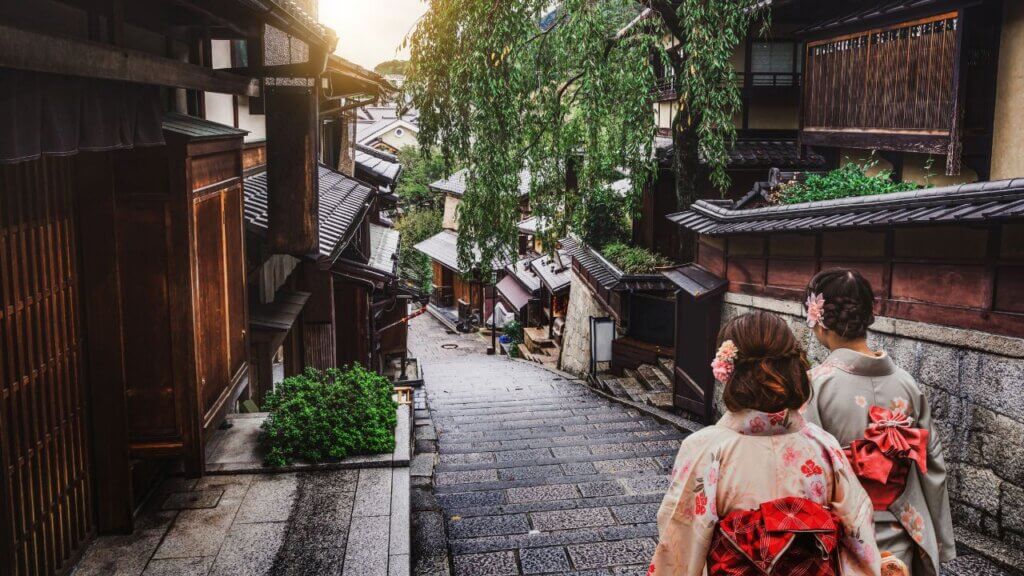
For events held in historically significant cities, excursions were arranged to visit well-known heritage sites, museums, and traditional townscapes. With explanations provided by local expert guides, participants learned about the historical background and cultural heritage of the area. These tours stimulated intellectual curiosity while offering participants a culturally enriching interlude between conference sessions.
3. Nature-Based Experience Programs
Programs that take participants away from urban environments to nature-rich suburban areas have also gained attention. Activities such as forest walks, hiking, or picnics by rivers allow participants to reconnect with nature, providing relaxation and a healthy sense of refreshment. Such experiences can help participants feel mentally and physically revitalized, potentially increasing their motivation and engagement during the conference program.

Conclusion: Maximizing the Value of MICE Through Excursions
Excursions should not be regarded as merely supplementary programs, but rather as strategic elements that enhance the overall value of MICE events. They deliver a combination of benefits, including higher levels of attendee satisfaction, stronger collaboration with host destinations, and clearer differentiation of events.
Successful MICE organizers plan and operate excursions with the same level of strategic intent and creativity applied to conference or exhibition program design. Awareness is growing that the quality of excursions can significantly influence the overall evaluation of a MICE event.
Looking ahead, the creation of experiential value that reflects regional uniqueness, together with personalization enabled by technology, is likely to become central to excursion planning.
Related Articles:MICE Basic

-
How to Create Memorable Events with Historic and Experiential Event Venues
-
Taipei Game Show 2026: January 29–February 1 at Taipei Nangang Exhibition Center.History and Highlights of One of the Asia-Pacific Region’s Leading Game Trade Shows