What Is a FAM Tour? Its Value, Practical Benefits, and How to Implement It Effectively — with a Focus on MICE
For businesses that operate destinations, accommodation facilities, resorts, or experiential activities, effectively communicating their unique value and attracting customers is essential to sustaining their operations.
However, photographs and written content on websites or social media alone often fall short in conveying the atmosphere of a place, the quality of services, or the cultural characteristics that distinguish a destination or facility. Against this backdrop, FAM tours have gained attention as a practical solution to these challenges.
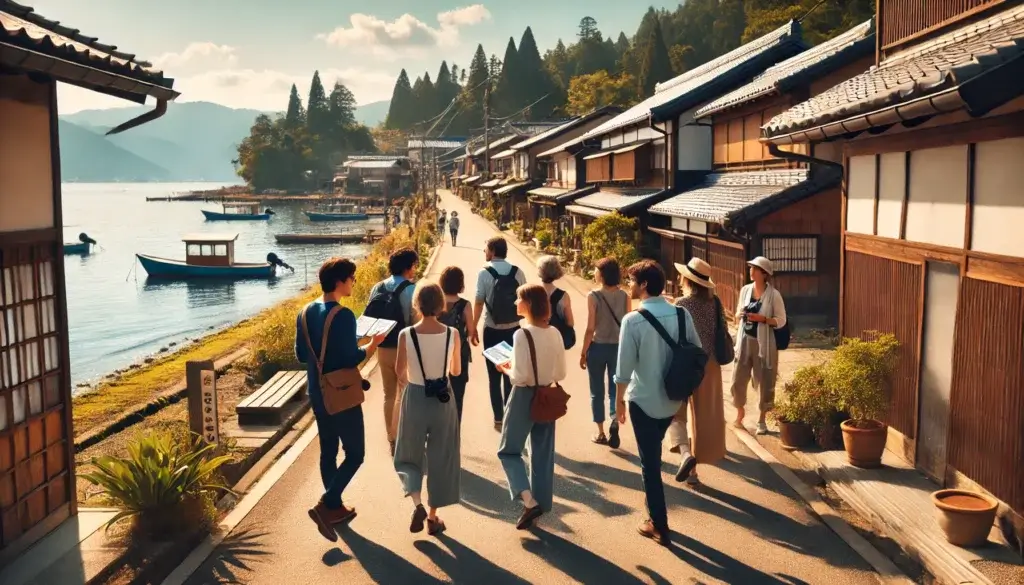
A FAM tour, short for “familiarization tour,” refers to an invitation-based travel program designed for travel agents, media representatives, and, in some cases, influencers with strong reach on social media platforms. Participants are invited to visit the destination in person and experience the location, facilities, and services firsthand, enabling them to gain a tangible understanding of the destination’s appeal.
This article explores the fundamentals of FAM tours, including their definition, key types, practical benefits, and effective methods for planning and implementation. It also examines the role of FAM tours within the context of MICE, where firsthand experience can play a critical role in decision-making by planners and organizers.
Is a FAM Tour Simply an “Invitation Tour for Site Inspections”?
A FAM tour is an abbreviation of “Familiarization Tour” and is also commonly referred to in the travel industry as a “FAM trip.” In Japanese, it is often described as a “site inspection tour” or an “invitation tour.” While the terminology may vary, the purpose of a FAM tour can generally be categorized into two main objectives.
1. Deepening Understanding for Sales Promotion and Product Development
By visiting destinations in person, travel agencies, tour operators, and other industry professionals can inspect and experience accommodation facilities, tourist attractions, dining options, and transportation arrangements firsthand. These on-site experiences provide a deeper and more accurate understanding of the destination, which can then be applied to the planning of new travel products and to more effective sales and promotional activities.
2. Information Dissemination Through Media and Influencers
Journalists, bloggers, and social media influencers are invited to experience destinations and services directly, with the aim of promoting them to a wide audience through magazines, online articles, and social media posts. Information shared on the basis of firsthand experience tends to generate higher levels of trust and engagement among readers and viewers, making it a particularly effective approach to destination and facility promotion.
Main Types of FAM Tours
FAM tours can be broadly classified into three types, depending on the target participants invited.
1. FAM Tours for Travel Agencies and Tour Operators
This type of FAM tour targets professionals responsible for product development and tour creation. By inviting them to inspect destinations and facilities on site, organizers aim to provide the detailed information necessary for inclusion in future travel products, while also building long-term professional relationships.
2. FAM Tours for Media
These FAM tours invite writers, editors, and production staff from magazines, newspapers, television, and online media outlets. Through articles, programs, and other media coverage, the objective is to increase awareness and visibility among readers and viewers.
3. FAM Tours for Influencers
Influencer-focused FAM tours are designed for bloggers, YouTubers, and social media influencers with large or highly engaged followings. By encouraging participants to share their experiences in real time, these tours aim to reach younger audiences or specific fan communities more effectively.
The Value and Impact of FAM Tours
At first glance, a FAM tour may appear to be a form of “free invitation travel,” requiring organizers to invest time, resources, and budget to host industry stakeholders. However, when properly planned and managed, a FAM tour can function as a highly efficient marketing tool that delivers benefits exceeding the initial investment. The key value and impact of FAM tours can be summarized as follows.
1. Deeper Understanding Through Direct, Firsthand Experience
One of the most significant advantages of a FAM tour is the opportunity for participants to gain authentic, multisensory experiences. Elements such as the comfort of facilities, the quality of meals, local scenery, and the hospitality of people on site are difficult to fully convey through brochures, photographs, or written descriptions alone. When participants experience these aspects firsthand, they develop a deeper understanding of the destination or facility and are better positioned to promote or sell it with confidence. As a result, the persuasive power of subsequent promotional activities is substantially enhanced.
2. Credible and High-Impact Promotion Through Trusted Voices
Unlike conventional advertising, information shared by travel professionals, media representatives, and influencers who have personally visited a destination carries a high level of credibility. Audiences tend to place greater trust in content based on firsthand experience. In particular, influencer-driven social media content often generates strong engagement due to the close relationship between influencers and their followers, and in some cases achieves broader reach than official corporate communications. The ability to amplify authentic, experience-based perspectives across multiple channels is a distinctive strength of FAM tours.
3. Opportunities for Network Building and Long-Term Partnerships
FAM tours create opportunities for direct interaction between organizers—such as local governments, tourism facilities, or destination management organizations—and participants, including travel agencies, media, and influencers. These face-to-face connections help establish trust and foster relationships that can lead to future collaborations, joint projects, or ongoing consultations related to product development.
In addition, interactions among participants themselves often encourage the exchange of ideas and information, which may result in new business opportunities or innovative concepts.
4. Cost-Effective Marketing with Long-Term Returns
While organizing a FAM tour involves costs such as transportation, accommodation, and meals, effective execution can generate returns that significantly exceed these expenses. Media coverage, word-of-mouth exposure on social media, and the creation of new travel products can be viewed as outcomes comparable to paid advertising, often with greater impact.
This cost-effectiveness is particularly evident in inbound tourism strategies, where inviting overseas travel companies or media and enabling them to communicate directly from the destination can efficiently expand visibility and awareness in international markets.

How to Plan and Execute an Effective FAM Tour
The success of a FAM tour depends largely on careful preparation, clear target selection, and attentive tour management. When these elements are aligned, a FAM tour can deliver meaningful and lasting results. The main steps and key considerations are outlined below.
1. Defining Clear Objectives and Selecting the Right Target Participants
The first step is to clarify the primary objective of the FAM tour.
Organizers should determine whether the goal is to attract new customers, appeal to a specific market segment—such as luxury travelers, younger audiences, or outdoor-oriented travelers—or prioritize raising overall destination awareness. Once the objective is clearly defined, it becomes easier to identify who should be invited.
For FAM tours aimed at travel agencies, the focus is often on encouraging inclusion in new travel products. In such cases, planners, product managers, or procurement staff who are directly involved in tour creation are typically invited.
When the objective is media exposure, participants are selected from magazines, television programs, or online media outlets. Writers, editors, and photographers are invited with the expectation that their coverage will lead to increased visibility through articles, programs, or digital content.
For influencer-focused FAM tours, the primary aim is to generate reach and engagement through social media. Influencers are selected based on factors such as follower demographics, engagement rates, and relevance to the destination or experience being promoted.
Across all formats, it is essential to ensure that the audience reached by invited participants—whether readers, viewers, or followers—closely aligns with the organizer’s intended target market. This alignment plays a critical role in maximizing the overall effectiveness of the FAM tour.
2. Designing an Engaging and Realistic Program
The next step is to design a program that encourages participants to feel that the experience was worthwhile and that it is something they would genuinely want to introduce to others. Incorporating appealing experiential content while maintaining a realistic pace can significantly enhance participant satisfaction.
Including experiences unique to the destination is particularly effective. Seasonal festivals, cooking classes using local ingredients, traditional craft workshops, and nature-based activities can all help convey the character of the region in ways that are difficult to replicate elsewhere.
It is also important to minimize stress related to transportation and accommodation. Overly tight schedules should be avoided, and itineraries should allow sufficient time between activities. Clear arrangements for transportation, along with careful consideration of accommodation and dining quality, contribute greatly to the overall experience.
For media representatives and influencers, consideration of photography and video opportunities is essential. Providing visually appealing locations and allowing flexible time for shooting or content creation can further increase satisfaction and the likelihood of positive coverage.
In terms of scheduling, it is advisable to begin planning at least 3 to 6 months in advance. When participants are expected to travel from overseas, additional factors such as visa requirements and flight arrangements should be taken into account, and extra time should be built into the schedule.
Overloading the itinerary can lead to fatigue or negative impressions, such as participants being unable to fully enjoy meals or experiences, which may ultimately undermine the purpose of the tour.
3. Enhancing Hospitality and On-Site Guidance
Hospitality and the clarity of on-site guidance are key factors that directly influence the quality of a FAM tour.
A welcoming session upon arrival can help set the tone for the tour. Brief orientations, introductions to the destination, and opportunities for participants to meet one another can facilitate smoother communication and engagement from the outset.
The involvement of experts or local guides can also significantly enhance the experience. Individuals who can explain architectural backgrounds, cultural context, or historical significance add depth to the tour and help participants gain a more meaningful understanding of the destination.
In addition, organizers should ensure that staff are prepared to respond flexibly to unexpected situations, such as health concerns or last-minute schedule changes.
Providing attentive support while maintaining a certain degree of freedom allows participants to engage with the experience in their own way. This balance is particularly important for media and influencers, who may require time for photography, interviews, note-taking, or social media posting.
4. Post-Tour Follow-Up and Ongoing Engagement
A FAM tour should not conclude with the experience itself. Post-tour follow-up plays a crucial role in determining its overall success.
Sending prompt messages of appreciation after the tour, along with providing additional materials such as photographs or destination information, helps support participants in creating articles, reports, or online content. These materials can be especially valuable for media professionals and influencers during their production and publishing processes.
It is also important to monitor and share any content published by participants, including blog posts, social media updates, or media coverage. By re-sharing this content through official websites or social media channels, organizers can amplify its reach and generate greater overall impact.
Finally, evaluating outcomes is essential for continuous improvement. Monitoring media exposure, the development of new travel products by participating agencies, and engagement levels on social media provides insight into how effectively the FAM tour contributed to awareness and customer acquisition. Feedback and results gathered through this process can be applied to future planning and refinement.
Typical Workflow for Implementing a FAM Tour
As a general reference, it is useful to consider a standard scheduling framework for implementing a FAM tour.
A timeline such as the one outlined below allows the process to proceed smoothly without placing excessive strain on organizers or participants.
1.Planning Phase (3–6 Months in Advance)
- Define objectives and set key performance indicators (KPIs)
- Identify target markets and ideal invitee profiles
- Adjust budget allocation and determine the implementation period
- Develop a preliminary program plan
2.Invitations and Preparations (1–3 Months in Advance)
- Create an invitee list and send formal invitations
- Communicate with confirmed participants and finalize detailed schedules
- Secure accommodation, transportation, and dining venues
- Arrange guides and operational staff, and complete any required permits or administrative procedures
3.Tour Implementation (Day of Arrival Through Several Days)
- Conduct an orientation session for participants
- Organize site visits and experiential programs
- Provide support for transportation, accommodation, meals, and photography or filming
- Facilitate interaction among participants and with local stakeholders
4.Follow-Up(Post-Tour)
- Analyze outcomes and identify areas for improvement for future FAM tours
- Send thank-you messages and provide additional reference materials
- Monitor media coverage and social media posts, and amplify them through official channels
Key Success Factors and Points to Consider When Organizing a FAM Tour
1. Establish Clear Criteria for Selecting Invitees
When selecting participants—such as travel agencies, media representatives, or influencers—it is important to consider not only the scale of their reach, including follower numbers, readership, or audience ratings, but also their area of expertise and alignment with the intended target market. Additional factors such as the quality and consistency of past content, communication skills, and willingness to collaborate should also be carefully assessed. Clear selection criteria help ensure that the outcomes of the FAM tour align with its original objectives.
2. Appropriate Budget Allocation and Cost Management
As FAM tours involve a certain level of expense, careful budget planning is essential. Decisions regarding which costs will be covered by the host—such as accommodation and transportation—and which, if any, will be borne by participants should be clarified in advance. Excessively lavish hospitality does not necessarily lead to better results if the core experiences and content lack substance. Maintaining a strong awareness of cost-effectiveness and allocating resources to areas that directly support the tour’s objectives are critical to achieving meaningful outcomes.
3. Coordination with Local Stakeholders and Partners
Successful FAM tours depend on close coordination with local tourism associations, municipal authorities, destination management organizations, individual experience providers, and restaurants. Insufficient communication with these stakeholders can lead to operational issues on the day of the tour and negatively affect participant perceptions. When multiple venues or facilities are involved, detailed advance coordination is particularly important, including schedule alignment and clear role assignments for welcoming and departure arrangements.
4. Preparedness for Disruptions and Unexpected Situations
Organizers should anticipate the possibility of unforeseen circumstances such as natural disasters or transportation disruptions. Preparing contingency plans in advance and establishing an operational framework that prioritizes participant safety are essential. A proactive approach to risk management helps ensure that the tour can proceed smoothly, even when unexpected challenges arise.

The Importance and Potential of FAM Tours in MICE: An Effective Tool for Destination Bidding
This section focuses on the role of FAM tours within the MICE sector.
In recent years, MICE—including international conferences and corporate incentive travel—has attracted growing attention as a key driver of regional revitalization and inbound tourism. Once successfully secured, MICE events generate not only large numbers of visitors and substantial accommodation demand, but also contribute significantly to enhancing the host destination’s brand image. In this context, FAM tours can serve as an effective tool in MICE bidding and attraction efforts.
By inviting conference organizers, event planners, and corporate decision-makers to experience potential host destinations and surrounding facilities firsthand, FAM tours provide practical criteria for assessing whether a location is truly suitable for an event and whether it offers an environment that will satisfy participants.
In MICE planning, factors such as security arrangements, simultaneous interpretation facilities, transportation infrastructure, and accommodation capacity are often prioritized to a greater extent than in standard leisure travel. Many of these elements are difficult to fully evaluate through brochures or photographs alone, making on-site visits and firsthand impressions especially valuable.
FAM Tours as Incentive Travel Programs
FAM tours can also be positioned as part of incentive travel planning. For corporate award trips or team-building programs, the availability of unique venues—such as historic buildings, museums, or venues set within natural environments—as well as distinctive experiential programs can be decisive factors. When organizers are able to confirm through a FAM tour that a destination offers experiences capable of delivering a memorable and differentiated event, the likelihood of successful bidding increases substantially.
In addition to media and travel agencies, inviting specialized MICE agents or professional conference organizers (PCOs) responsible for travel arrangements and international conference management can be particularly effective. By enabling these stakeholders to gain a deeper understanding of local advantages and operational conditions, destinations can facilitate more concrete proposals and strengthen their overall competitiveness in the MICE market.
Overall, FAM tours in the MICE context play a critical role in providing reassurance and persuasive value by allowing stakeholders to directly assess a destination’s readiness for hosting events. When combined with well-designed, customized programs and attentive hospitality, FAM tours can highlight distinctive strengths that differentiate a destination from competing locations. Ultimately, MICE-focused FAM tours help position a region as a credible and attractive candidate for international conferences and corporate events, contributing to long-term recognition and demand.
Conclusion: The Enduring Value of On-Site Experience in FAM Tours
FAM tours remain a powerful marketing approach for conveying the full appeal of destinations and tourism facilities. By enabling firsthand experiences, they can generate a wide range of outcomes, including the development of travel products, media exposure, and broader dissemination through social media. Insights and impressions formed through direct experience offer a level of credibility and resonance that goes beyond conventional advertising, often resulting in strong cost-effectiveness over time.
At the same time, the success of a FAM tour depends on the careful execution of each stage of the process. Clear objectives and well-defined target participants, thoughtful program design, attentive hospitality on site, and consistent post-tour follow-up all play essential roles. When the needs of invited participants align closely with the content of the program, and when the journey itself is perceived as a distinctive and meaningful experience, FAM tours are more likely to deliver substantial results.
As tourism demand continues to recover and expand following the pandemic, FAM tours are becoming an increasingly important strategy for local governments and businesses seeking to attract visitors from both domestic and international markets. While advances in online tools have given rise to new formats such as virtual site inspections and hybrid FAM tours, direct on-site visits remain the most effective way to convey the atmosphere, scale, and operational realities of a destination. In this sense, the fundamental value of FAM tours—inviting stakeholders to experience a place in person—continues to hold strong relevance in today’s tourism and MICE landscape.
Related Articles: FAM Tour
-
Onboard Report: Can a 2-Night, 3-Day Taiheiyo Ferry Journey from Nagoya to Tomakomai (Hokkaido) Work for Business Travel? A Workcation-Style Review from the Nagoya Terminal to Sapporo
-
What Are DMO and DMC? Their Roles, Objectives, and Relationship with MICE Explained