
How to Create Memorable Events with Historic and Experiential Event Venues
What Are Unique Venues?
Unique venues refer to event locations that offer distinctive experiences beyond conventional meeting rooms or hotel banquet halls. These venues include places that are not typically used for events, such as historic buildings, museums, industrial heritage sites, gardens set in natural surroundings, and even waterfront facilities.
By utilizing spaces with cultural, historical, or environmental significance, unique venues provide value that goes beyond the physical space itself. They help reinforce the theme and message of an event, enhancing its overall appeal and leaving a lasting impression on participants.
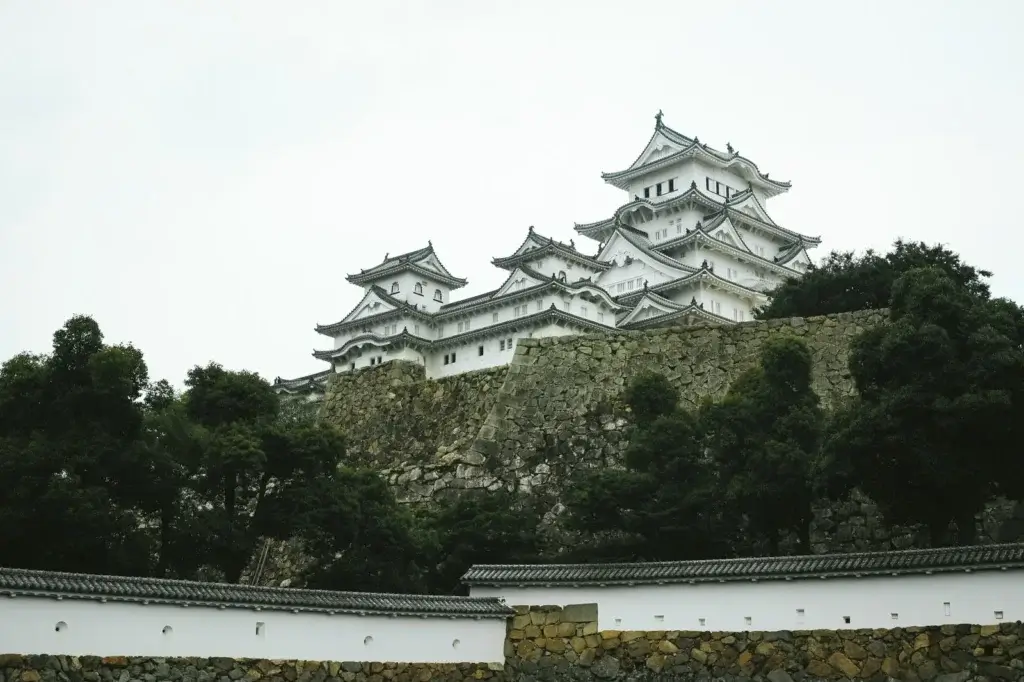
For example, hosting an international conference at a World Heritage site in Kyoto, or organizing a technology exhibition within a former red-brick warehouse at a port area, can significantly shape how an event is perceived. Careful selection of a unique venue can transform an event into a memorable experience, one that participants recall as something truly special.
The Relationship Between Unique Venues and MICE
MICE—an acronym for Meetings, Incentives, Conferences, and Exhibitions—refers to business events such as international conferences, trade shows, and incentive travel programs. In MICE planning, expectations often extend beyond the provision of a functional venue, with increasing emphasis placed on experiences and added value. In this context, the use of unique venues plays an important role in meeting these expectations.
Unique venues contribute to MICE events in several key ways.
1.They enhance the overall quality of the participant experience by creating a sense of exclusivity and distinction, which can lead to higher levels of satisfaction. For example, events held in Japanese gardens or historic buildings allow participants to experience Japan’s culture and traditions in a tangible way.
2.They also help strengthen an event’s thematic coherence. When the venue itself embodies the theme of an event, it reinforces messaging and creates a consistent atmosphere. An event focused on sustainability, for instance, may align well with venues that are integrated into natural environments or that emphasize environmental conservation.
3.Unique venues support the integration of tourism and business. By leveraging local attractions as event spaces, destinations can encourage MICE participants to engage with regional tourism offerings, thereby amplifying economic impact beyond the event itself.
Examples of Unique Venues in Japan
The following venues are introduced on the unique venues page of the Japan National Tourism Organization (JNTO) and are representative of locations used for MICE-related events across the country.
https://mice.jnto.go.jp/organizer-support/search/unique-venue.html
- State Guest House Akasaka Palace
- Moerenuma Park
- Yamagata Museum of Art
- Toba Sea-Folk Museum
- Nijō Castle
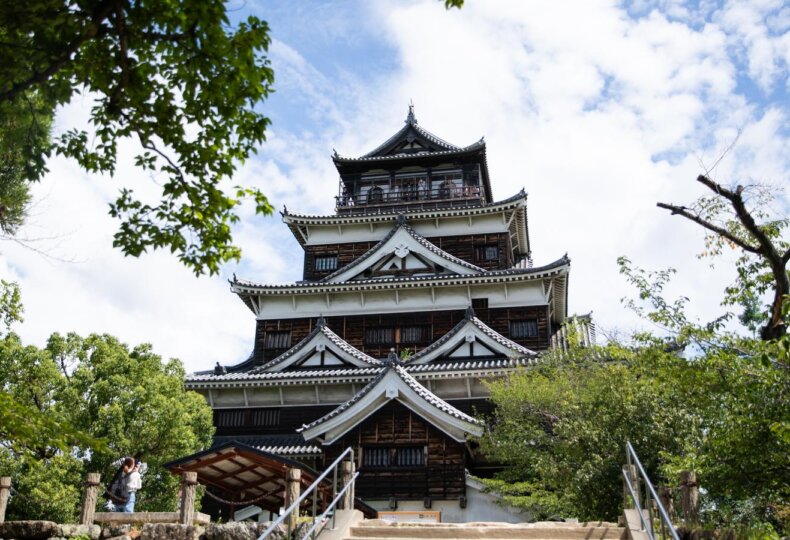
- Okayama Castle
- Glover Garden
- Okinawa Churaumi Aquarium
Specific Benefits of Unique Venues for MICE Events
1. Use in Meetings and Seminars
Meetings held in traditional Japanese houses or tea rooms can foster a relaxed atmosphere that encourages open discussion rather than formal exchanges. The cultural and historical context of the setting may also provide inspiration that adds depth to the content of the meeting and the perspectives shared among participants.
2. Special Experiences in Incentive Travel
In incentive travel programs, the primary objectives are to express appreciation and to enhance participant motivation. Hosting special dinners or cultural experiences at hot spring inns or accommodations set in natural surroundings can create lasting memories for participants, reinforcing the purpose of the program.
3. New Approaches to Exhibitions
By utilizing large-scale spaces such as industrial heritage sites or former airport grounds, organizers can implement exhibition concepts that are difficult to realize in conventional venues. These environments make it possible to introduce large installations or experiential booths that incorporate advanced technologies.
4. Distinctive Networking Events
Networking events held in refined spaces such as Japanese gardens or art museums can naturally encourage conversation and interaction. The atmosphere of these venues helps reduce barriers between participants, supporting closer connections in a setting that differs from standard networking environments.
Utilizing Japan-Specific Unique Venues
1. International Conferences at World Heritage Sites
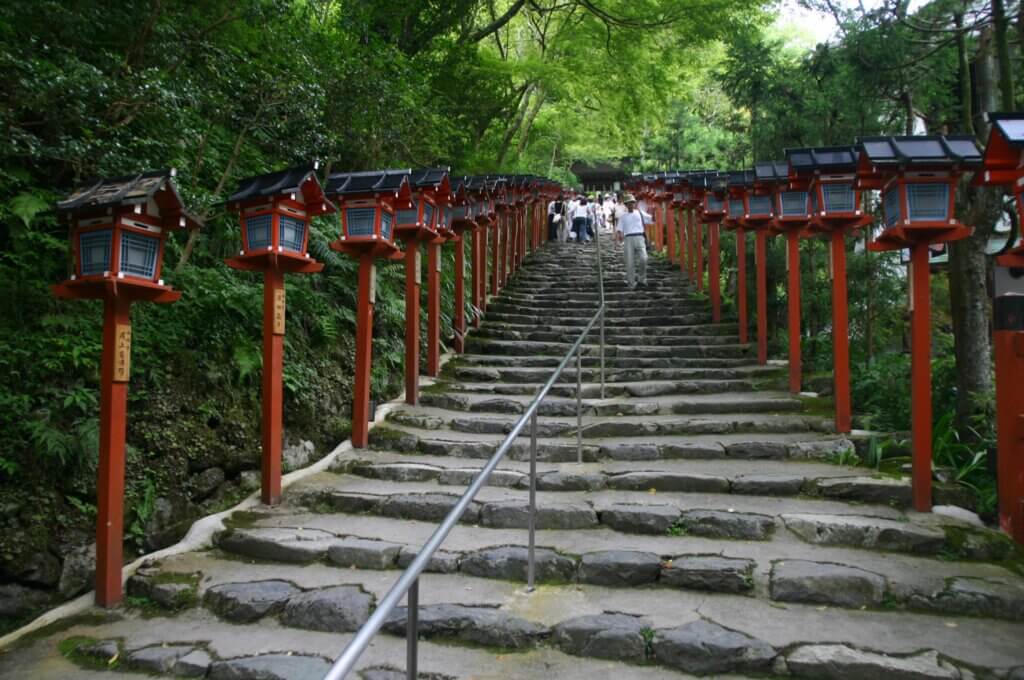
International conferences held at World Heritage sites such as Kiyomizu-dera in Kyoto or Tōdai-ji in Nara allow participants to experience the depth of Japanese culture firsthand. The solemn atmosphere of these locations can also elevate the overall tone and stature of conferences and related events.
2. Regional Revitalization Events in Local Cities
Exhibitions and workshops organized at traditional craft facilities or industrial heritage sites in regional cities provide opportunities for participants to directly engage with local culture and industry. Such events can serve as effective platforms for communicating regional appeal while supporting local revitalization efforts.
3. Incentive Travel Programs in Japanese Gardens
By reserving Japanese gardens and incorporating cultural experiences such as Noh performances or tea ceremonies, incentive travel programs can offer participants a deeper understanding of Japanese aesthetics and values. These programs are particularly well received by overseas participants seeking culturally immersive experiences.
4. Eco-Tourism-Oriented Events Leveraging Natural Environments
Events held in nature-rich areas such as the surroundings of Mount Fuji or Lake Biwa can emphasize environmental awareness while promoting corporate CSR initiatives through direct engagement with the natural environment.
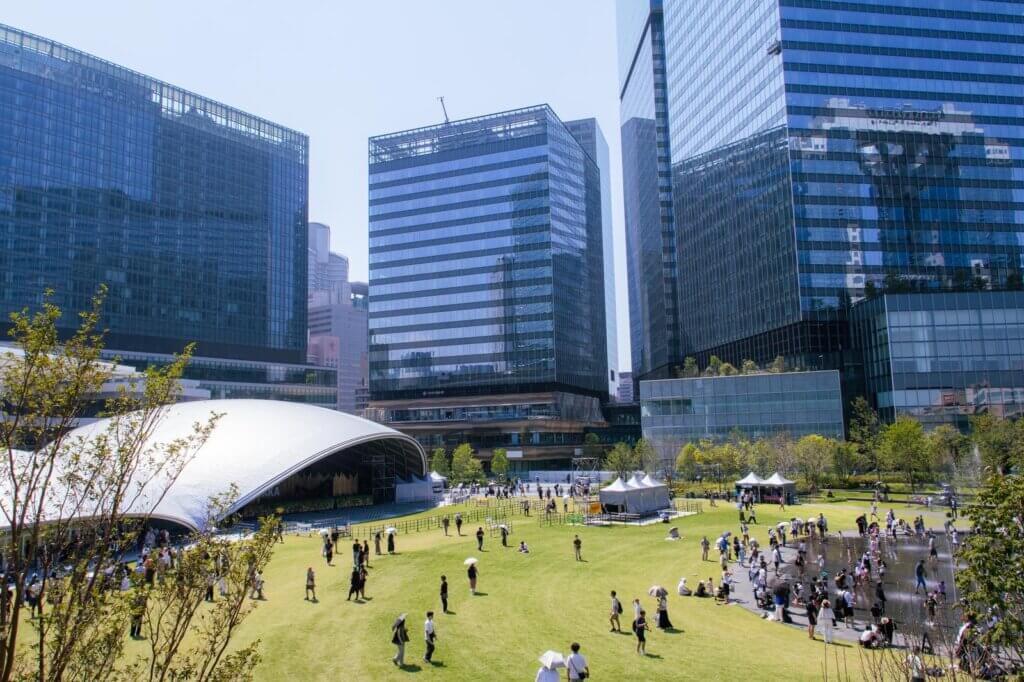
Beyond these examples, a wide range of locations—including museums and art galleries, shopping streets, parks and gardens, riverbanks, theme parks and amusement parks, stations and airports, and craft studios—also hold potential for use as unique venues, depending on the objectives and scale of each MICE event.
Points to Consider When Using Unique Venues for MICE Events
Respect for Local Culture and Rules
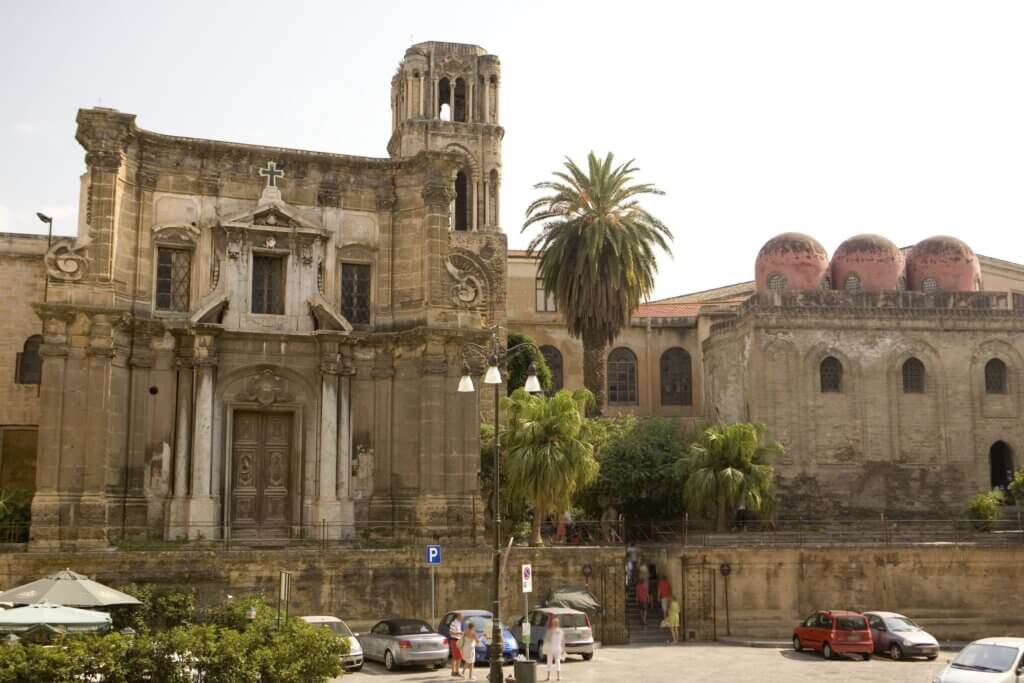
Historic buildings, cultural properties, and nature conservation areas may be subject to usage restrictions or regulations. Close coordination with local authorities and venue operators is essential. Special care is also required when using sites with religious significance. As many unique venues are not typically designed or operated as event facilities, it is particularly important to proceed with caution and respect when planning their use.
Access and Infrastructure Considerations
Unique venues are sometimes located in areas with limited access, making it necessary to carefully assess transportation options and available infrastructure in advance. Elements such as sound systems, lighting, power supply, and Wi-Fi connectivity should be confirmed early in the planning process. Identifying what may be difficult or not feasible at the venue helps organizers determine how the event can be realistically conducted.
Communicating Cultural Context to Participants
For international participants, Japanese culture can be both appealing and unfamiliar. Providing guides, interpreters, or explanatory materials in advance can support better understanding and help deliver a more meaningful experience. Clear communication of cultural context contributes to deeper engagement while avoiding misunderstandings.
The Future of Unique Venues and MICE
Unique venues are drawing increasing attention as a means of adding distinctiveness to MICE events and delivering value that cannot be replicated in conventional settings. By combining such venues with digital technologies and considerations for sustainability, new possibilities continue to emerge.
Examples include events that use digital projection to reinterpret historic buildings in a contemporary context, or exhibitions designed to be eco-friendly through the use of renewable energy. These approaches point toward MICE events where tradition and innovation coexist, creating experiences that leave a strong and lasting impression on participants.
Japan as a Destination Rich in Unique Venues
Unique venues represent one of the key elements that can contribute to the success of MICE events. When considering Japan’s diverse landscapes, abundant natural environment, four distinct seasons, and long history and cultural heritage, the country may be seen as particularly well endowed with such venues. Across regions and cities, it is possible to identify locations that can function as unique venues in their own right.
By making use of venues that reflect Japan’s cultural character, organizers can offer participants cultural experiences and a sense of being removed from everyday life, while also contributing to regional economies and the promotion of tourism.
Related Articles: Unique Venue

-
Pokémon’s First Outdoor Theme Park, PokéPark KANTO, to Open in Spring 202626-Hectare Facility Planned Within Yomiuriland

-
How Strategic Excursion Planning Enhances Attendee Satisfaction and Strengthens Local Engagement in MICE Events