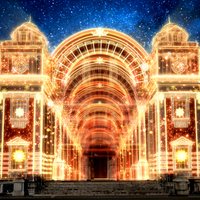
[On-site Report] Why Organize Academic and International Conferences? Insights from Conference Organizers in Aichi and an Excursion Exploring Sake Brewing and the Legacy of a Sony Co-founder / PR
[On-site Report] Why Organize Academic and International Conferences? Insights from Conference Organizers in Aichi and an Excursion Exploring Sake Brewing and the Legacy of a Sony Co-founder / PR
You may have attended international conferences without ever considering organizing one yourself. Or you may have experience organizing conferences but found it challenging to create opportunities for attendees to connect. Some researchers and those involved in academic societies may face these challenges.
Organizing a conference requires preparation and funding, but it can also provide early-career researchers with opportunities for international exchange and help researchers meet new colleagues.
From November 2 to 6, 2026, the International Rubber Conference 2026 (IRC2026 AICHI) was held at Aichi Sky Expo in Tokoname, Aichi Prefecture, Japan. In conjunction with IRC2026 AICHI, the Aichi Prefectural Government organized a seminar and networking reception for researchers, as well as an excursion attended by participants from overseas. MICE TIMES ONLINE covered these programs on-site.
Why do researchers organize international conferences? And what kinds of conferences can be organized in Aichi, where manufacturers and research institutions are concentrated? Drawing on insights from experienced conference organizers and firsthand observations of the excursion, this report explores what can remain long after a conference ends.
3 Reasons to Consider Aichi as a Host Destination for Academic and International Conferences
1. A Hub for Manufacturing and Research
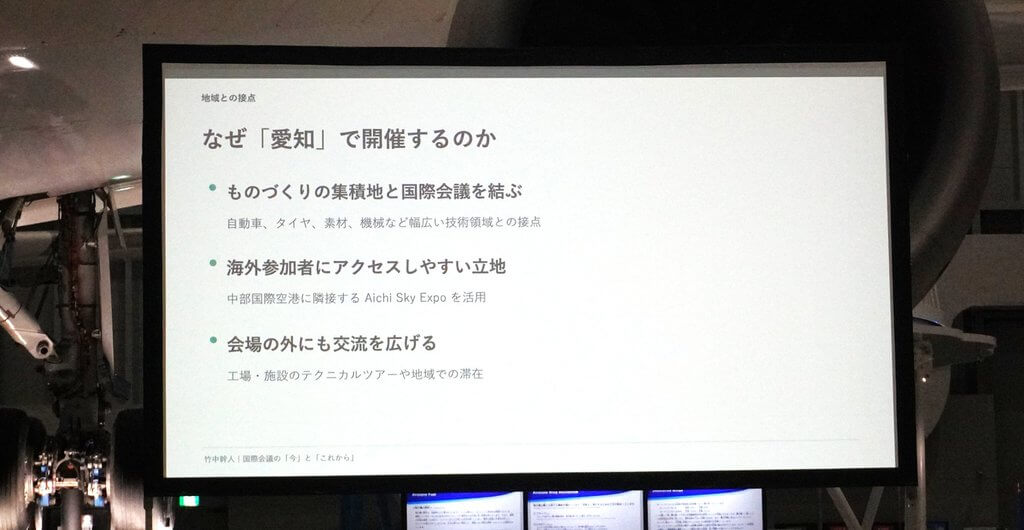
Aichi is home to industries including automotive manufacturing, aerospace, robotics, manufacturing machinery and ceramics. The prefecture also has a concentration of universities and research institutions, including Nagoya University, which has produced Nobel Prize laureates. Organizers of international conferences in materials science, chemistry and manufacturing technology can draw on connections with these industries and research institutions when developing their programs.
By combining industry exhibitions with technical visits, attendees can see firsthand the technologies discussed in research presentations and ask on-site personnel about manufacturing processes. One of Aichi’s advantages is the ease of finding companies and researchers working in relevant fields of expertise.
Technical visit: An educational visit to a company, research institution, government agency or similar organization to learn about its technologies, research or operations.
2. Domestic and International Access via Chubu Centrair International Airport and the Tokaido Shinkansen
Located near the geographic center of Japan, Aichi is served by Chubu Centrair International Airport, Nagoya Airport, the Tokaido Shinkansen and an expressway network. International attendees can travel through Chubu Centrair International Airport, while domestic attendees can choose transportation options such as the Shinkansen or flights, depending on their departure point. For international conferences that bring together researchers and engineers from different locations, ease of access is another consideration when selecting a host destination.
With the conference venue located directly across from the airport, one attendee commented, “I can even attend on a same-day business trip from Fukuoka.”
3. A MICE Venue for Both Academic Conferences and Industry Exhibitions
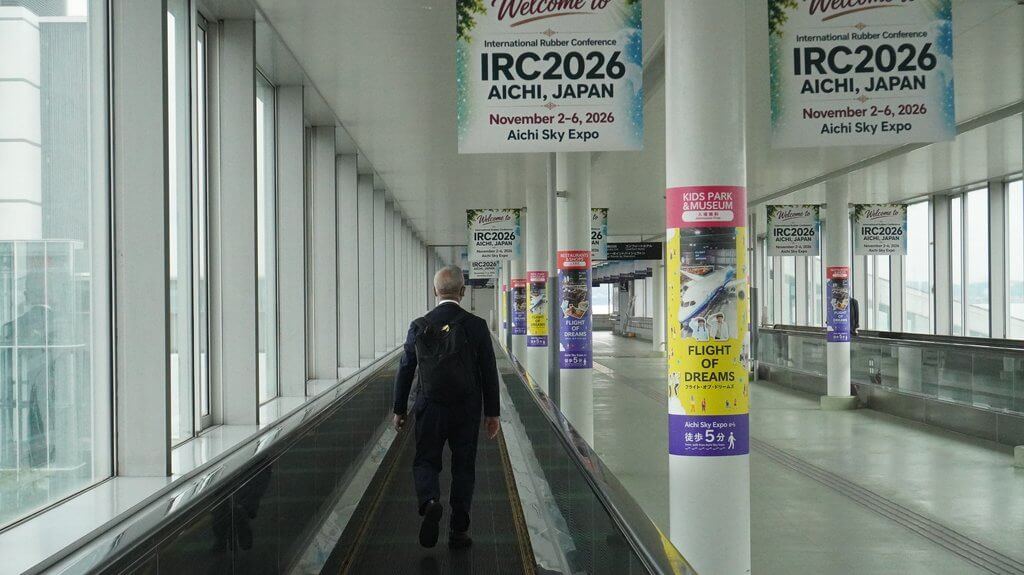
Aichi Sky Expo in Tokoname is approximately a 5-minute walk from Chubu Centrair International Airport. With 60,000 square meters of exhibition space, the facility can accommodate both academic conferences and industry exhibitions at the same venue, as demonstrated by IRC2026 AICHI.
IRC is an international conference where scientists and engineers working with rubber and elastomers present and discuss findings from fundamental and applied research. The 2026 conference marked the sixth time the event had been held in Japan and the first in 10 years, following the 2016 conference in Kitakyushu. The program combined academic presentations with industry exhibitions and industrial site visits.
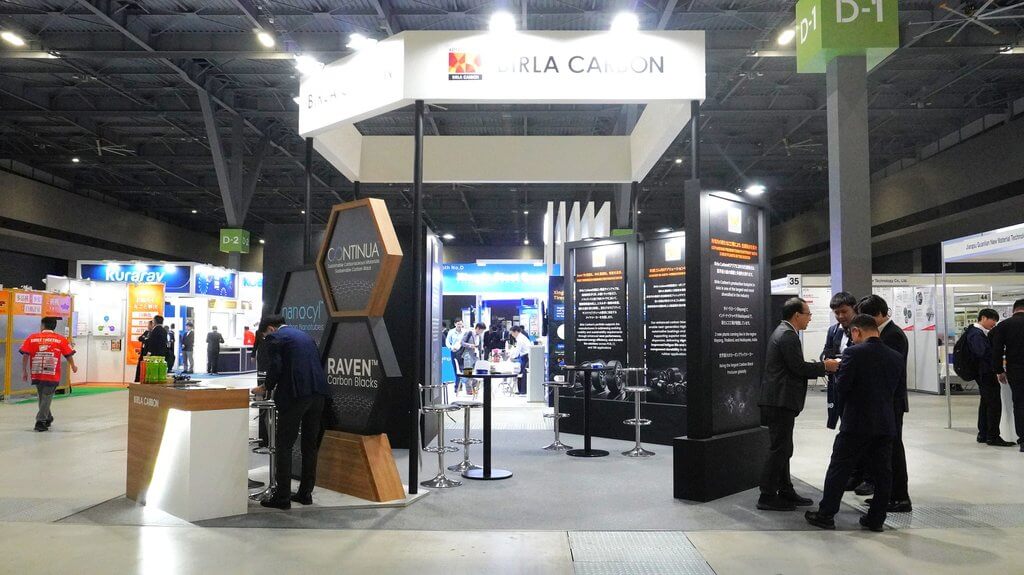
November 3–6: Rubber and Elastomer Technology Exhibition (Aichi Sky Expo)
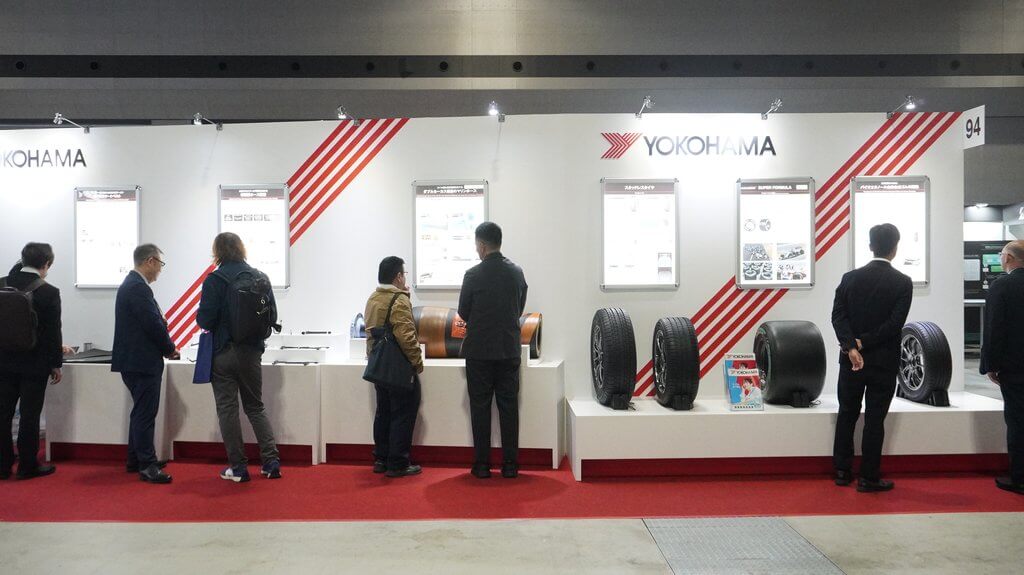
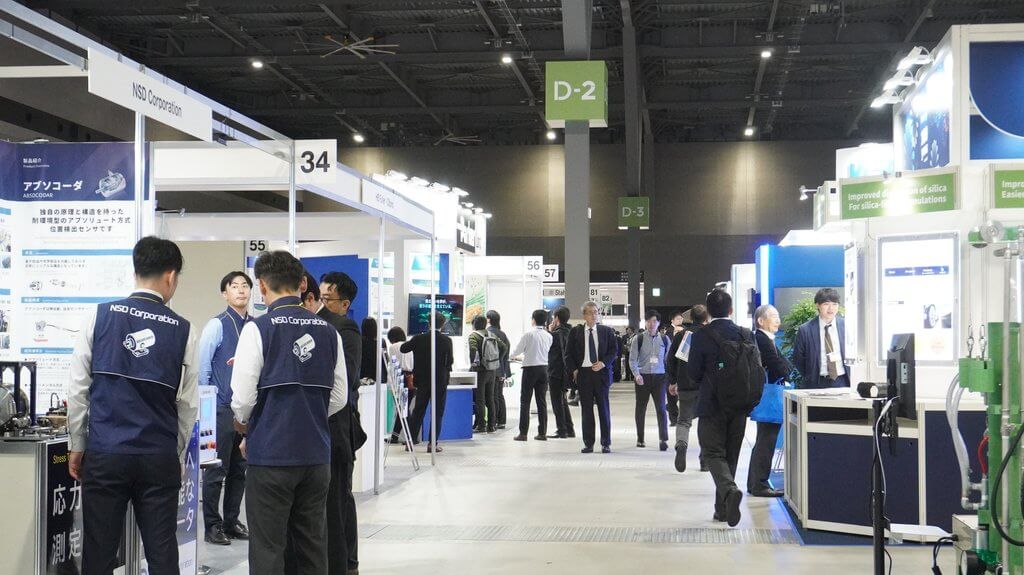
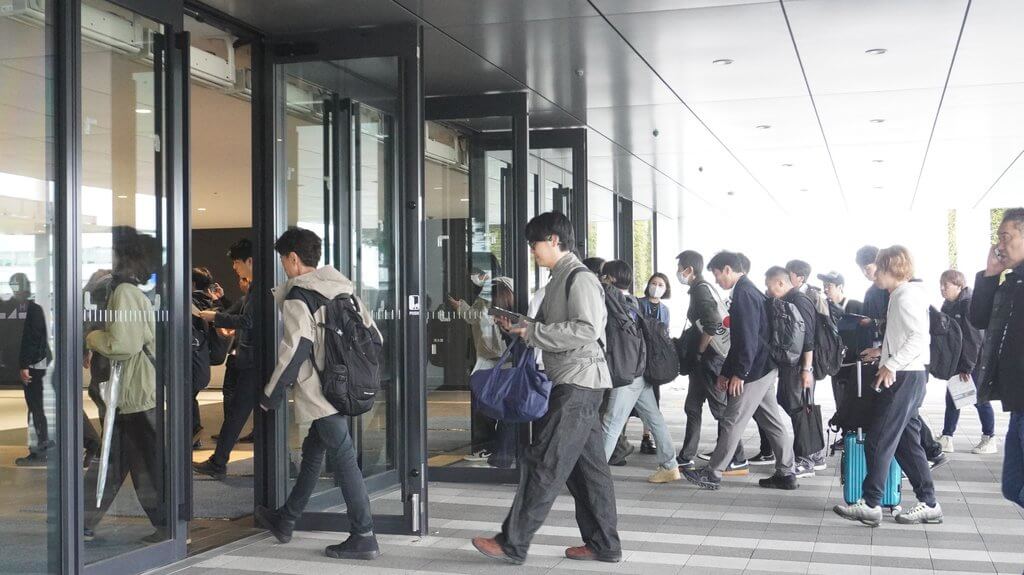
The exhibition was held at the same venue as the academic conference. A total of 118 companies from Japan and overseas exhibited, and 23 exhibitor seminars were held. The exhibition was expected to attract approximately 5,000 visits in total. Visitors could attend the exhibition without participating in the academic conference, and admission was free.
November 5: Banquet (ANA Crowne Plaza Hotel Grand Court Nagoya)
Aichi Prefecture’s Seminar, Networking Reception and Excursion in Conjunction with IRC2026 AICHI
In addition to the conference program, Aichi Prefecture organized 2 programs in conjunction with IRC2026 AICHI.
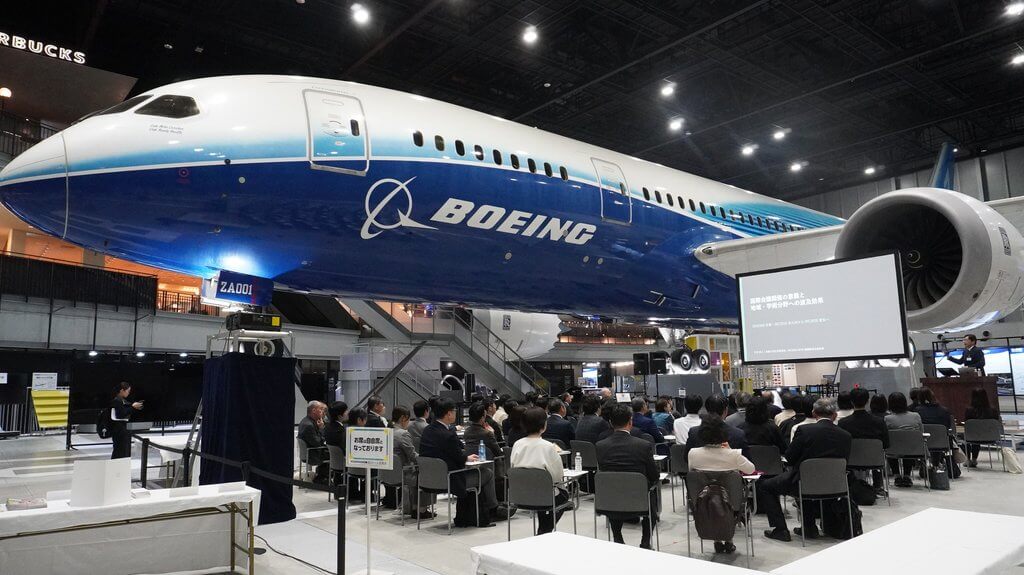
November 4: Seminar and Networking Reception (Flight of Dreams)
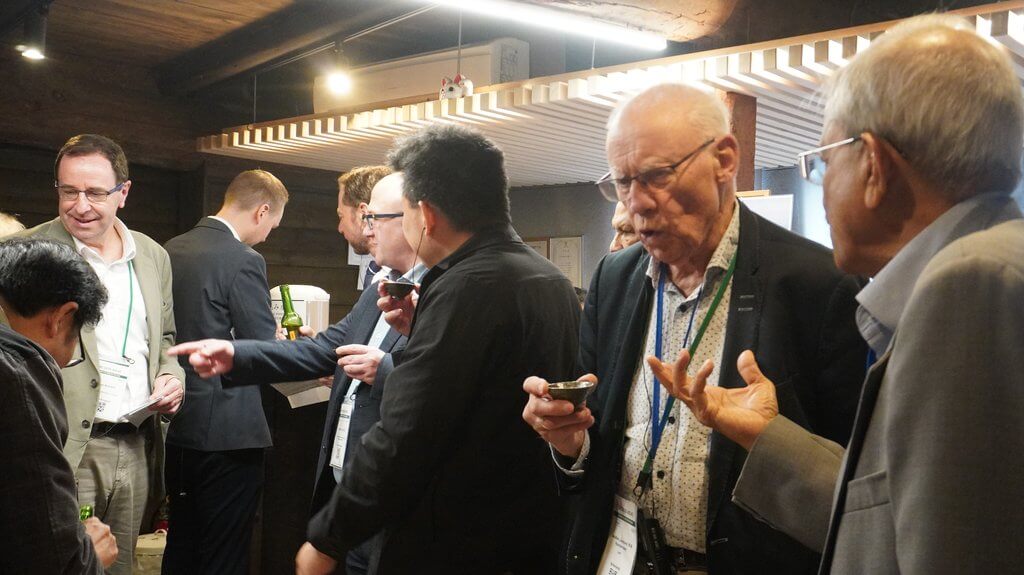
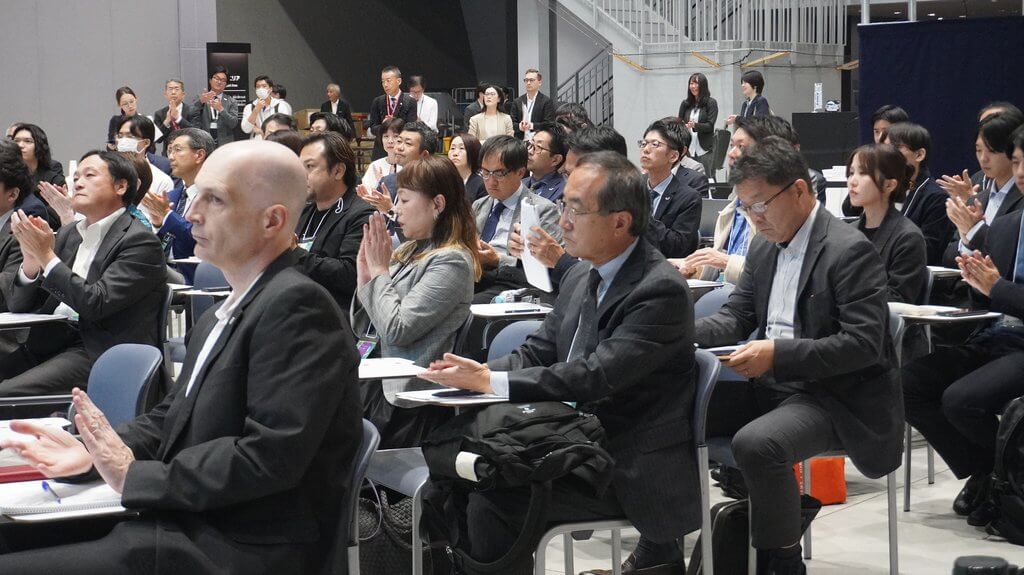
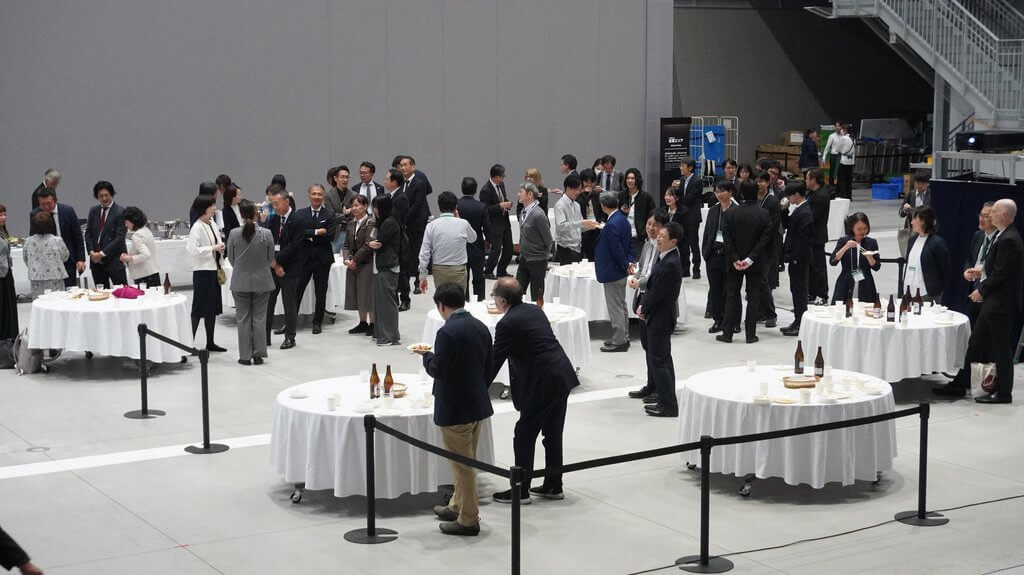
Following presentations by experienced conference organizers and briefings from support organizations, researchers and local stakeholders had opportunities to network.
November 5: Excursion (Tokoname)
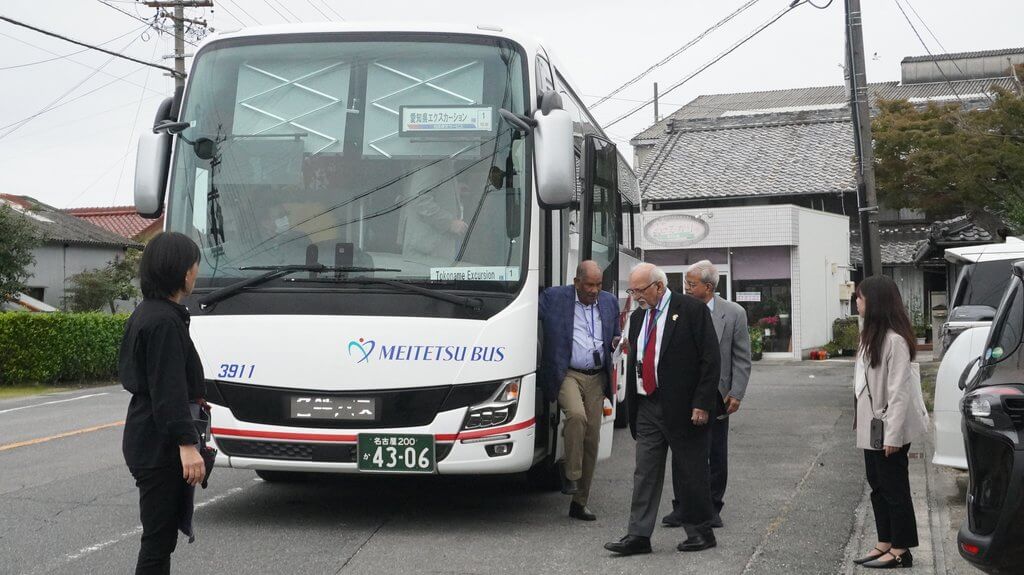
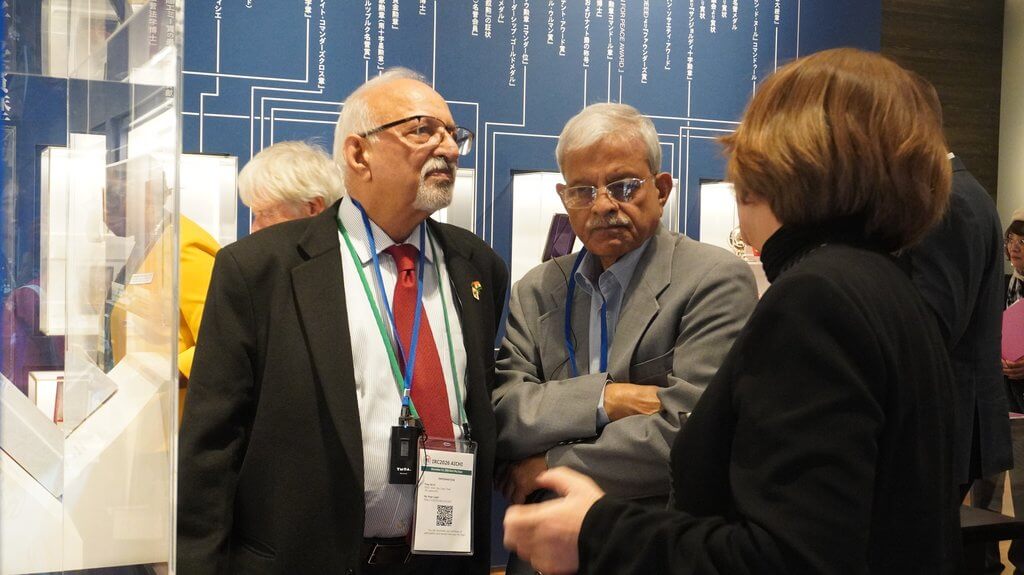
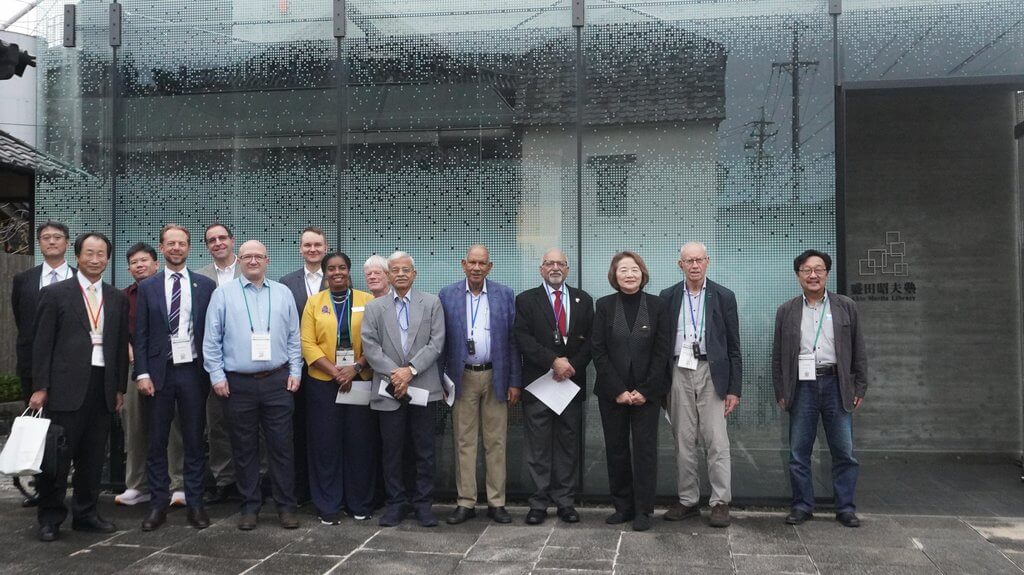
Approximately 30 people associated with IRC2026, including international participants, joined the excursion. They visited Sawada Sake Brewery, the Akio Morita Library and Morita Aji no Yakata in Tokoname, learning about the region’s brewing traditions and manufacturing history.
From Presentations to Networking: Flight of Dreams, with a Boeing 787 Right Beside the Event Space
On the evening of November 4, Aichi Prefecture held a seminar and networking reception titled “Understanding the Present and Future of International Conferences” at Flight of Dreams at Chubu Centrair International Airport. The event was designed for researchers and others in the university community interested in organizing international conferences.
The venue was Flight Park on the first floor, where the first Boeing 787 aircraft is on display. Approximately 60 chairs were arranged for the seminar.
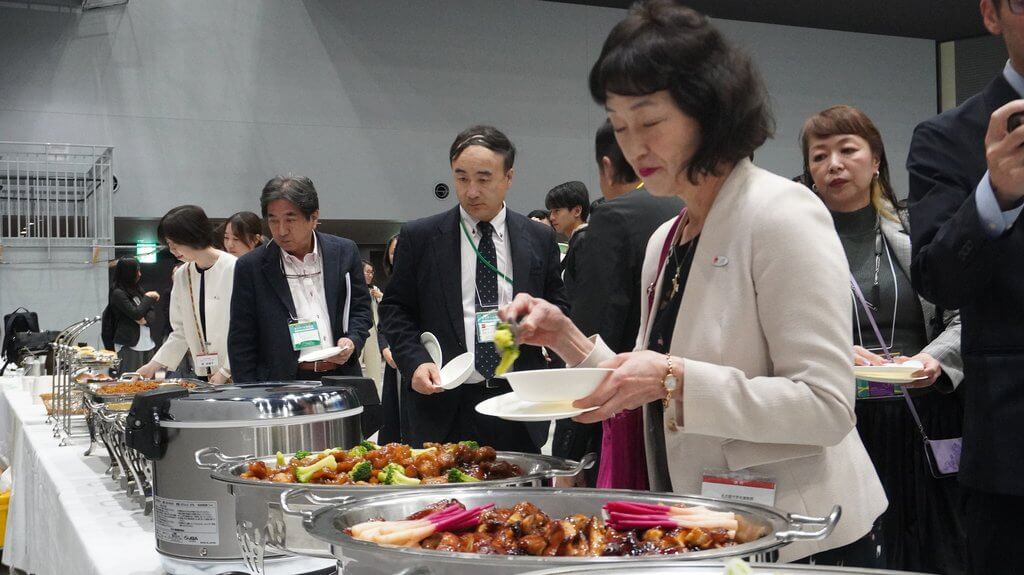
The menu included vegetarian options, hot dishes, desserts and drinks, showcasing what could be served at events that attendees might organize. Halal-friendly dishes were labeled. The event gave attendees an opportunity to envision the setting in which they could hold receptions and social gatherings during an international conference.
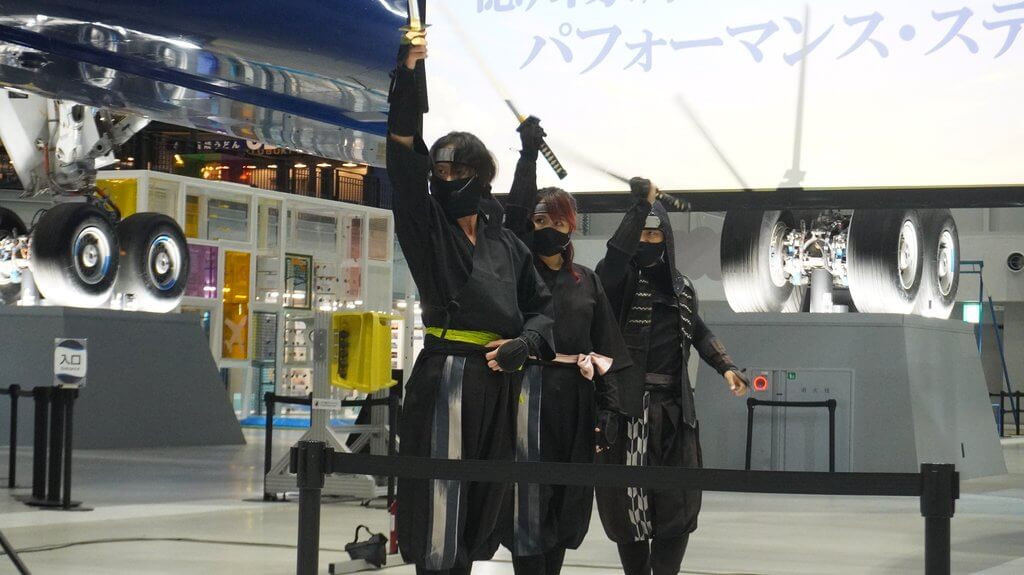
Performance by Tokugawa Ieyasu and the Hattori Hanzo Ninja Squad®
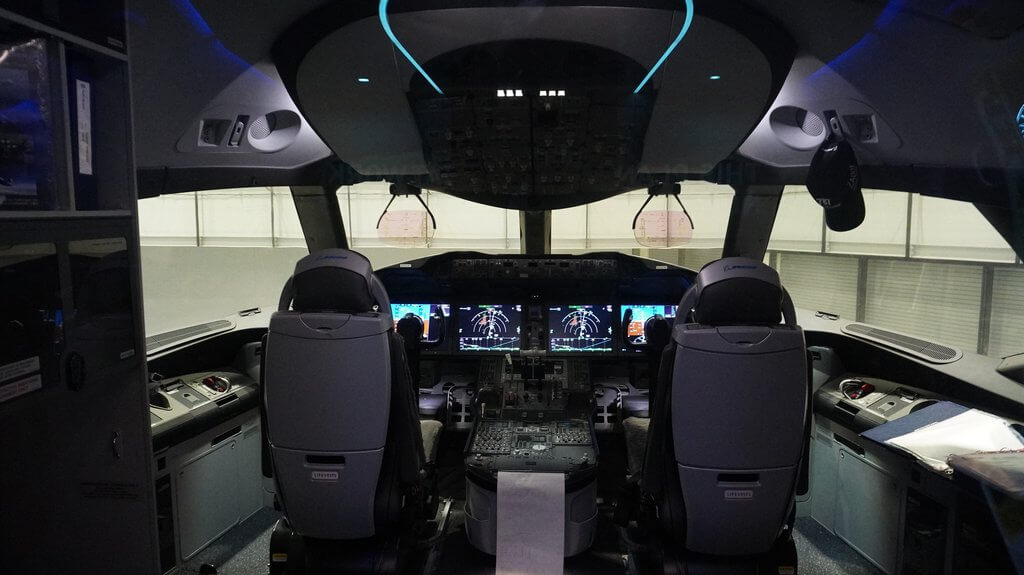
Cockpit visits are also available.
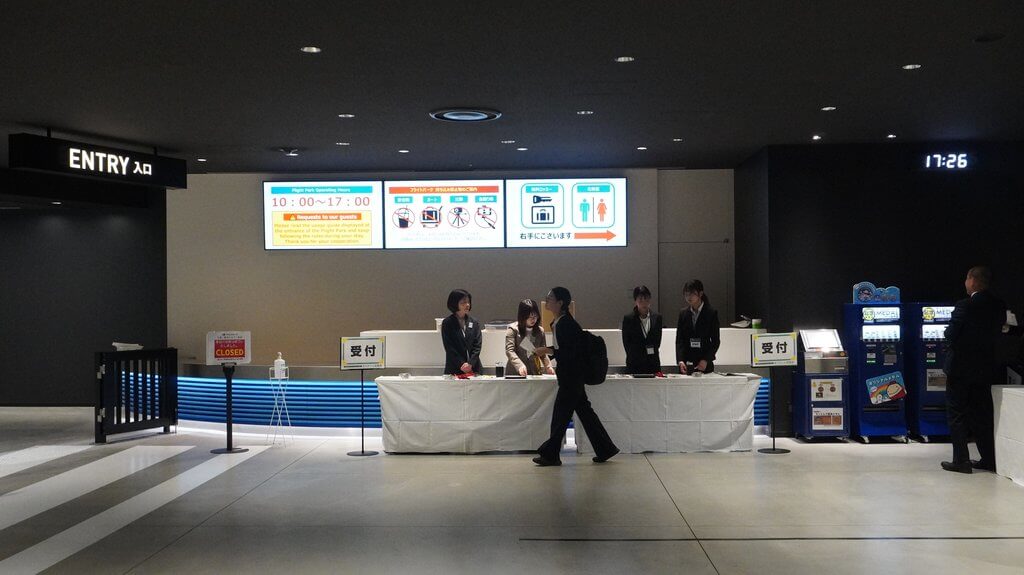
Reception desk
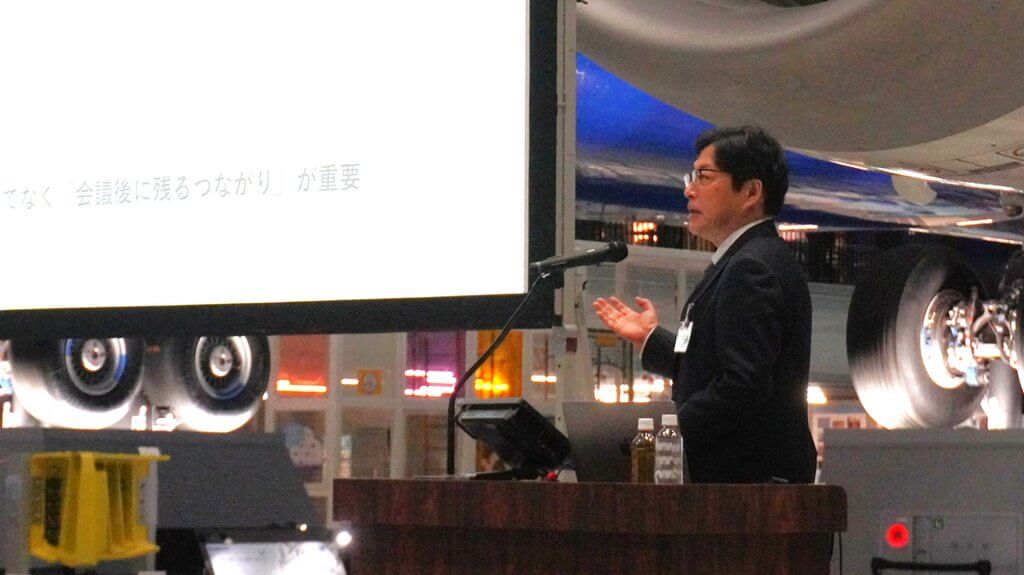
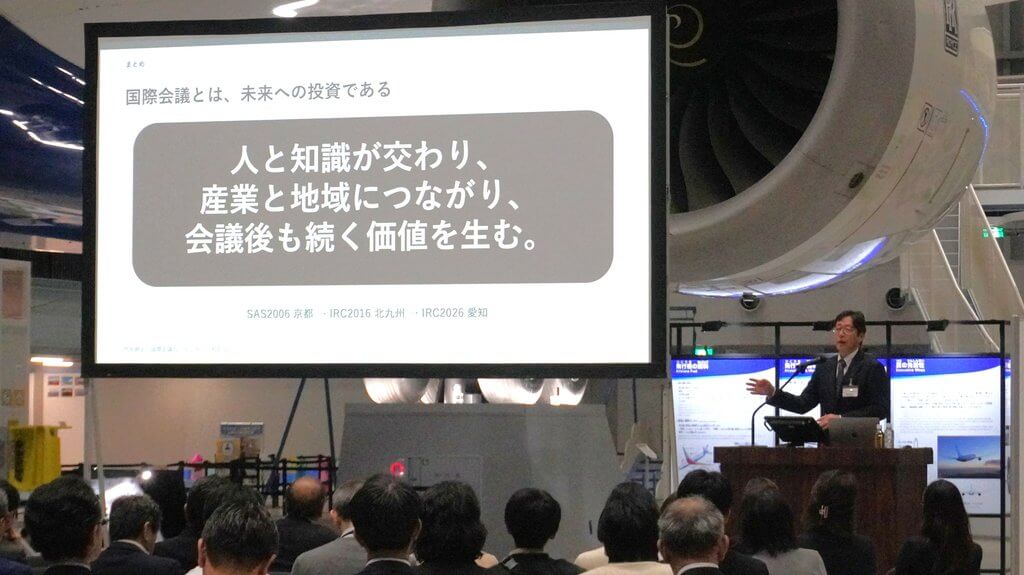
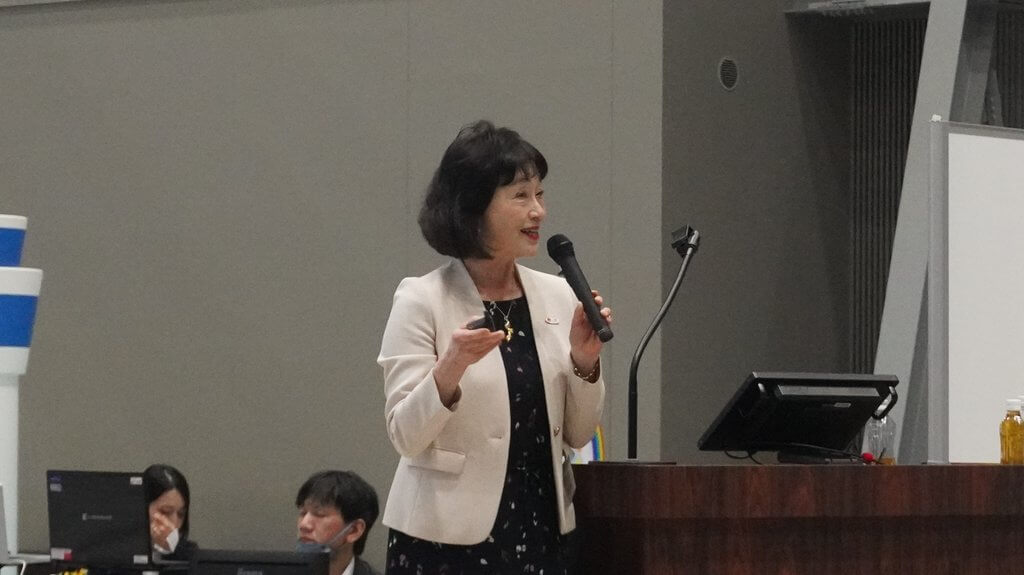
Organizing an International Conference Is an “Investment in the Future”: Mikihito Takenaka on the Value of Hosting Conferences
Mikihito Takenaka, chair of the IRC2026 AICHI Organizing Committee and a professor at the Institute for Chemical Research at Kyoto University, spoke about the benefits of hosting international conferences.
1. Academic Benefits
Conferences can lay the groundwork for new international research collaborations and provide opportunities for researchers in Japan to share their findings with the world.
2. Benefits for Industry
Conferences provide opportunities to translate research findings into practical products and technologies. They also facilitate technical exchanges between companies and help companies identify and share emerging challenges.
3. Benefits for the Host Region
In the medium term, conferences help build relationships between companies and between universities. In the long term, they contribute to building international recognition and trust in the host region.
Takenaka also discussed the professional connections and links across academic disciplines that remain after a conference ends.
In recent years, the weak yen and rising international travel costs have made it increasingly difficult for early-career researchers and students in Japan to attend international conferences overseas. Hosting conferences in Japan makes it easier to provide these researchers and students with opportunities to speak with researchers from overseas, ask questions and engage in discussions in English. Such experiences can also serve as a starting point for considering study abroad or international research collaboration.
“What truly matters is what remains after a conference ends: lasting connections between people and knowledge, the potential for new research collaborations, and trust in the host region and academic disciplines. Organizing an international conference is truly an ‘investment in the future,’” Takenaka said.
Funding and Accessibility: Considerations for First-Time Conference Organizers
Hiroko Tsukamura, professor emerita at Nagoya University and a MICE Ambassador for the Japan National Tourism Organization (JNTO), then spoke about successful international conferences, diversity and approaches to securing support.
When planning a conference for the first time, organizers need to consider how to secure funding, whom to invite as speakers and how to welcome attendees from a variety of backgrounds.
Tsukamura discussed opportunities for early-career researchers to meet diverse role models and considerations for making conferences more accessible. Drawing on her own experience, she explained that when applying for grants, it is important to understand the objectives of the call for applications and communicate the significance of hosting the conference.
MICE representatives from JNTO, the Nagoya Convention & Visitors Bureau and the Tokoname Tourism Association then highlighted the hospitality that Japan, and this region in particular, can offer.
Excursion: The Fermentation Culture and Entrepreneurial Spirit of the Chita Peninsula
International conferences sometimes include tours known as excursions, which give attendees opportunities to experience the culture and industries of the host destination.
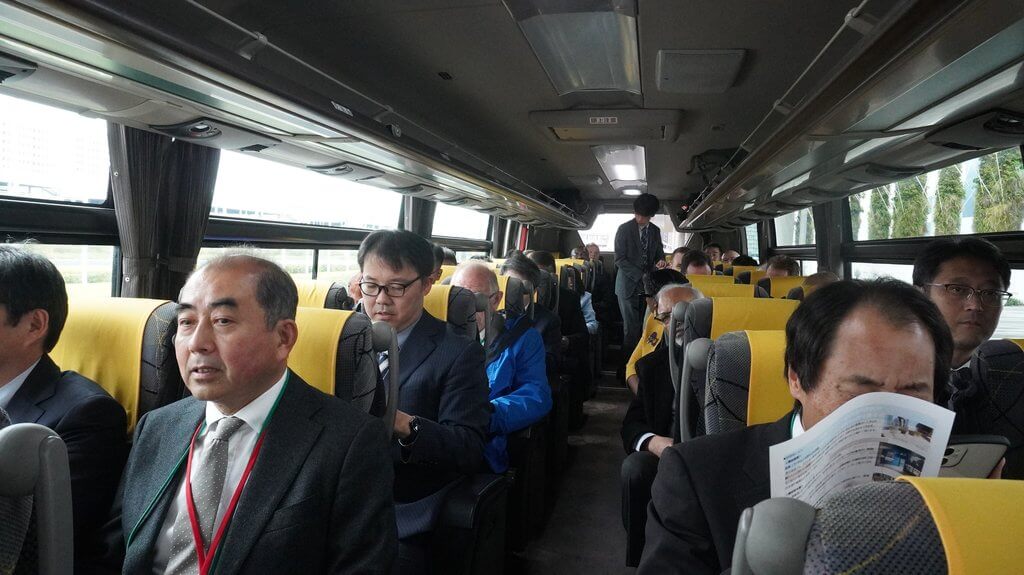
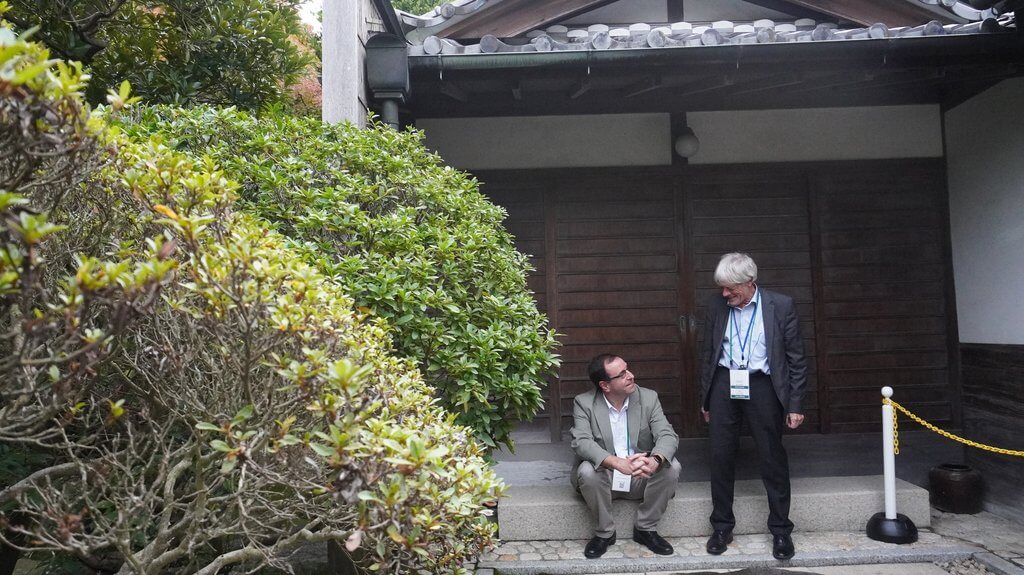
At IRC2026, approximately 30 people, including international attendees and organizing committee members, participated in an excursion in Tokoname, with the cooperation of the Tokoname Tourism Association. Approximately 90% of the participants were from overseas. Divided into 2 groups of 15, they spent the afternoon visiting Sawada Sake Brewery, the Akio Morita Library and Morita Aji no Yakata.
Excursion: A program offering opportunities to explore the host destination or participate in cultural experiences during breaks in the main conference or exhibition program.
The following sections introduce experiences to consider when organizing an international conference in Aichi, along with participants’ reactions at each location.
Sawada Sake Brewery: An English-Language Tour Led by the President, with Researchers Asking Questions About Sake Brewing in Tokoname
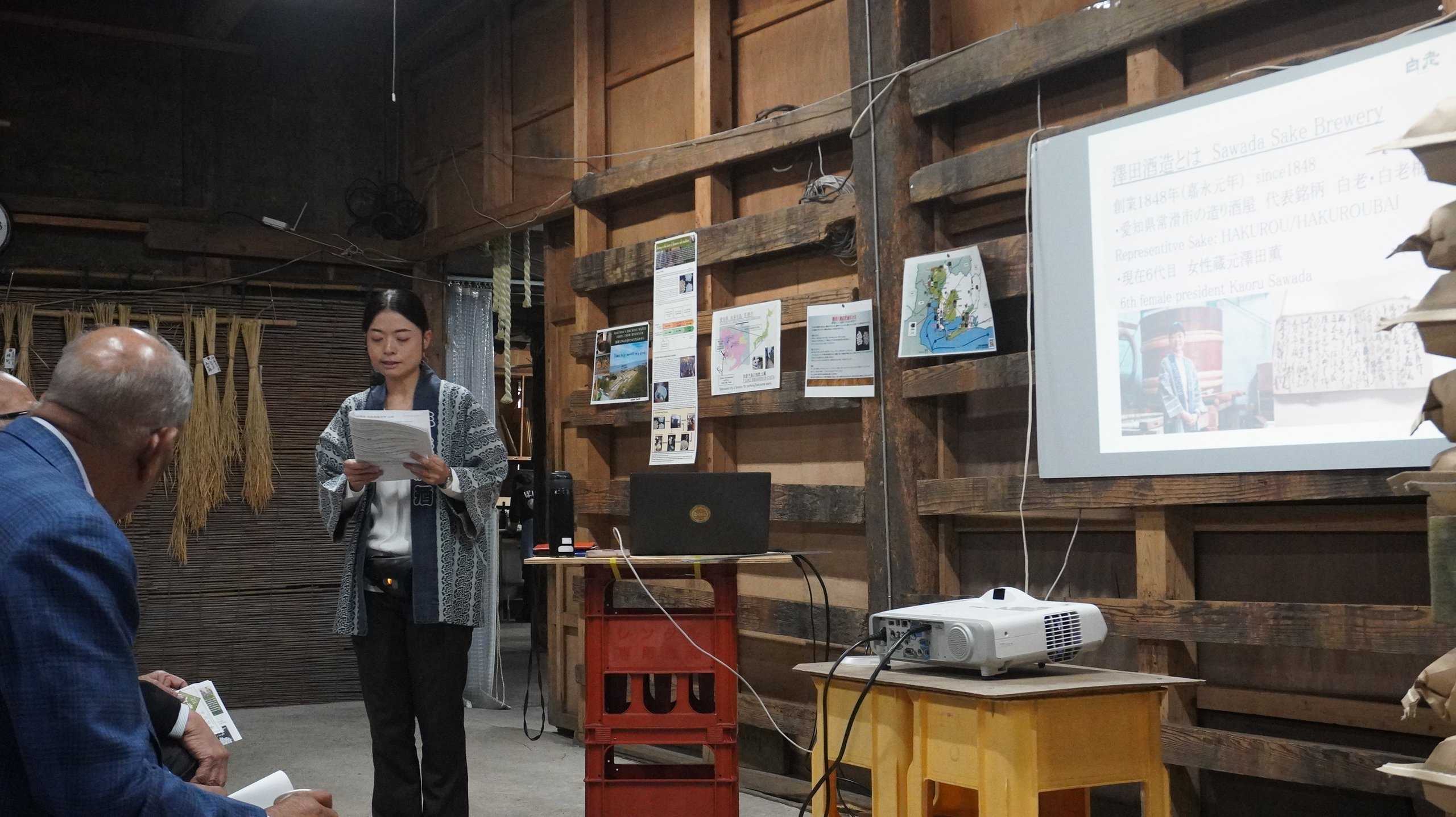
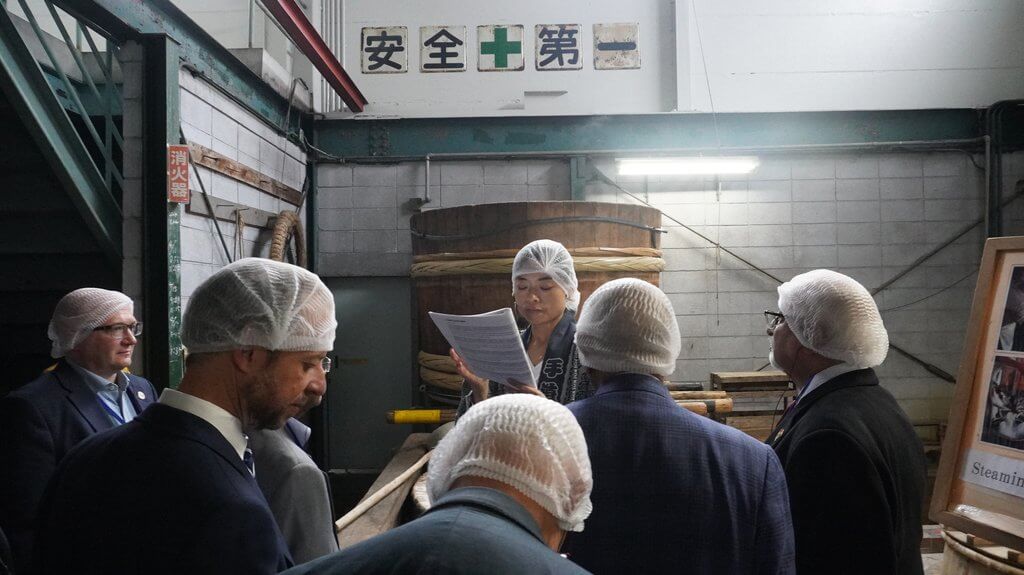
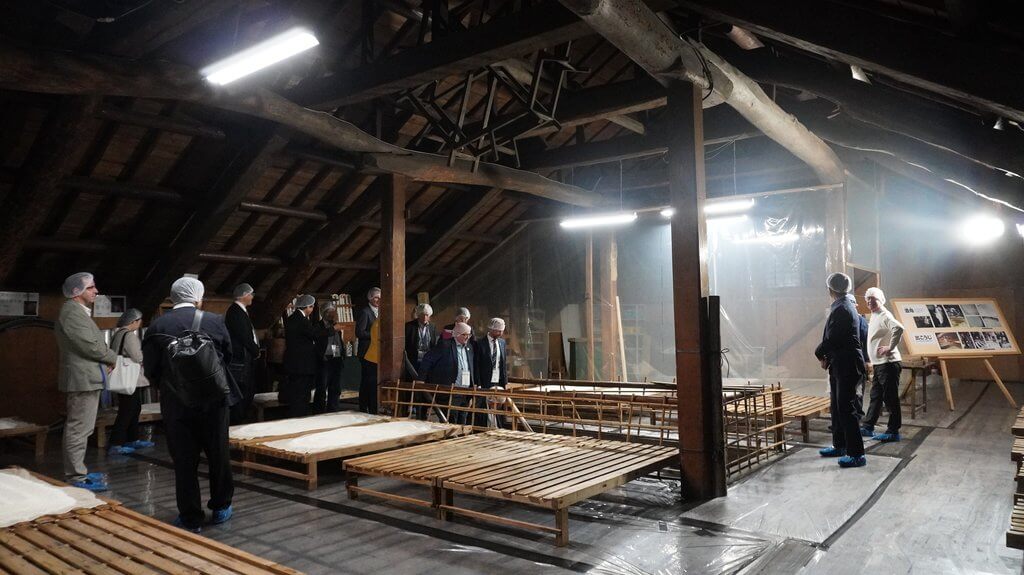
6th-generation president Kaoru Sawada personally leads the tour in English, giving participants opportunities to ask the sake producer questions directly.
The recommended visiting season begins in autumn. Participants also visited the sake starter (shubo) preparation room, which is not normally accessible to visitors.
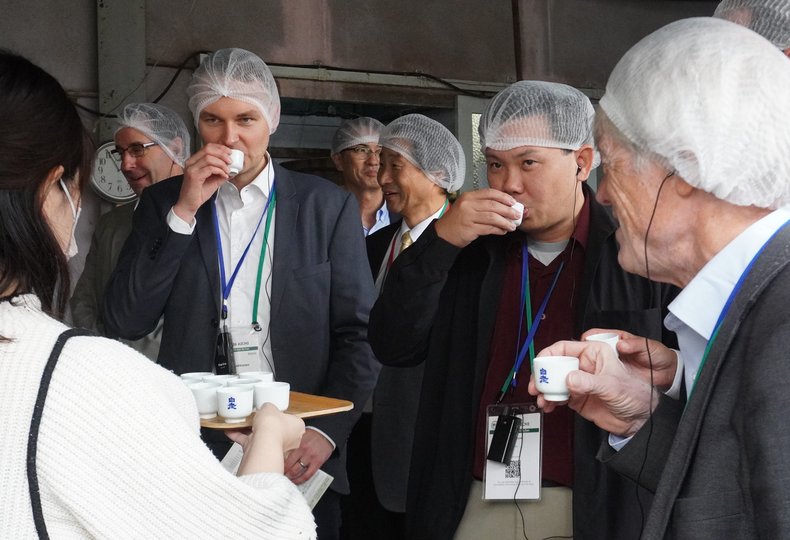
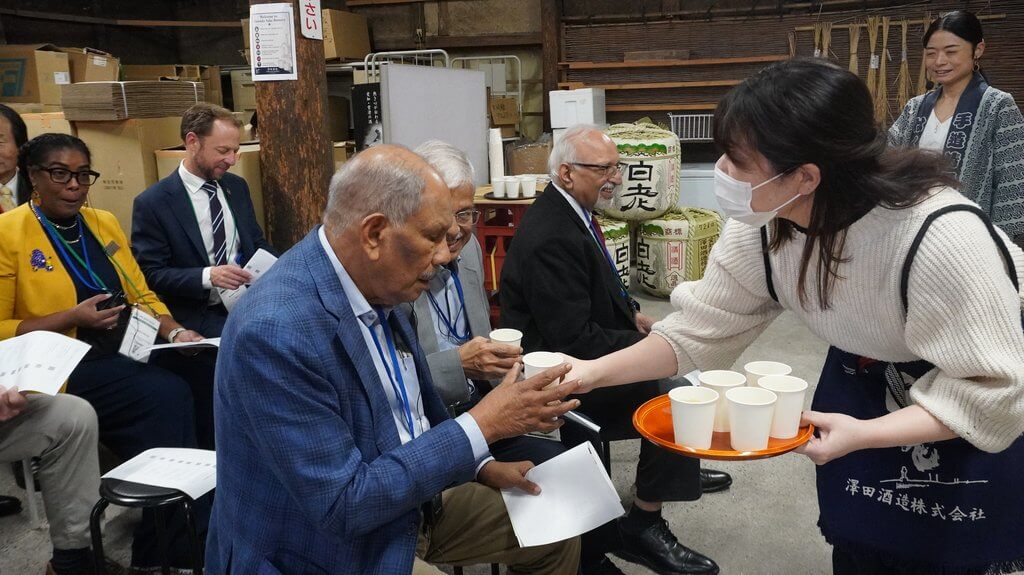
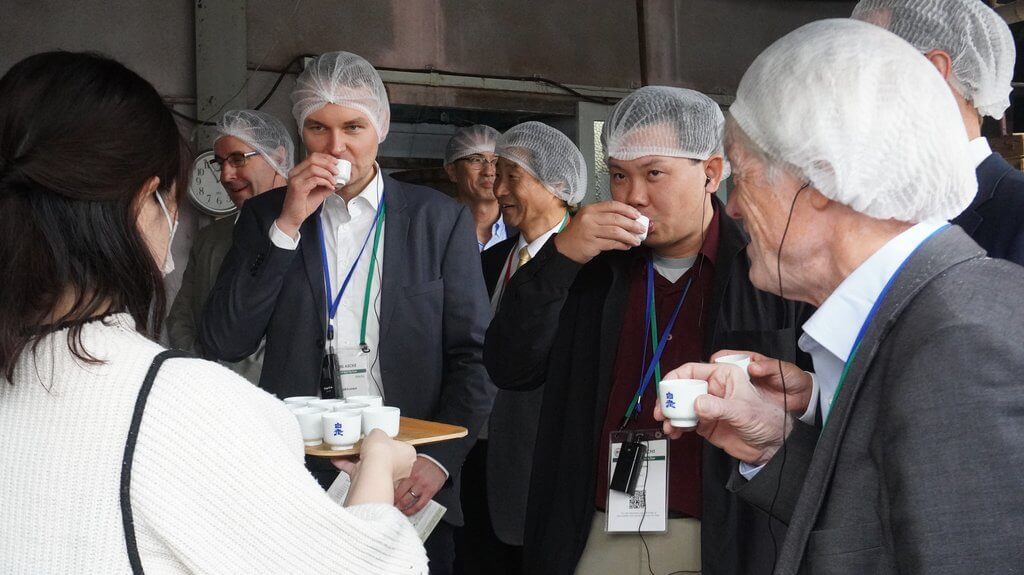
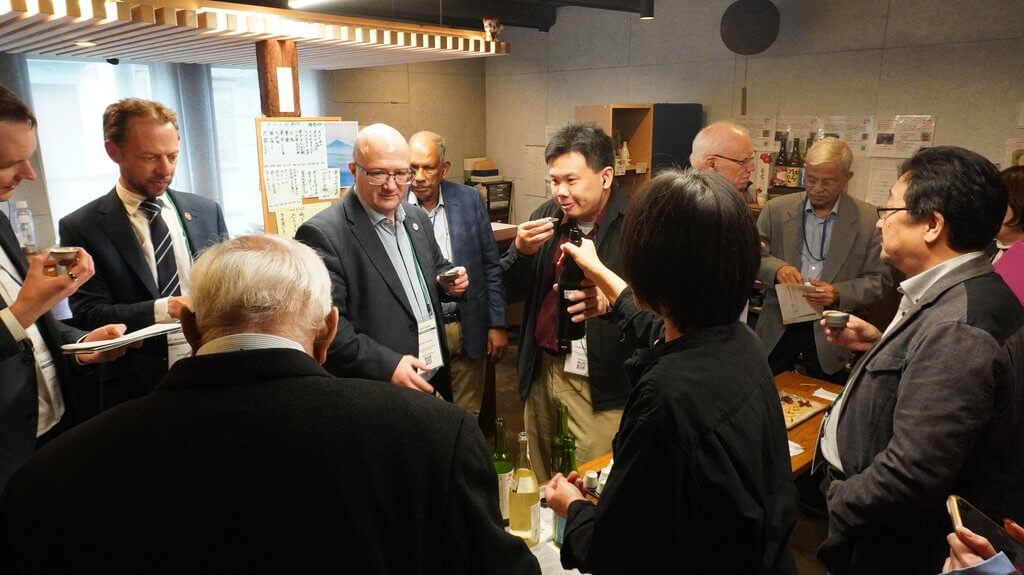
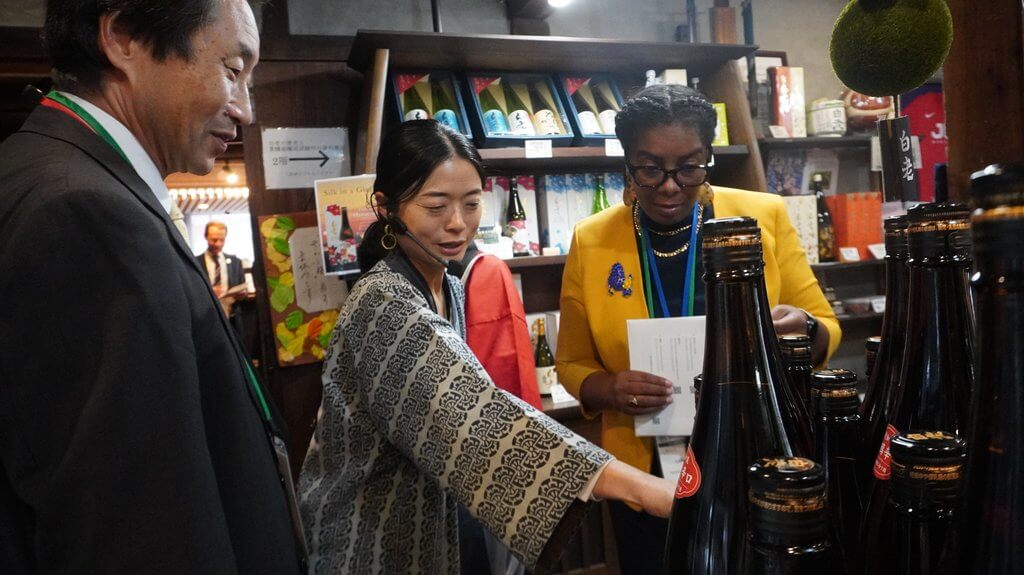
Participants can sample sake and plum wine and purchase their favorites as souvenirs.
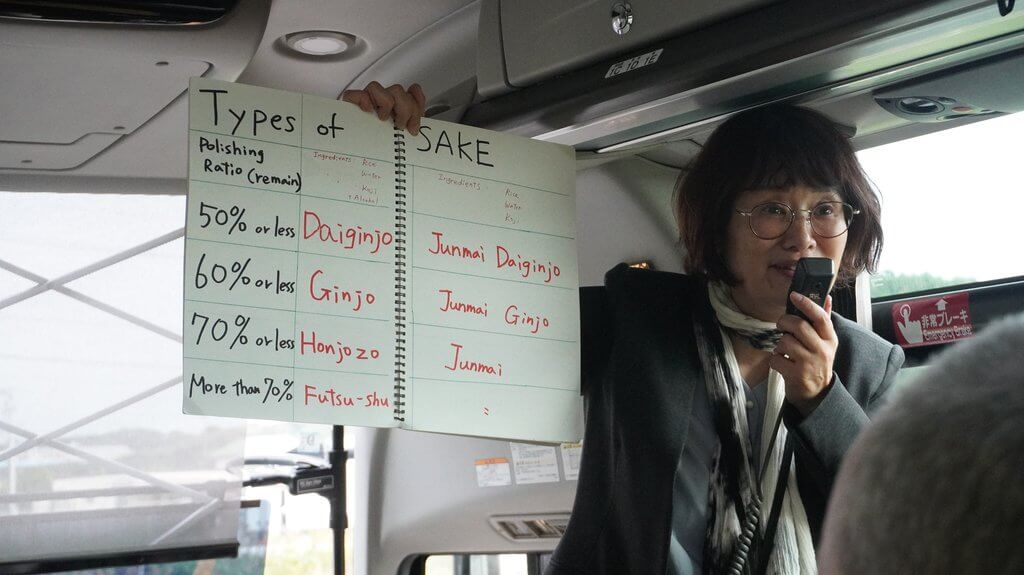
On the bus, the guide explained the basic steps of sake brewing in English. This provided international participants who were unfamiliar with Japanese sake with some background knowledge before entering the brewery.
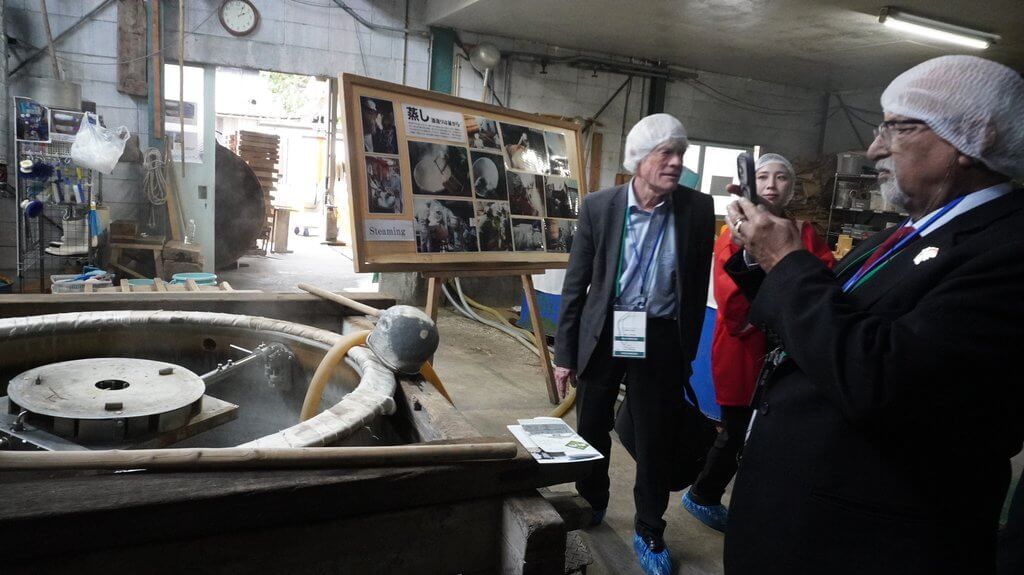
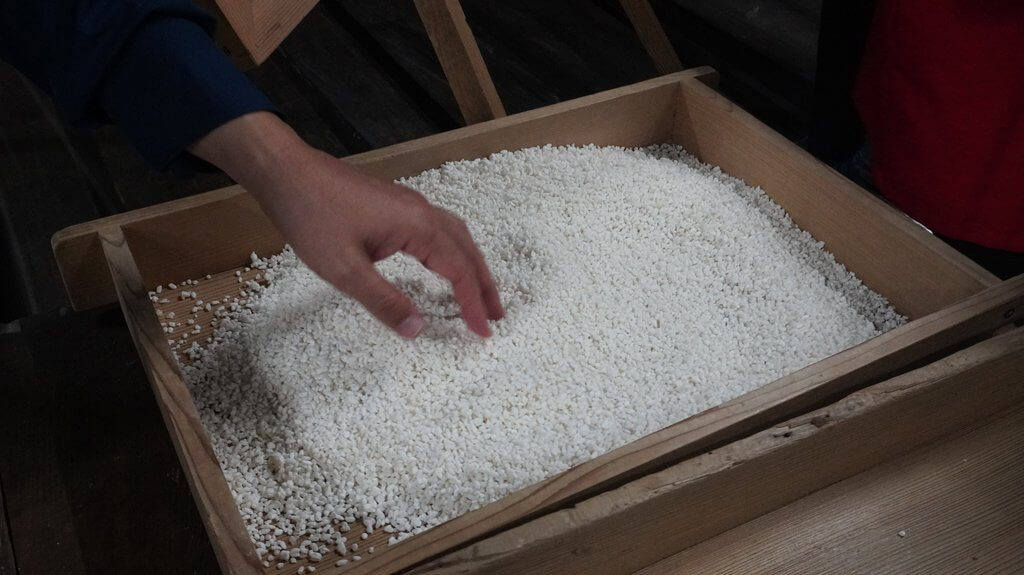
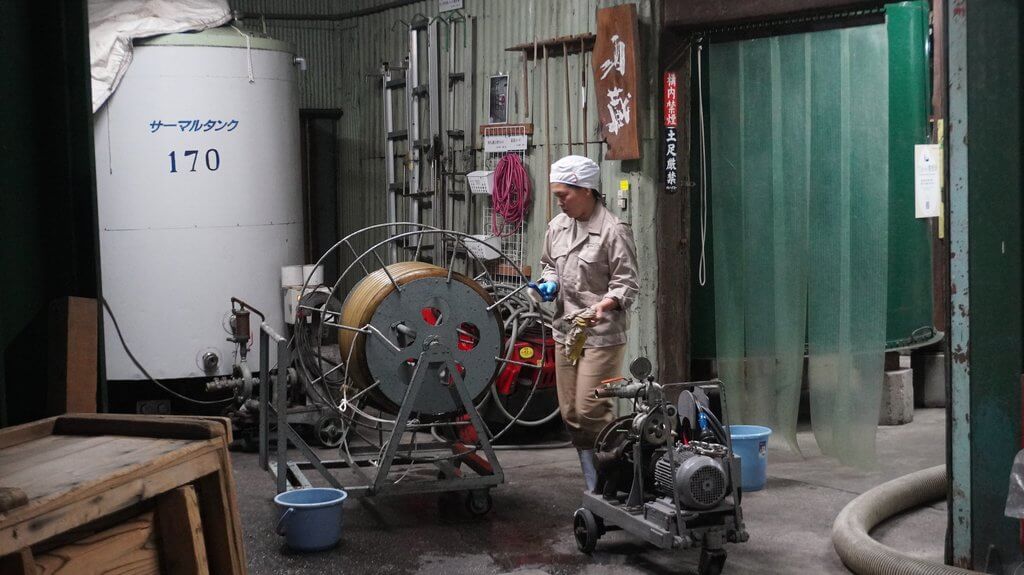
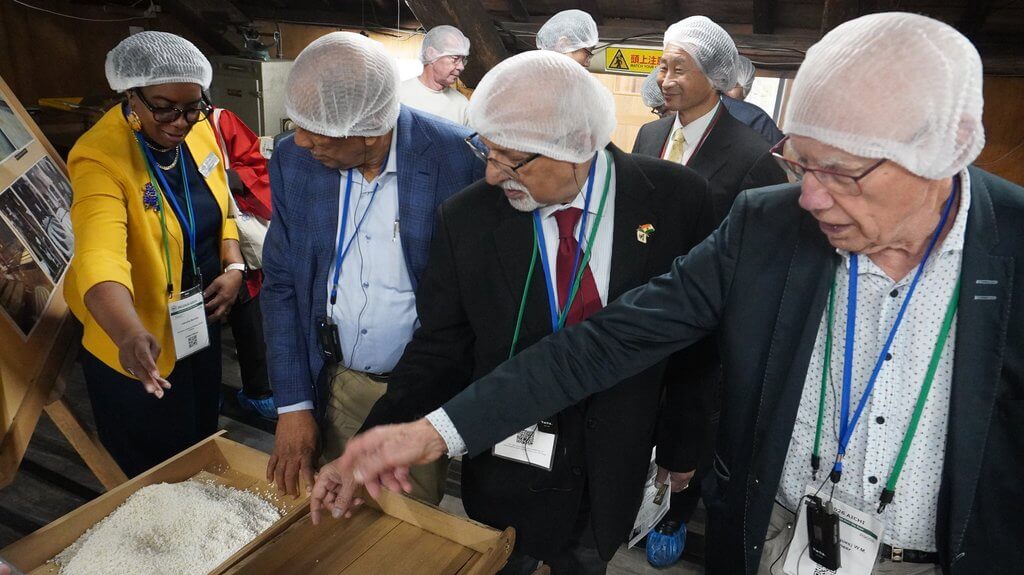
Founded in 1848, Sawada Sake Brewery continues to produce sake using traditional tools and manual techniques, including steaming rice in a wooden steamer known as a koshiki. Kaoru Sawada, the brewery’s 6th-generation president, guided participants through the brewery in both Japanese and English.
Sampling brewing water from springs in the surrounding hills
Traditional rice steaming using a wooden steamer and a Japanese cauldron
Making koji by hand
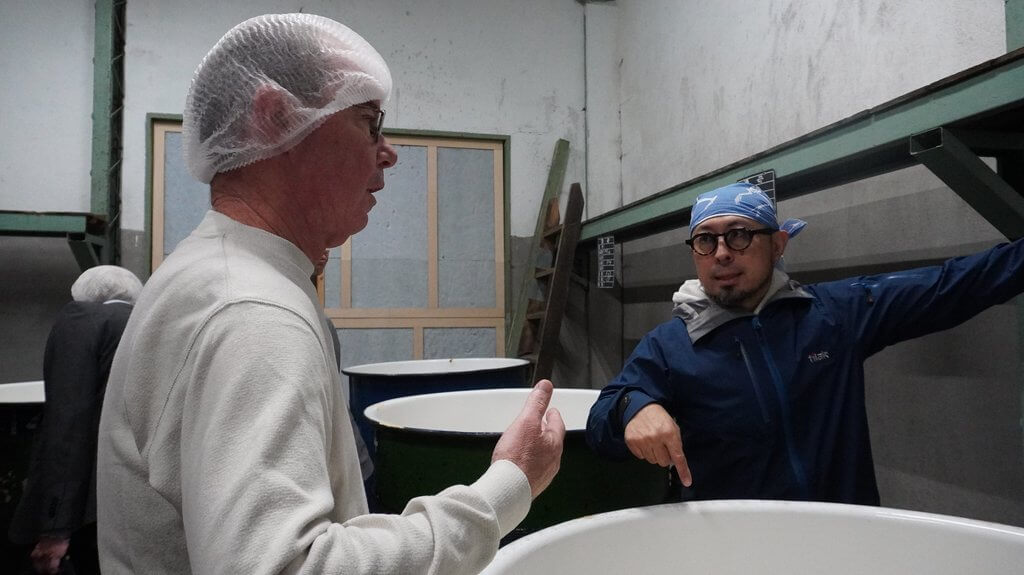
Tour of the sake starter preparation room
Participants were given special access to the sake starter preparation room, which is not normally included in brewery tours. Inside, there were fruity aromas reminiscent of bananas and apples.
Questions from Participants
“What types of energy are used for brewing and heating?”
“When does the brewing process begin?”
“What is the origin of the sake name Hakurou?”
“What processes do the raw ingredients go through to become sake?”
“How do differences in temperature and water affect the finished product?”
Although the researchers came from different fields, their shared interest in understanding production processes led to conversations with the sake producer.
Sampling Sake in Tokoname Ware and Taking Home a Favorite as a Souvenir
Following the brewery tour, participants sampled the local sake Hakurou and plum wine using Tokoname ware vessels. Participants could purchase products they enjoyed by filling out an order form.
Among those who purchased several bottles, one participant commented, “Her English was excellent, and it was great to have the president herself explain everything in English! Thank you. It was very insightful and informative.”
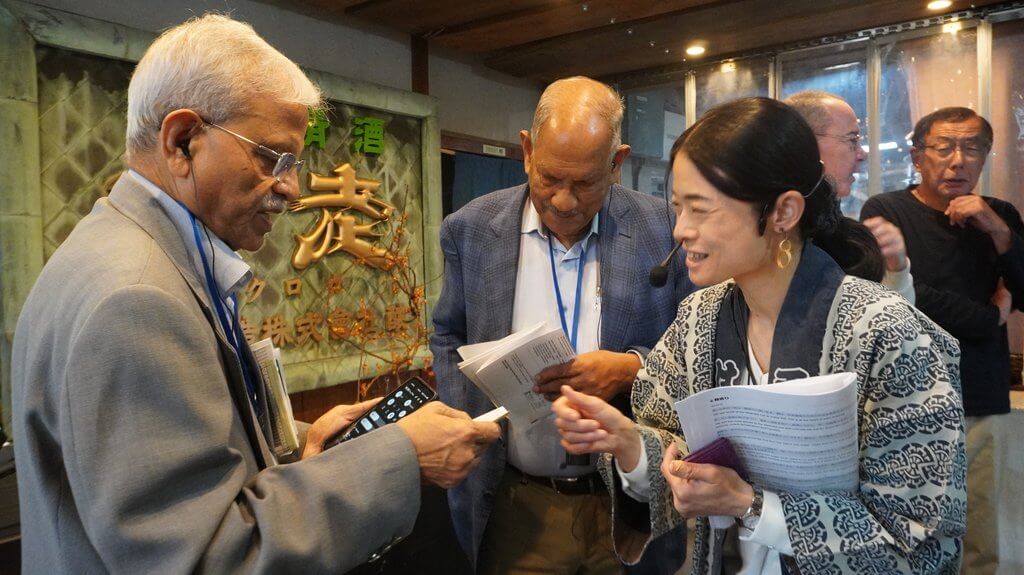
After the tour, some participants approached Sawada personally to express their appreciation.
“The explanations in English were easy to understand, and it was great to hear directly from the president herself,” one participant commented.
One of the Japanese organizers also commented, “It was extremely helpful that the brewery provided both the explanations and the experience without requiring any special advance preparation on our part.”
Autumn, when the sake brewing season begins, is the recommended time to visit.
Akio Morita Library: Why Did a Sony Co-founder Travel the World to Meet People? Exploring His Drive and Personal Connections
Explore the life and career of Akio Morita, one of Sony’s co-founders, and discover his drive and personal connections.
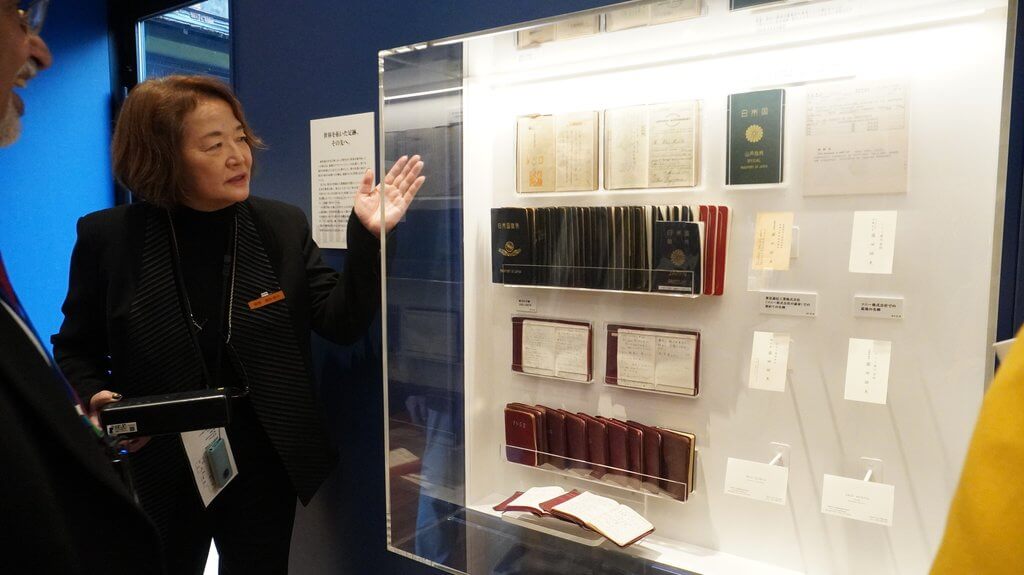
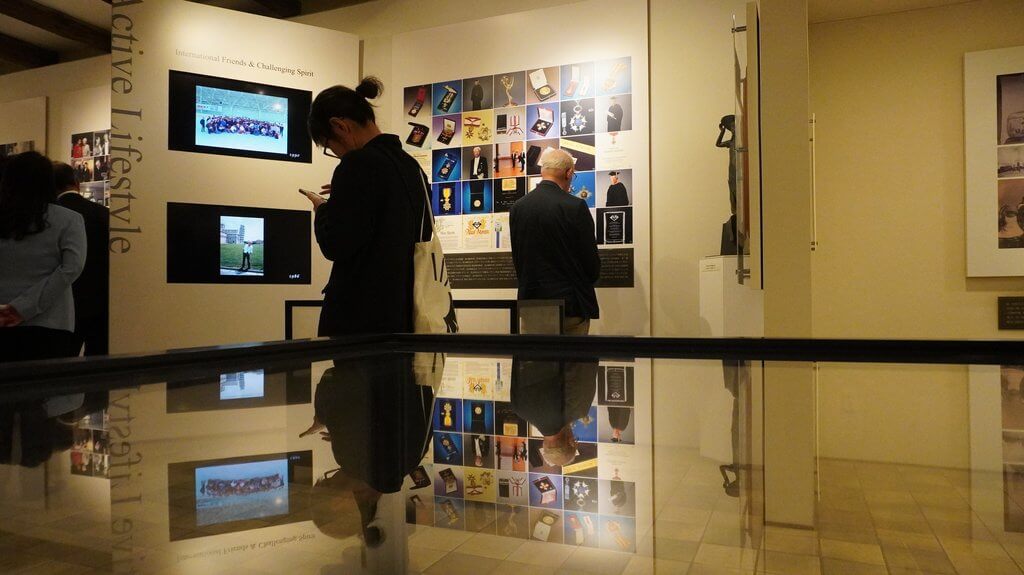
Library director Naoko Morita guides visitors through exhibits featuring his personal belongings, which trace the years he spent traveling the world to meet people.
Experience Aichi’s brewing traditions through food and drink, including sake, miso and soy sauce.
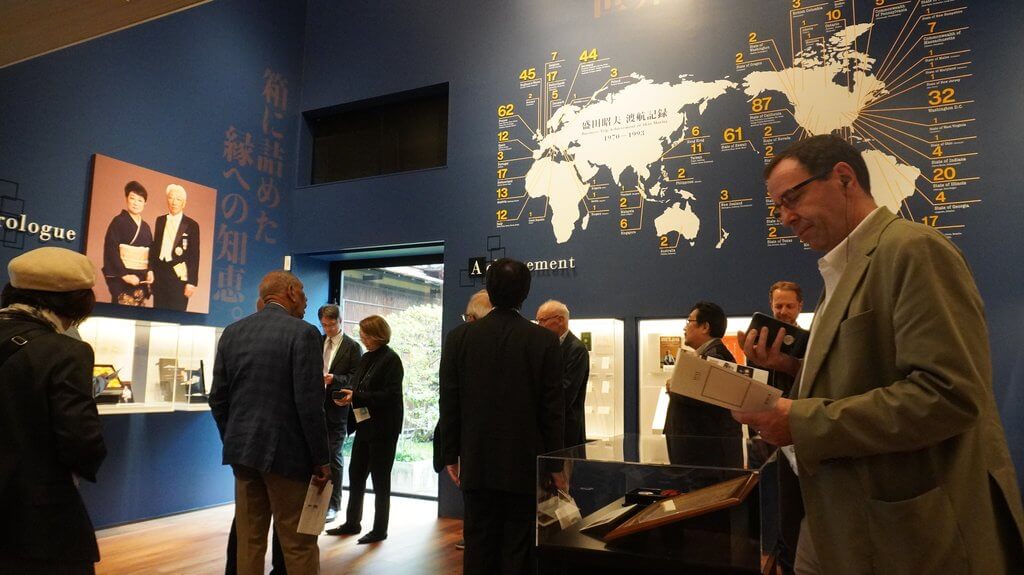
The next stop was the Akio Morita Library, which traces the life and career of Akio Morita, one of Sony’s co-founders. The visit was arranged at the suggestion of the conference organizers.
The tour was led by Naoko Morita, the eldest daughter of Akio and Yoshiko Morita and the director of the library. Using an English-language audio guide for international participants, the group spent approximately 50 minutes exploring the exhibits, with Naoko sharing personal experiences and anecdotes along the way. Participants were also seen taking photographs with her.
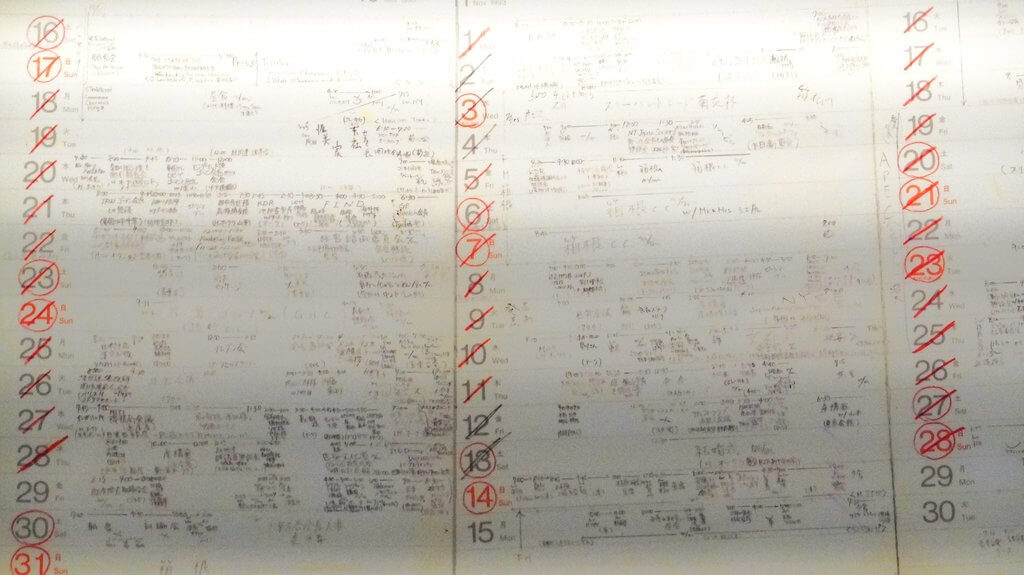
The exhibits offer insight into how Morita valued personal connections and repeatedly made the effort to meet people in person. His personal belongings, numerous passports and schedules recorded by his secretary provide a glimpse into his years of traveling to meet people face-to-face around the world.
He reportedly used his Falcon private jet to visit prominent figures and business partners in various countries. His densely packed schedules offer a striking illustration of how much he accomplished through his travels and meetings.
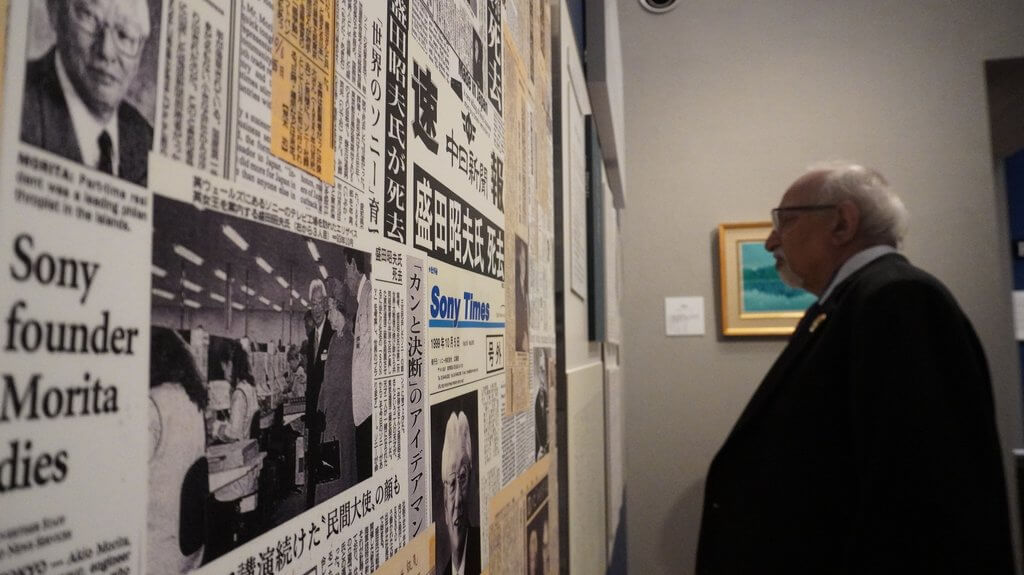
Sony is known internationally. Tracing the life of one of its co-founders reveals the people who supported his pursuit of new technologies and business ventures: his wife Yoshiko, his family, colleagues and the people he met through his work. The exhibits also convey the spirit of innovation that drove him to venture out into the world from postwar Japan.
During the excursion, participants were also guided through the adjacent Reikei Museum, housed in a storehouse.
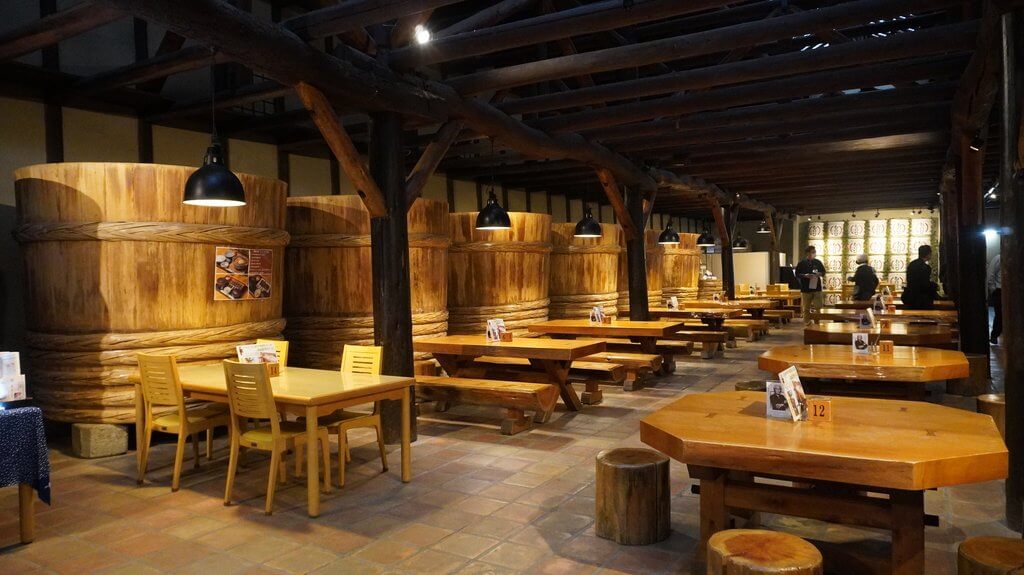
Morita Aji no Yakata: A Sony Co-founder’s Roots in Tokoname’s Sake Brewing Tradition and a Taste of Local Brewing Culture in an Edo-Period Miso Storehouse
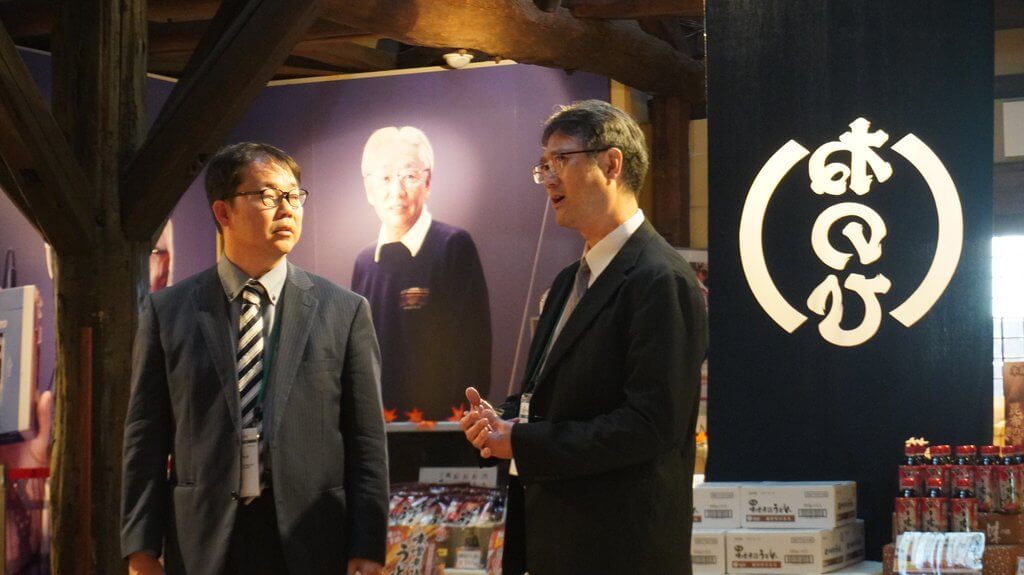
Morita Aji no Yakata is operated by Morita Co., Ltd., a brewing company founded in 1665. Akio Morita was the 15th-generation head of the Morita family. The roots of a man who expanded his business around the world can be traced back to sake brewing in Tokoname.
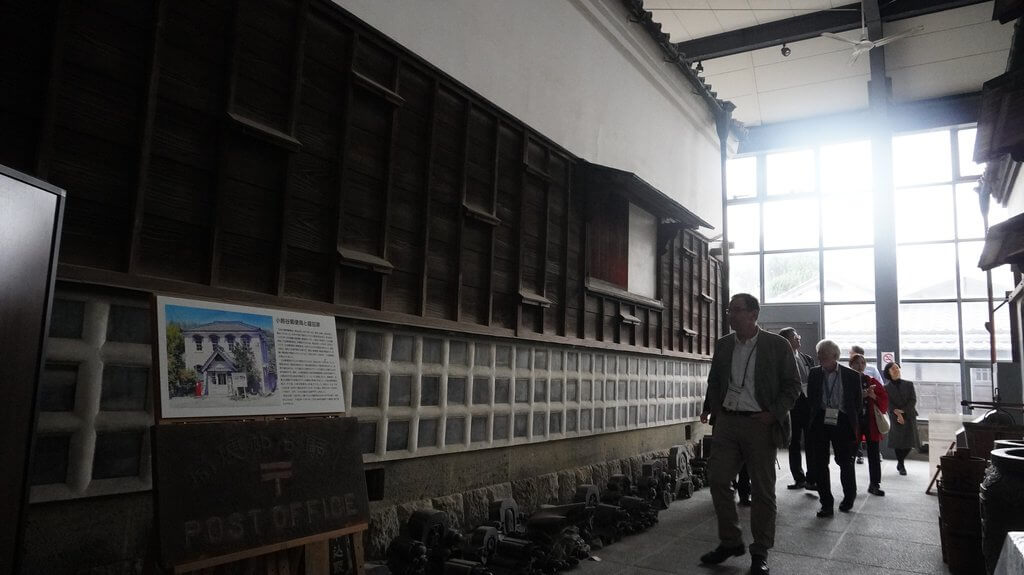
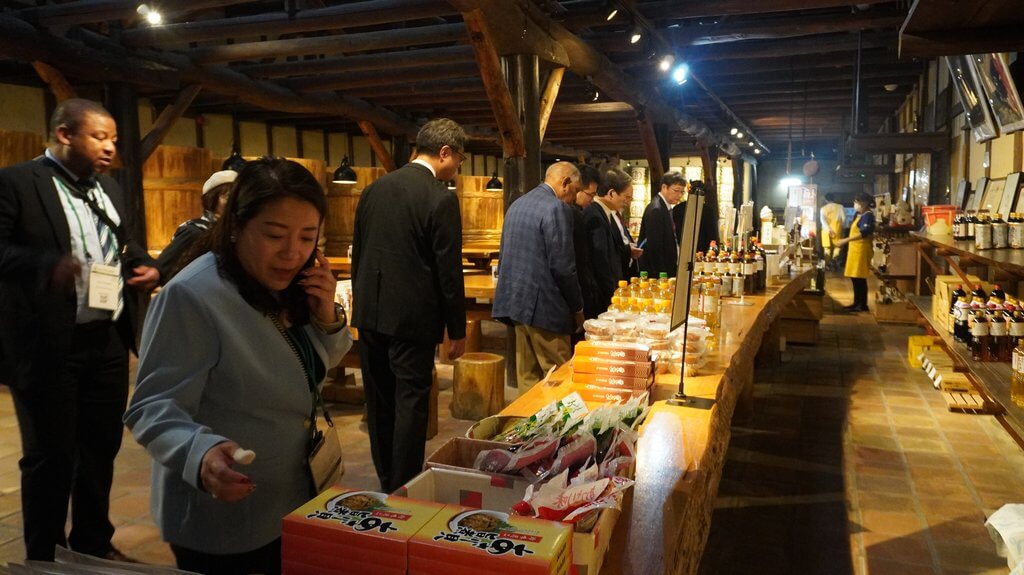
The facility occupies a repurposed miso storehouse dating back to the Edo period. Natural light enters through skylights, and large cedar barrels line the interior. Through exhibits on brewing, visitors can learn about the traditions of sake, miso and soy sauce production that have been passed down in the region.
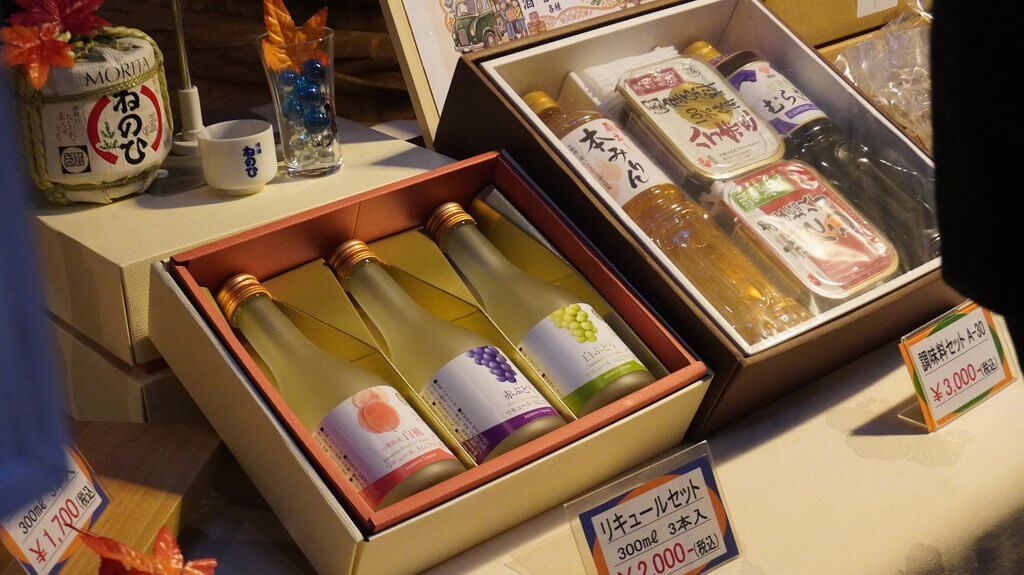
The shop offers products including Nenohi sake, Hatcho miso, tamari soy sauce, tsuyu soup base and mirin. Visitors can also enjoy dishes such as miso nikomi udon, noodles simmered in miso broth; miso dengaku, food served with a miso glaze; and miso oden, a simmered dish prepared with miso.
At the Akio Morita Library, participants learned about Morita’s life and career. At Morita Aji no Yakata, they experienced the brewing traditions that have been carried on through the family business. Including both facilities in the same itinerary allowed participants to explore Aichi’s manufacturing heritage through the people who developed its technologies and the history of the region.
Why Not Consider Aichi for Your First International Conference?
You may want to share your research with the world or provide early-career researchers and students with opportunities to speak directly with researchers from overseas. Organizing an international conference is one way to turn these aspirations into reality. Relationships formed at a conference and questions raised during discussions can lead to further research long after the event ends.
In Aichi Prefecture, including Tokoname, the setting for this report, organizers can draw on the region’s concentration of industries and research institutions to develop programs that combine academic presentations with industry exhibitions and technical visits.
The networking reception and excursion covered in this report also provided opportunities for dialogue outside the conference venue, from conversations beneath the wings of an aircraft to questions directed at the sake producer during the brewery tour.
For first-time conference organizers, questions may arise about funding, venue selection and welcoming international attendees. A starting point is to tell local support organizations whom you would like to attend and what kinds of discussions and connections you hope to foster. With the objectives of the conference in mind, you can then explore specific venues, excursion destinations and the support you may need.
Those interested in organizing academic or international conferences in Aichi Prefecture can contact the International Tourism and Convention Division of the Aichi Prefectural Government or the Aichi-Nagoya MICE Promotion Council, whose secretariat is operated by the Nagoya Convention & Visitors Bureau. Consider reaching out even at the initial planning stage of your conference.
Izan Co., Ltd. — Director / Editor-in-Chief, MICE TIMES ONLINE I started my career at Izan as an intern in 2021. Since then, I’ve built broad experience in virtual tour production, social media management, online seminar operations, and trade show participation. I love good food and snacks, and I enjoy staying active. I’m also active on LinkedIn.
MICE TIMES ONLINE is a Kyoto-based web media platform dedicated to MICE, conventions, and events. We deliver news and insights from Japan and across Asia, with the concept of “Capturing the Now of MICE” — staying on top of the latest trends and developments in the industry. We welcome contributions of information as well as inquiries regarding potential business partnerships.