
MICE Basics 22: What Is a Technical Visit? How Does It Differ From a Factory Tour? Learning About Regional Industries and Technologies Through Technical Visits
Technical visits are sometimes included in international conference and academic meeting programs, taking participants away from the venue to companies, research facilities and other sites. A water conference might include a visit to a wastewater treatment plant, while a materials research conference might introduce participants to traditional ironmaking. Companies also arrange such visits to study production management and business practices. What does a technical visit involve? This article explains its role in MICE, presents examples from Japan and abroad, and examines the challenges of hosting visits.
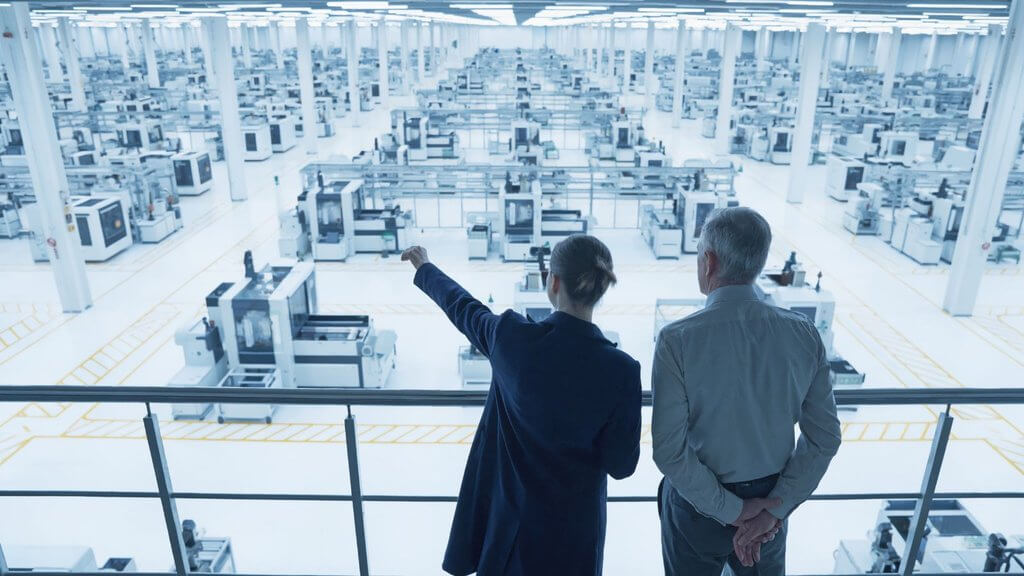
Technical visits bring conference and training themes into the field
A technical visit takes participants to a company, research institution, government agency or other working site to learn about technology, research or business operations. In MICE, the destination is connected to the theme of a conference or training program.
Destinations extend beyond factories to disaster prevention facilities, water treatment plants and medical facilities. Some programs combine an explanation of the facility, a tour and a question-and-answer session. Visitors cannot necessarily observe experiments or operations. What they can see depends on how the facility operates and what it permits visitors to access.
Excursions can also involve learning and discussion
In MICE, the term “excursion” is also used for visits and activities associated with a conference. An excursion is a program of local exploration or cultural experiences arranged between conference or exhibition sessions. Excursions therefore cannot simply be classified as tourism and technical visits as learning. Their scope also overlaps with factory tours and industrial tourism. Beyond the program’s name, it is necessary to consider why participants are visiting and what they will learn on site.
Further reading on excursions
MICE Basics 14: Excursions That Help MICE Events Succeed: Planning That Improves Participant Satisfaction and Builds Local Connections
Technical visits are included in conference programs and corporate training
International conferences and academic meetings may arrange visits to facilities related to their themes during or after the event. These visits give participants a chance to see equipment and local initiatives alongside research presentations and discussion. Corporate training visits can focus on production methods, human resource development and business management. In the Hamamatsu, Lake Hamana and Iwata area, visits are offered on topics including workplace improvement and changes in working practices.
Fees vary by program. At Australia’s IHEA National Conference 2024, technical tours were included in full conference registration. At IAIA24 in Ireland, a separate fee was set for each technical visit course. Both had conditions concerning registration and capacity.
Source: IHEA National Conference 2024, “Technical Tours”
https://icebergevents.eventsair.com/ihea-national-conference-2024/technical-tours
Source: IAIA24, “Technical Visits”
https://2024.iaia.org/technical-visits/
Programs in Japan explore regional industries and technologies
Learning about tatara ironmaking at an international conference in Matsue
ALC’24, an international conference on atomic-level characterization of new materials and devices, was held at Kunibiki Messe in Matsue in November 2024. Alongside research presentations, it offered a program on tatara ironmaking. Participants split into courses that visited sites including the Iron History Museum and Sugaya Tatara Sannai, where they learned about the region’s connection to this method of iron production. They then watched a demonstration of “mini tatara,” a small-scale recreation of the ironmaking process, at Shimane Winery in Izumo.
The visit connected a conference on materials research with an ironmaking technique preserved in the region.
Source: Matsue Convention Bureau, “International Conference ALC’24 Held”
https://www.matsue-cvb.jp/%E3%80%8C15th-international-symposium-on-atomic-level-characterizations-for-new-materials-and-devices-alc24%E3%80%8D%E9%96%8B%E5%82%AC/
Learning about improvements on the manufacturing floor in Hamamatsu
Technical visits in the Hamamatsu, Lake Hamana and Iwata area introduce topics such as the Toyota Production System and manufacturing improvements at Somic Ishikawa Inc., decarbonization and changes in working practices at Tokiwa Kogyo Co., Ltd., and the integration of agriculture and welfare at Kyomaru-en Co., Ltd. According to an article published by the Somic Group, its program initially focused on explaining the company’s technology. Participants asked for concrete examples they could apply to their work, so the program was changed to include examples of production methods and improvement activities. Participants learn about how employees work as well as the equipment.
Source: Hamamatsu, Iwata and Lake Hamana Technical Visit Project, “Technical Visits”
https://technicalvisits-japan.com/ja
Source: Somic Group, “Turning the Value of Manufacturing Sites Into a Tourism Resource Through Technical Visits”
https://brand.somic.inc/archives/98
Learning how food waste generates electricity in Yokohama
The Yokohama City Visitors Bureau lists the J Bio Food Recycle Corporation Yokohama Plant as a technical visit destination. The plant separates organic matter from food waste and uses gas produced through methane fermentation to generate electricity. Its visit program includes an explanation of the plant and food recycling, as well as a tour of equipment such as fermentation tanks. Participants learn about the relationship between food disposal and energy use at the site where the waste is processed.
Source: Yokohama City Visitors Bureau, “J Bio Food Recycle Corporation Yokohama Plant”
https://business.yokohamajapan.com/mice/ja/technicalvisit/%E6%A8%AA%E6%B5%9C%E5%B7%A5%E5%A0%B4/
Overseas visits cover subjects from water treatment to regional environmental management
Visiting wastewater treatment plants during an international water conference in Canada
At the IWA World Water Congress & Exhibition in Toronto in 2024, University of Waterloo researchers helped organize a technical tour that took participants to wastewater treatment plants in Hespeler and Elmira. The university reported that participants saw equipment using a water treatment technology that supplies oxygen through membranes. The visit showed how technology discussed at the conference was used at operating facilities.
Source: University of Waterloo, “Showcasing innovation: Water Institute researchers at leading international conference in Toronto”
https://uwaterloo.ca/water-institute/news/showcasing-innovation-water-institute-researchers-leading
Visiting hospitals and an equipment manufacturer in Australia
The official program for IHEA National Conference 2024 in Melbourne offered visits to the new Footscray Hospital, then under construction, and the Victorian Comprehensive Cancer Centre. Another course visited an emergency lighting manufacturer’s factory to see departments involved in development, testing and manufacturing. At this conference concerning health care facilities, both hospitals and an equipment manufacturer that supports such facilities were visit destinations.
Source: IHEA National Conference 2024, “Technical Tours”
https://icebergevents.eventsair.com/ihea-national-conference-2024/technical-tours
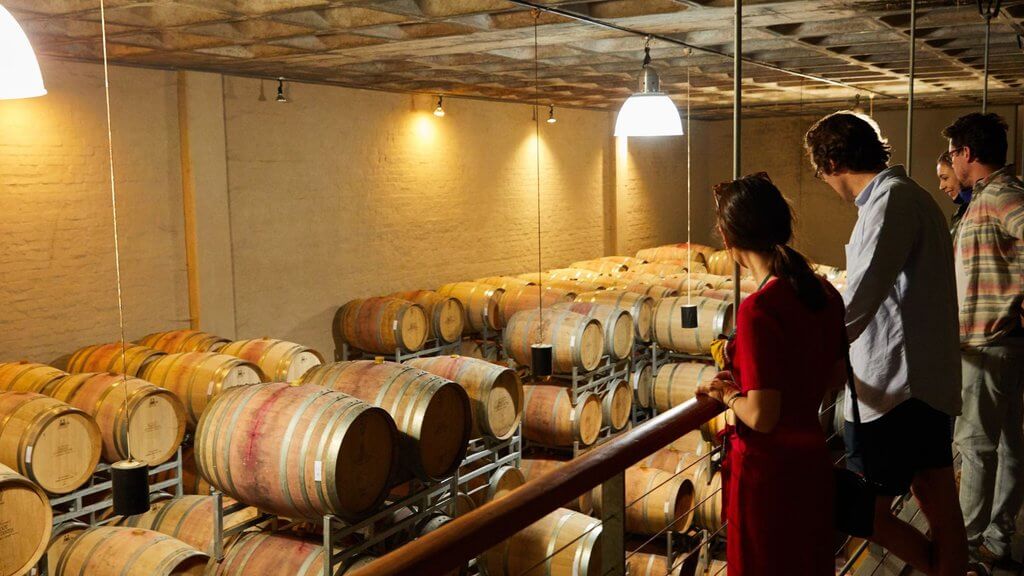
Preparing to host technical visits
When planning a technical visit, organizers need to understand what participants want to learn and match that with what the host can show and explain. Even at the same factory, the explanation will differ depending on whether participants want to learn about production technology, operational improvement or human resource development.
Hosts must also balance visits with their regular work. Guided tours and question-and-answer sessions require staff time. Deciding how many people to accommodate, how often to host visits and who will handle each task, then setting fees that reflect preparation and hosting work, all affect whether visits can continue.
The scope of access must also be checked. Entering a facility does not necessarily mean visitors can observe operations or experiments. Photography and participation by people from competing companies may also be restricted. Hosts should explain the visit content and participation conditions in advance to avoid a gap between the program and participants’ expectations.
For participants from overseas, organizers may also need interpreters who can handle technical explanations and questions. Responsibilities for coordination with the host, transport and guidance on the day should be clearly assigned.
How does an open factory differ, and can it be part of a technical visit?
An open factory initiative gives people outside a company access to its factory so they can better understand its work and products through tours and manufacturing experiences. A technical visit is a site visit intended to teach participants about technology, research or operational systems. In MICE, participants visit sites related to the theme of a conference or training program. These may include research institutions and public facilities as well as factories.
The two can overlap: “open factory” describes the opening of a factory, while “technical visit” describes the purpose and content of a visit. A tour of an open factory can be included as a technical visit if it follows the theme of a conference or training program.
Related articles: Open factories
A record 48 companies open their factories in Hiroshima and Okayama: Setouchi Factory View 2026 takes place November 4–22, offering a look at the region’s technology and industrial workplaces
Hiroshima and Onomichi’s major local shipbuilding and ironworking industries come together for Zosen Tekko Festival 2025 on November 16
The purpose of a technical visit is to deepen understanding of a theme on site
Technical visits in MICE allow participants to study technologies and initiatives related to a conference or training program where they are put into practice. Examples include learning about tatara ironmaking during a materials research conference and visiting a wastewater treatment plant during a water conference. The subject of the meeting is connected to what participants learn at the destination.
The examples from host organizations also show the practical work involved: revising explanations, balancing visits with daily operations and defining what can be disclosed. A technical visit program includes both what participants can see and what they can learn from the host.
Related article: Utsunomiya LRT, which hosts technical visits
On-site report: A Utsunomiya MICE familiarization tour, Part 1 — What strengths and challenges emerged from visits to the city’s MICE venues and unique venues? Light Cube, sake, gyoza and the Lightline: An 8,000-character look at Utsunomiya