
Why Companies and Sports Teams Are Choosing Obihiro, Hokkaido for Corporate Retreats and Training Camps — Facilities, Local Support, and Regional Strengths Examined On Site
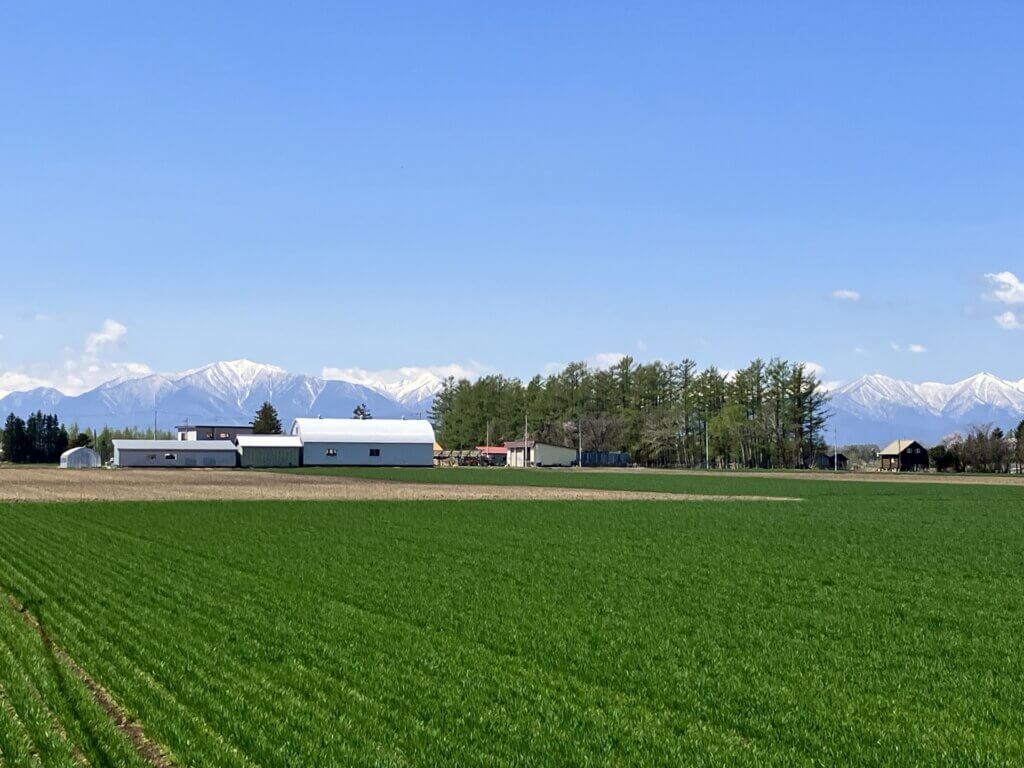
Vast open plains stretching toward the distant Hidaka Mountains. Hot air balloons floating in the sky, a rich culinary scene, and beautifully maintained gardens. These may be the images that come to mind when thinking of the Tokachi region in Hokkaido, a destination well known for tourism.
However, when Obihiro—the central city of Tokachi—is viewed through the lens of a MICE destination, a different dimension of appeal begins to emerge. In this article, we have organized the region’s strengths into key areas, including facilities, support systems, and distinctive local experiences.
We would like to express our sincere appreciation to all those who cooperated with our interviews and on-site research.
For professionals in the MICE industry, we hope this report provides a clearer understanding of Tokachi and Obihiro’s potential. A summer visit to Hokkaido, perhaps combined with a site inspection, may offer valuable insights into what the region can provide.
A Stage of Culinary Excellence and Inspiration Shaped by the Vast Northern Landscape — The Appeal of Obihiro and the Tokachi Region
Stretching across eastern Hokkaido, the Tokachi Plain forms one of Japan’s most expansive agricultural regions. At its center lies Obihiro City. Serving as the core city of the Tokachi region—whose total land area is comparable to that of Gifu Prefecture and home to approximately 330,000 residents—Obihiro itself has a population of around 165,000.
The overwhelming sense of scale, defined by seemingly endless blue skies and sweeping green landscapes, leaves a lasting impression on those who visit.
A Fertile Land Shaped by the History of Tokachi’s Development — Food Self-Sufficiency at 1345%
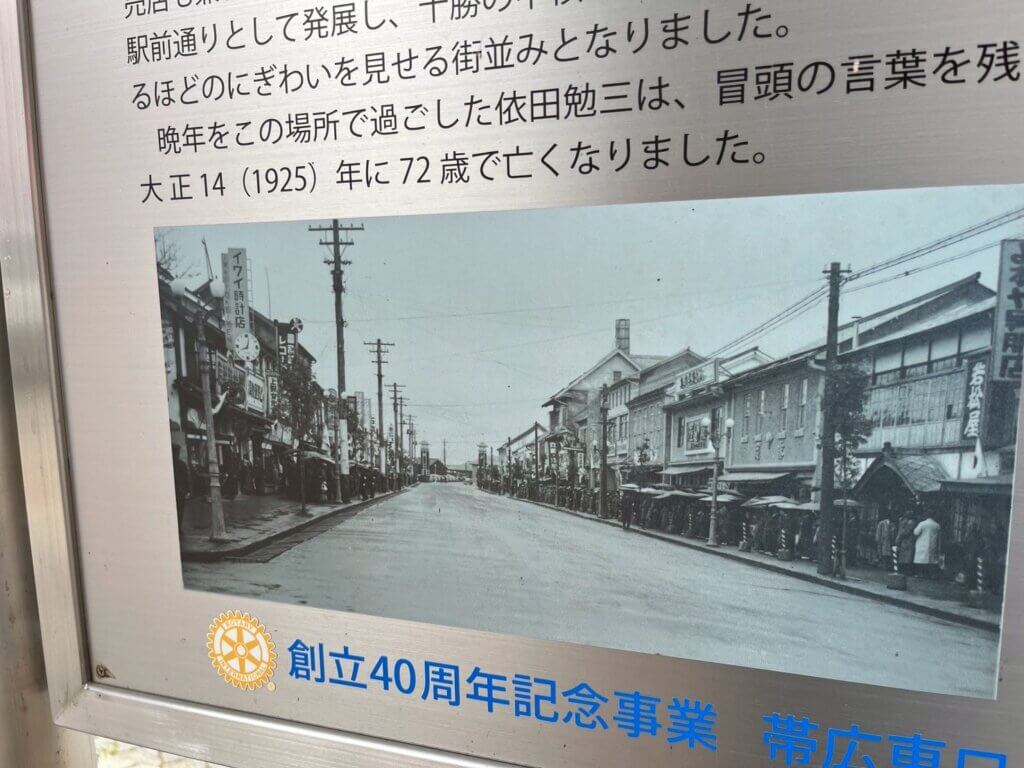
The foundations of this region were laid during the Meiji era, when settlers began cultivating what was then considered untamed wilderness. In 1883, Benzo Yoda, originally from Shizuoka Prefecture, led a group known as the Bansha Company (Bansei-sha) to settle in what is now Obihiro. The challenges they faced were severe: harsh winters, locust infestations, and repeated flooding of the Tokachi River. Despite these hardships, they continued their efforts to develop the land.
(It is important to note that this perspective reflects that of the Meiji government and settler groups at the time. The Ainu people had lived in this region for generations prior to these developments.)
The spirit of perseverance associated with this period has since evolved into what is often described as one of Japan’s leading food-producing regions. Tokachi’s food self-sufficiency rate reaches 1345% on a calorie basis (2024, Food Valley Tokachi Promotion Council).
Driving this growth is the “Food Valley Tokachi” initiative. Rather than functioning solely as a production area, the region has positioned itself as a hub where agriculture, food processing, research, and related industries converge to create new value.
From a MICE perspective, this ecosystem offers opportunities for technical site visits to advanced agricultural and food-processing facilities, as well as distinctive programs that leverage Tokachi’s rich culinary resources.
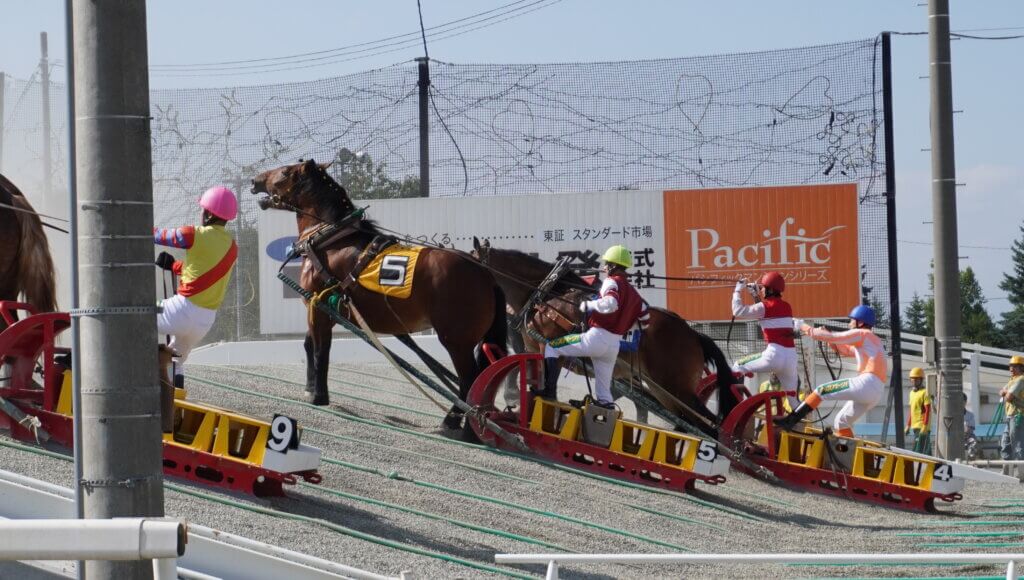
Banei Horse Racing, the Garden Highway, Local Cuisine, and Speed Skating — Distinctive Experiences Unique to Tokachi and Obihiro
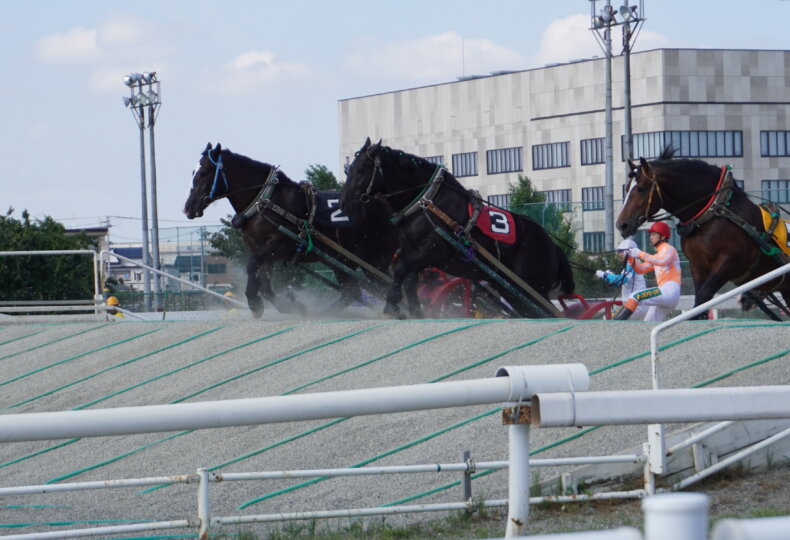
Tokachi’s appeal extends beyond its industries. One of its most distinctive cultural assets is Banei horse racing, the only form of its kind still held in the world. Originating from contests of strength among draft horses that once supported agricultural work during the pioneering era, the races feature powerful horses pulling heavy iron sleds in a dynamic display of endurance and skill.
Another highlight is the Hokkaido Garden Path (Hokkaido Garden Highway), a scenic route linking eight uniquely designed gardens. Each garden reflects the harmony between Hokkaido’s expansive natural landscape and curated horticultural artistry, offering visitors a restorative experience shaped by the region’s climate and terrain.
Food culture—an essential part of travel—is equally diverse. The local soul food butadon (grilled pork served over rice), born from the history of settlement, is known for its savory aroma and robust flavor. Tokachi’s high-quality wheat and dairy products also support a thriving production of cheeses and confectionery, widely recognized for their quality.
Winter sports are another defining feature. The region is known as a “city of speed skating,” having produced internationally recognized athletes such as Hiroyasu Shimizu and Miho Takagi. Facilities and climate conditions have contributed to the development of competitive winter sports programs.
The hardships endured by early settlers, and the rich food culture and traditions that emerged from that history, continue to shape Tokachi and Obihiro today. As a destination, the region offers diverse possibilities for business events and professional exchange, combining industry, culture, and experience in a distinctive northern setting.
Interviews with Obihiro’s MICE-Related Facilities
Tokachi Plaza — A Multi-Purpose Complex in Front of the Station
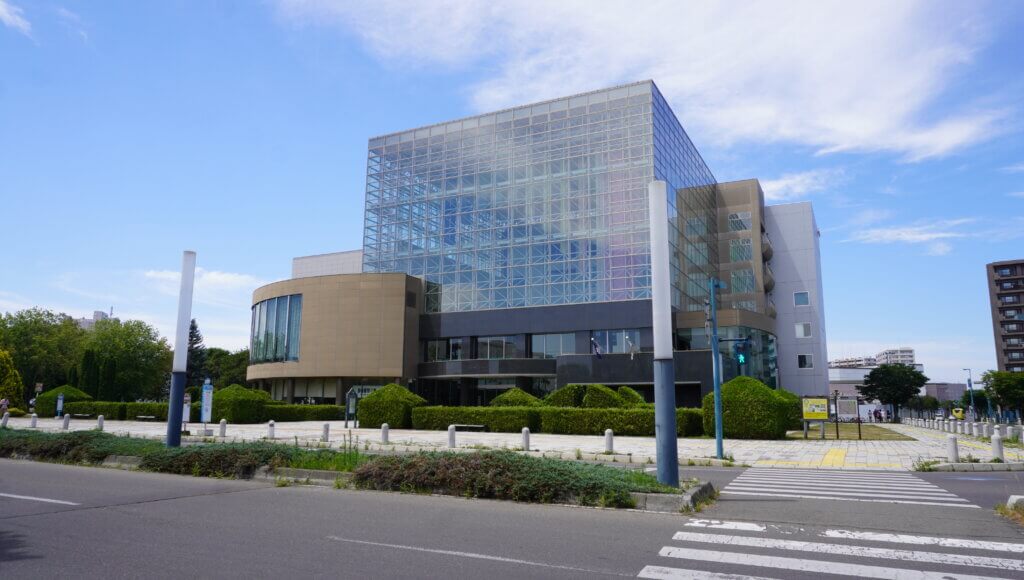
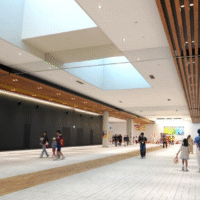
Standing prominently in front of Obihiro Station is Tokachi Plaza, a six-story facility with one basement level. Known locally as “Kachi-Pla,” this large glass-fronted complex serves as a multi-purpose venue for a wide range of community and business activities.
The facility houses fitness studios, cooking rooms, meeting rooms, and music studios that are accessible to local residents. On the day of our visit, many citizens were making active use of the building.
We were guided by Mr. Sakamoto, Assistant Deputy Director of Tokachi Plaza, operated by the designated management company Okamoto Co., Ltd. According to him, corporate users often utilize the venue for meetings, company briefings, and recruitment selection sessions. The facility contains meeting rooms of various sizes to accommodate different needs.
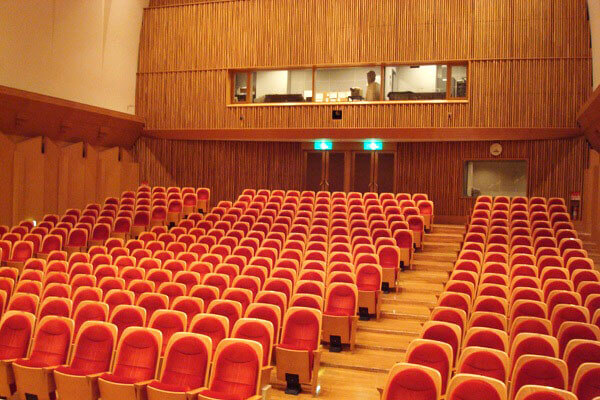
At the core of the complex is Rainbow Hall, a 350-seat auditorium equipped with three pianos and recognized locally for its excellent acoustics. The hall features a spacious glass-walled foyer and is used for concerts and a variety of public and private events.
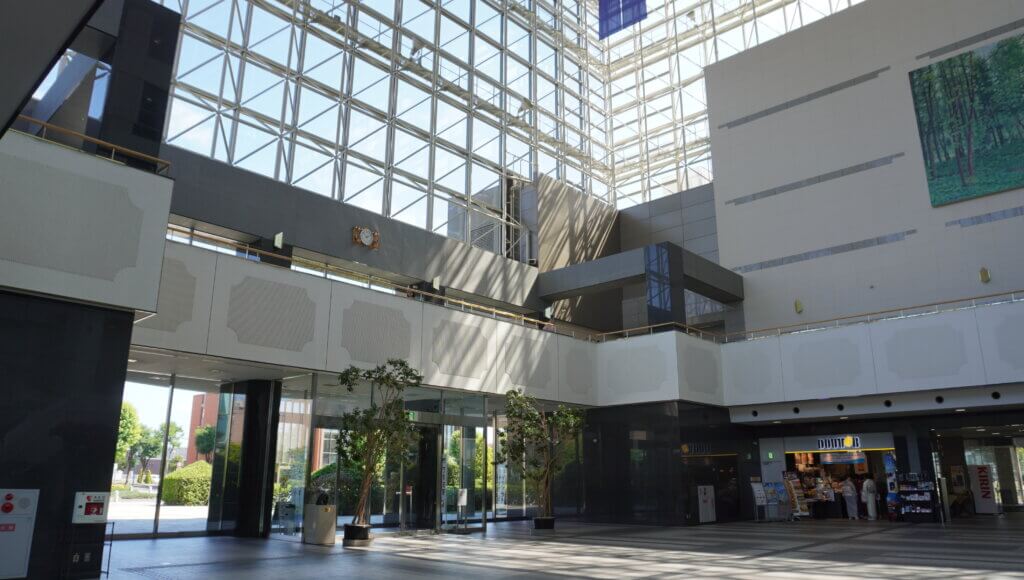
The 418-square-meter atrium can also host events and can be operated in conjunction with the gallery and large assembly room. With a total floor area of 13,721 square meters, Tokachi Plaza functions as a central community and event hub for the region. Rental fees are comparatively reasonable, making the venue accessible to a broad range of organizers. Numerous art installations throughout the building also contribute to an engaging visitor experience.
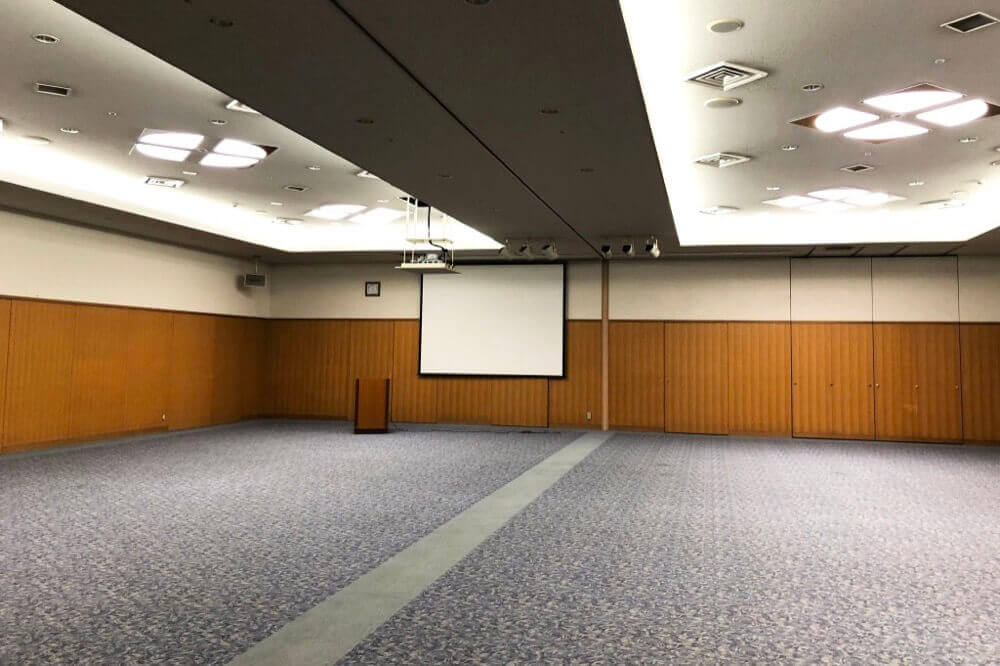
In June 2026, Tokachi Plaza will serve as one of the venues for ICAR 2026 (the 20th International Congress on Animal Reproduction). According to information published by the Japan National Tourism Organization (JNTO), ICAR is held every four years in different regions of the world and focuses on animal reproduction and reproductive technologies, including livestock, wildlife, and companion animals. It is regarded as the largest academic congress in this field, attracting more than 1,000 participants from over 60 countries. The 2026 edition will mark the first time the congress is held in Asia.
Hosting a major international congress of this scale represents a significant milestone for Obihiro and the wider Tokachi region.
ICAR2026 https://icar2026.jp/
Tokachi Plaza
For a detailed overview of the facility layout and room specifications, please refer to the official website of Tokachi Plaza
https://okamotopbc.jp/tokachi-plaza/floor/
Closed: Every Monday
Opening Hours: 9:00 a.m. – 10:00 p.m.
Address: 1-13 Nishi 4-jo Minami, Obihiro City, Hokkaido, Japan
Official Website: https://okamotopbc.jp/tokachi-plaza/
Hotel Nikko Northland Obihiro — A Landmark Property Adjacent to JR Obihiro Station
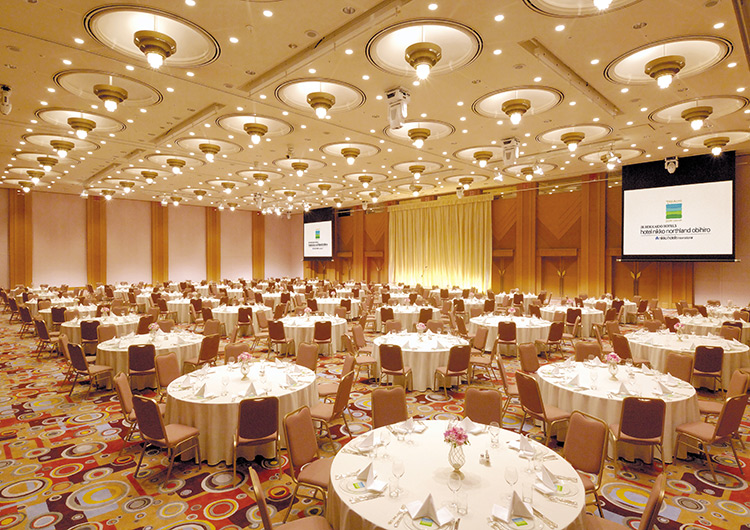
Hotel Nikko Northland Obihiro is directly connected to JR Obihiro Station and has long been recognized as a landmark at the station’s front. The hotel features 171 guest rooms designed under the concept of “Nordic living.” Rooms are divided between the Standard Floor (6th–9th floors) and the Executive Floor (10th–11th floors), which was renovated in March 2022. Accommodation types include single, double, twin, and suite rooms.
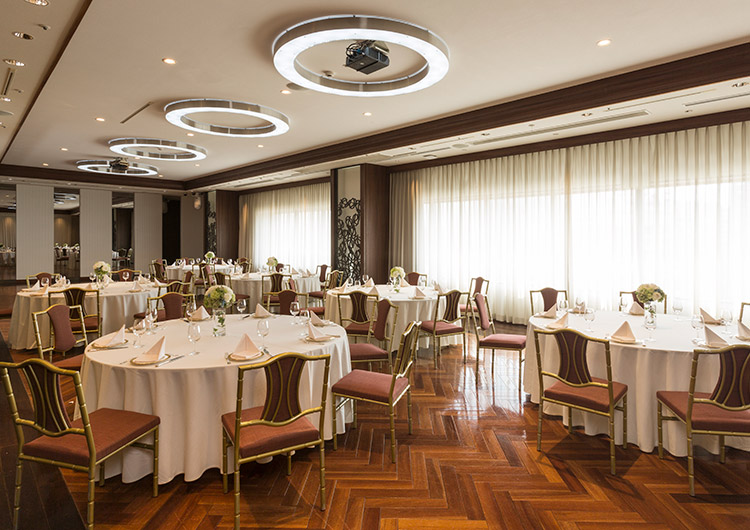
Within the property, guests will find restaurants highlighting ingredients from the Tokachi region, as well as one of the largest banquet halls in the Tokachi area, capable of accommodating more than 1,000 guests at maximum capacity.
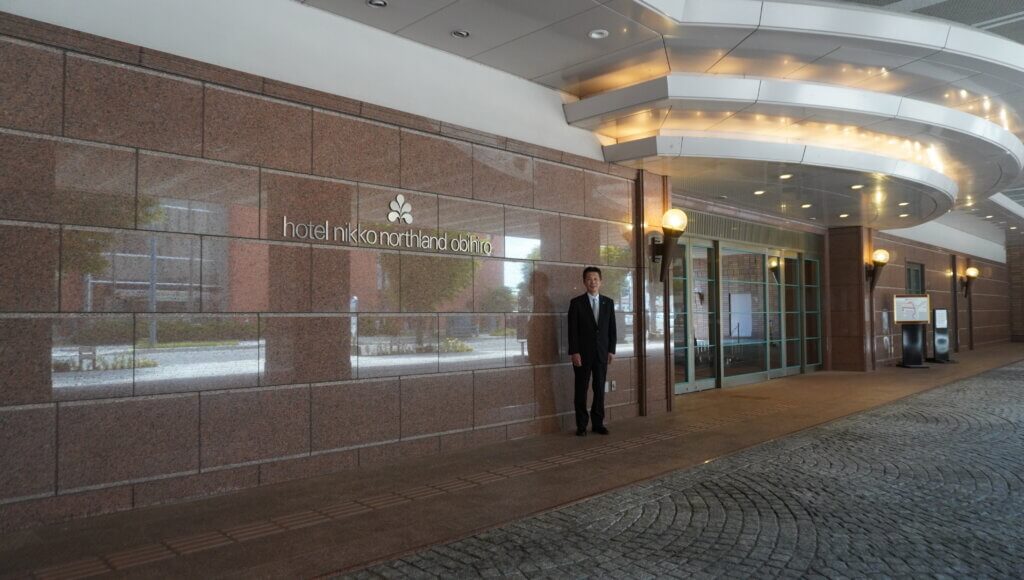
For this report, we spoke with Mr. Yamaji, Sales Manager of the Food & Beverage Group.
・Key Features and Strengths of the Hotel
“The hotel’s direct connection to the station and convenient accessibility are among our main strengths. We also offer one of the largest banquet halls in the region,” Mr. Yamaji explained. “We place strong emphasis on our culinary offerings, striving to serve locally sourced ingredients and regional wines whenever possible. These efforts have been well received by our guests.”
The hotel also operates the TOKACHI Tasting Bar, an exclusive space available to staying guests, where visitors can experience wines and sake produced in the Tokachi region. The concept has gained positive feedback as a curated introduction to local flavors within the hotel setting.
・MICE User Profiles
According to Mr. Yamaji, one common corporate pattern involves holding meetings on the first day, followed by golf activities on the second. Many of these clients travel from the Tokyo metropolitan area, primarily by air.
“When regional cultural events or academic conferences take place, we also see group bookings,” he noted. “If the event venue is nearby, participants can walk to the hotel, which adds to the convenience.”
He added that repeat visitation by the same organizations is not always guaranteed. Rather, Obihiro appears to be selected as one option among several candidate destinations when planners consider where to host their events each year.
・A Base for Sports-Related MICE
Obihiro is also positioned as a base for sports-related events. “The city has a speed skating rink, and when major competitions are held, athletes sometimes stay with us,” Mr. Yamaji explained.
The city offers a range of sports facilities, including the recently renovated Yotsuba Arena. In addition to winter sports, Obihiro’s relatively cool summer climate makes it suitable for training camps. The region has accumulated experience in hosting such groups across seasons.
Hotel Nikko Northland Obihiro (JR Hokkaido Hotels)
Total Guest Rooms: 171
Grand Ballroom “Northland Hall”: 974 ㎡ (divisible into two sections)
Medium Banquet Room “Fiore”: 260㎡
Small Banquet Rooms:Shirakaba: 180㎡
Kashiwa: 60㎡
Tancho: 111㎡
Address: 1-13 Nishi 2-jo Minami, Obihiro City, Hokkaido, Japan
Official Website:https://www.jrhotels.co.jp/obihiro/
Mori no Spa Resort Hokkaido Hotel — A Century-Old Property Surrounded by Forest and Gardens
-1024x683.jpg)
Hokkaido Hotel, set amid lush greenery, traces its origins back more than 100 years to the former Hokkaikan, which once stood near the station. Today, the property has embraced the name “Mori no Spa Resort” (Forest Spa Resort), clarifying and strengthening its concept of offering a stay deeply connected to nature.
For this report, we spoke with Mr. Yamazaki, Executive Officer and General Manager of the Management Strategy Division, about the hotel’s positioning and direction.
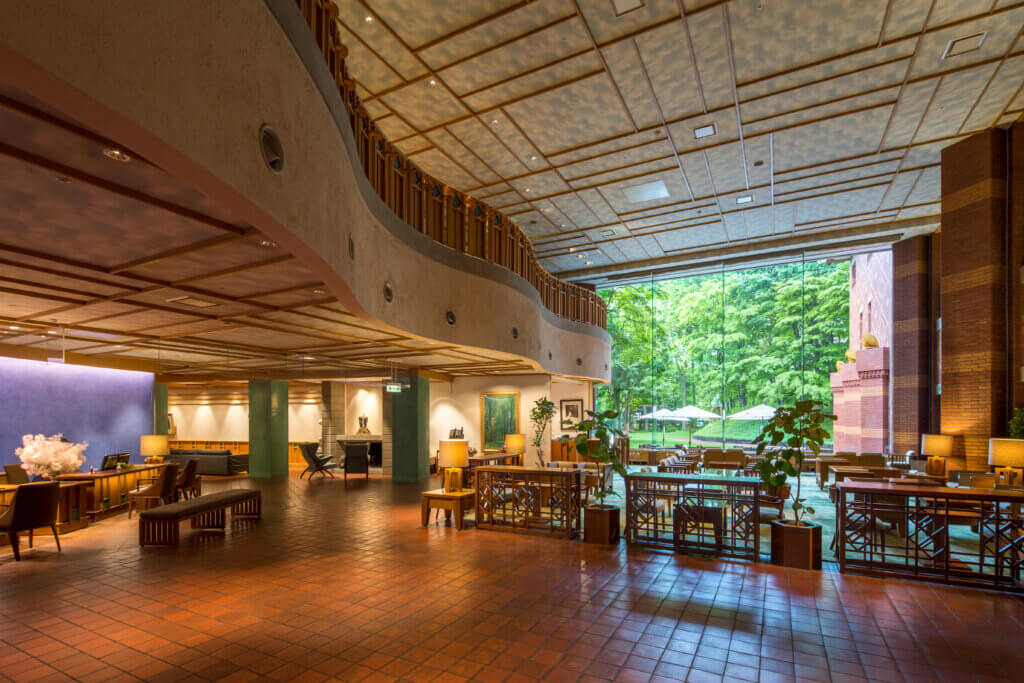
“We strive to create a hotel where guests can truly experience Hokkaido—from the bricks and tables used in the building and furnishings to the ingredients featured in our cuisine,” Mr. Yamazaki explained.
During our visit, we were shown the hotel’s banquet facilities, guest rooms, and restaurants. The warm interior design, combined with the surrounding natural forest, creates an atmosphere reminiscent of a woodland resort.
The property also features the Hokkaido Heritage–designated “Moor Onsen,” available not only in the large public bath but also in select guest rooms. In 2019, the hotel renovated its sauna facilities and introduced the Finnish-style “löyly” sauna experience.
Dining options include Western cuisine, teppanyaki, Japanese cuisine, sushi, and tempura, and the restaurants are reportedly popular among both hotel guests and local patrons.
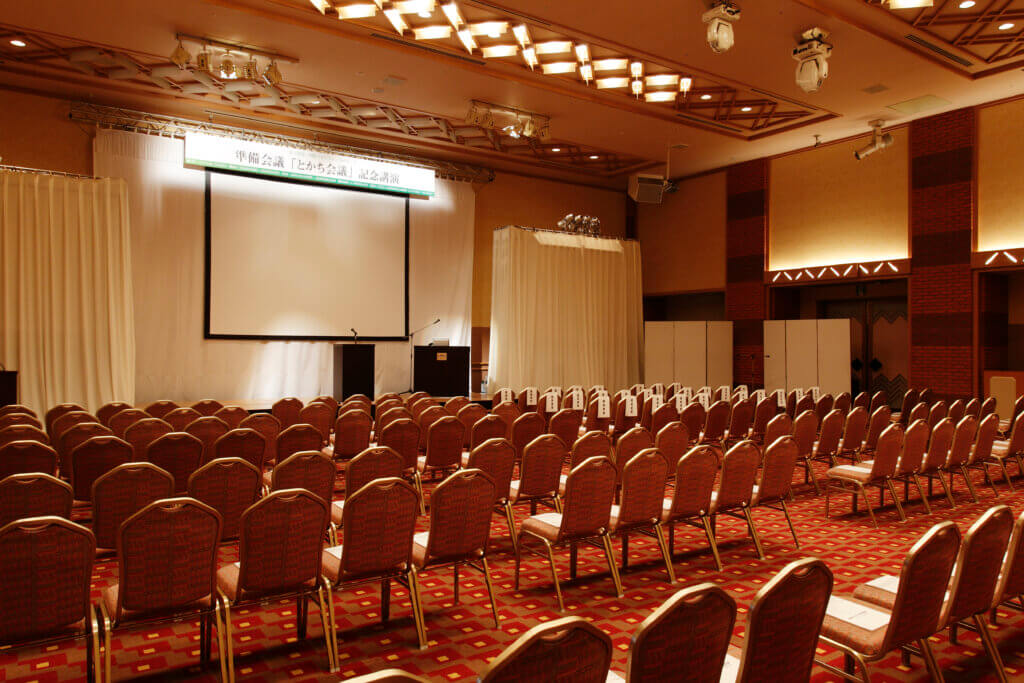
The hotel offers a notably diverse range of banquet venues. Organizers can select from distinctive spaces suited to different types of events and gatherings. Among them is the 760-square-meter Taisetsu Room, the fan-shaped Poroshiri Room, which can be used in combination with the garden, and the Poplar and Hamanasu Rooms, each featuring terrace access. Seeing these venues firsthand underscored their versatility and the flexibility they offer for event planning.
The hotel is equipped with the necessary audiovisual equipment and facilities to host corporate meetings, association gatherings, training programs, and various events. The ability to incorporate the garden into event design is a distinctive feature of Hokkaido Hotel.
The property offers a total of 117 guest rooms divided between the “Hidaka Wing,” with views of the Hidaka Mountain Range, and the “Garden Wing,” overlooking the landscaped grounds. A variety of room types are available, providing guests with multiple accommodation options depending on their preferences and purpose of stay.
Mr. Yamazaki also noted a gradual increase in guests choosing extended stays while working remotely. “We are seeing more guests staying for 10 days to two weeks while continuing their work,” he explained, referring to workation-style stays that combine business and leisure.
When asked about the appeal of Tokachi and Obihiro, he responded, “It is a place where you can truly relax. There are distinct seasons, the food is excellent, and you can feel the warmth of the people.”
A stay at Hokkaido Hotel offers an opportunity to experience these qualities firsthand.
Mori no Spa Resort Hokkaido Hotel(Tokachi Mainichi Newspaper Group)
Total Guest Rooms: 117
Taisetsu Room: 760㎡ (divisible into two sections)
Poroshiri Room: 200㎡
Poplar & Hamanasu Rooms: 164㎡ (divisible)
Chapel: 129㎡
Garden (outdoor event space) and additional facilities
Address: 1-19 Nishi 7-jo Minami, Obihiro City, Hokkaido, Japan
Official Website:https://www.hokkaidohotel.co.jp/
Obihiro Civic Cultural Hall — The Region’s Largest Hall Recognized for Its Acoustic Excellence
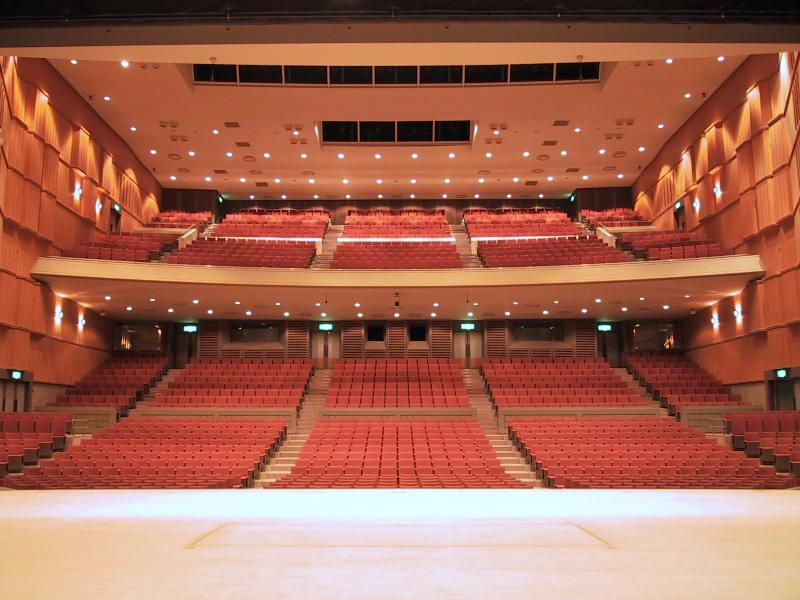
Since its opening in January 1989, Obihiro Civic Cultural Hall has served as a core venue supporting artistic and cultural activities in the Tokachi region. Located approximately a five-minute walk from JR Obihiro Station, the hall benefits from convenient accessibility. Owing to its acoustic quality and functional design, it has been selected as one of Japan’s “Top 100 Excellent Halls.”
The facility includes a 1,540-seat Main Hall equipped with full-scale stage technology, as well as a more intimate 512-seat Small Hall. It accommodates a wide range of programs, from concerts and theatrical performances by domestic and international artists to lectures and community presentations.
In addition to its performance spaces, the hall offers meeting rooms and rehearsal rooms. Accessibility features—including wheelchair seating and multipurpose restrooms—are well established, providing an inclusive environment where all visitors can comfortably engage with cultural and artistic activities.
Official Website:https://www.obihiro-foundation.jp/shisetsu/bunkahall/
Yotsuba Arena Tokachi — A 2020-Opened Arena Designed for Inclusive Access
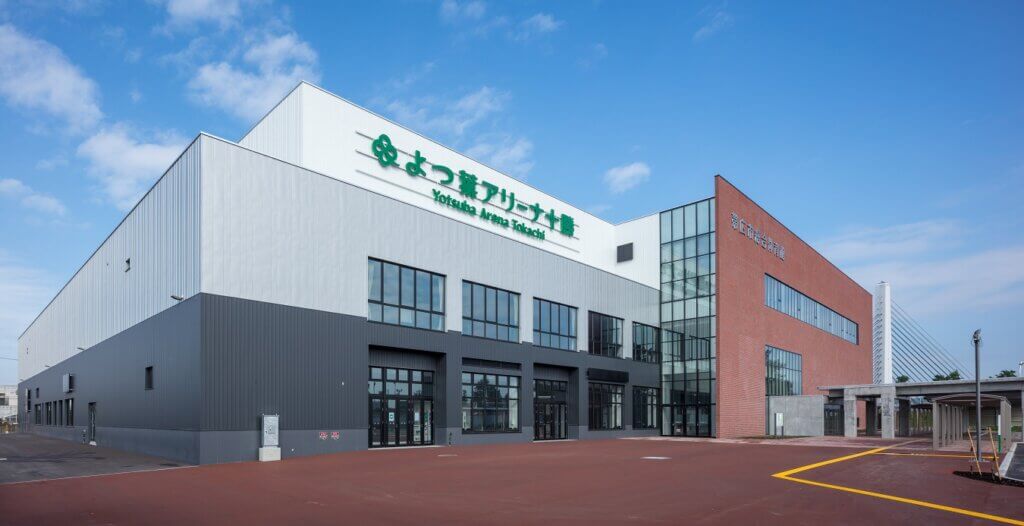
Yotsuba Arena Tokachi is Obihiro’s modern multi-purpose sports complex, which opened in February 2020. The facility features both a main arena and a sub-arena, making it the largest venue of its kind in the Tokachi region. It is capable of hosting national-level tournaments in sports such as basketball and volleyball, as well as concerts, exhibitions, and other large-scale events.
In addition to competition spaces, the arena includes a fully equipped training room with the latest exercise machines, studios offering a variety of fitness programs, and family-friendly amenities such as a children’s play area and nursery room.
Designed with universal design principles, the facility provides an environment that is accessible and user-friendly for a broad range of visitors. It functions not only as a sports venue but also as a community hub where athletes, spectators, and support personnel can interact and engage.
Official Website: https://obihiro-arena.jp/
IN THE SUITE — A Resort-Like Event Space in Front of Obihiro Station
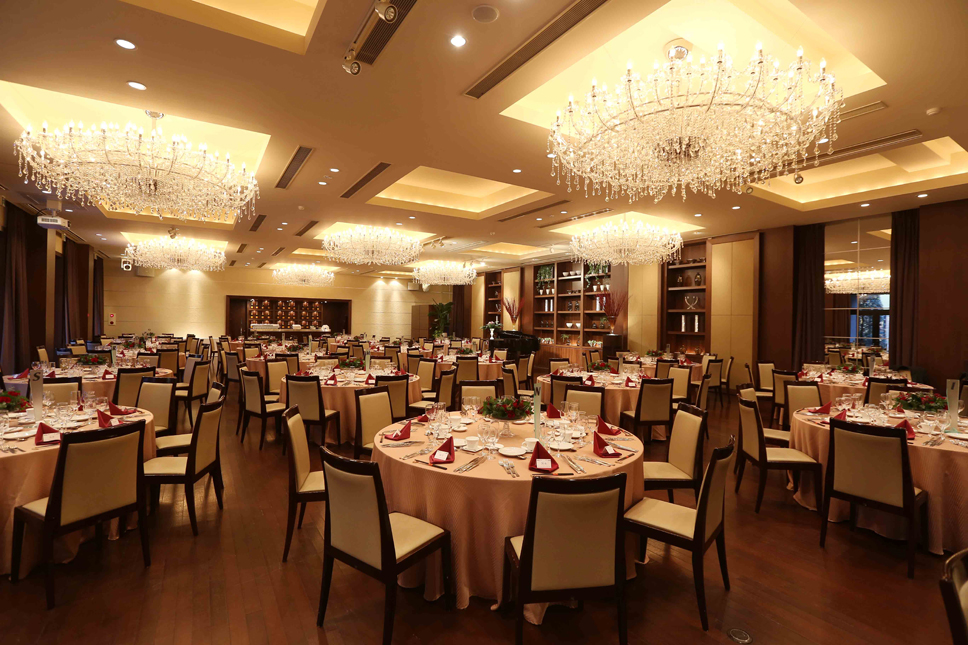
Located directly in front of JR Obihiro Station, IN THE SUITE is a multi-purpose complex that includes a wedding venue, restaurant, flower shop, and banquet facilities. Despite its central location, the property offers an atmosphere reminiscent of a resort-style setting.
Within the complex, several spaces are available for events and gatherings. THE LIVING accommodates up to 220 guests in a seated format and can be used for banquets, parties, meetings, and exhibitions. Additional venues include the soup (seated capacity of 100) and CRUISE (seated capacity of 60), both suitable for receptions and smaller-scale events.
The venue is recognized for its culinary quality, making it a suitable option for corporate functions, internal company events, business meetings, and exhibitions.
Official Website:https://obihiro-arena.jp/
Obihiro Tourism & Convention Association — Connecting Organizers with the Region Through Responsive Support
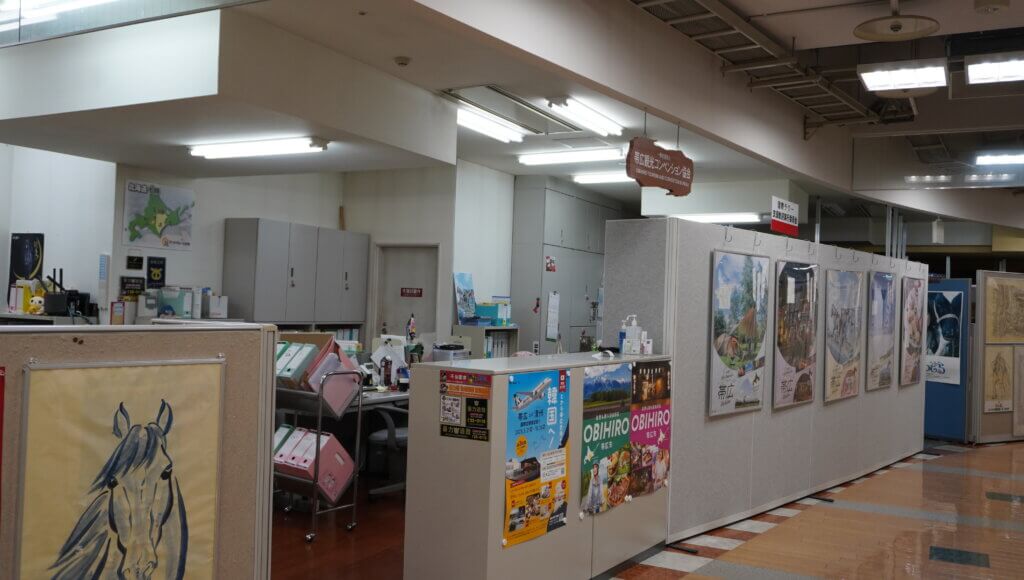
The Obihiro Tourism & Convention Association is located on the second floor of the ESTA East Building at JR Obihiro Station. We spoke with Ms. Katakura about the current state of MICE and convention activity in the city. Despite a demanding schedule—having supported a national mothers’ volleyball tournament the previous day and a tea ceremony school anniversary event on the day of our visit—she kindly shared her insights.
Organizers who have previously hosted events in Obihiro sometimes choose the city again for a different event, saying, “We came back because the support was excellent.”
While large-scale international congresses are relatively limited, Obihiro regularly hosts events in the range of 300 to 500 participants. These include national sports tournaments, livestock-related academic conferences, and events in the medical and welfare sectors. The city accommodates a wide range of needs, resulting in a steady flow of MICE activity throughout the year. Summer sees increased use for sports-related events, while winter brings competitions in speed skating and ice hockey.
According to Ms. Katakura, some organizers who have previously hosted events in Obihiro choose to return for different programs. “We sometimes hear that organizers decided to come back because they appreciated the level of support,” she explained. When asked what aspects are most valued, she noted that prompt responses and a proactive attitude—“doing everything we can to assist”—are often cited as reasons for repeat selection.
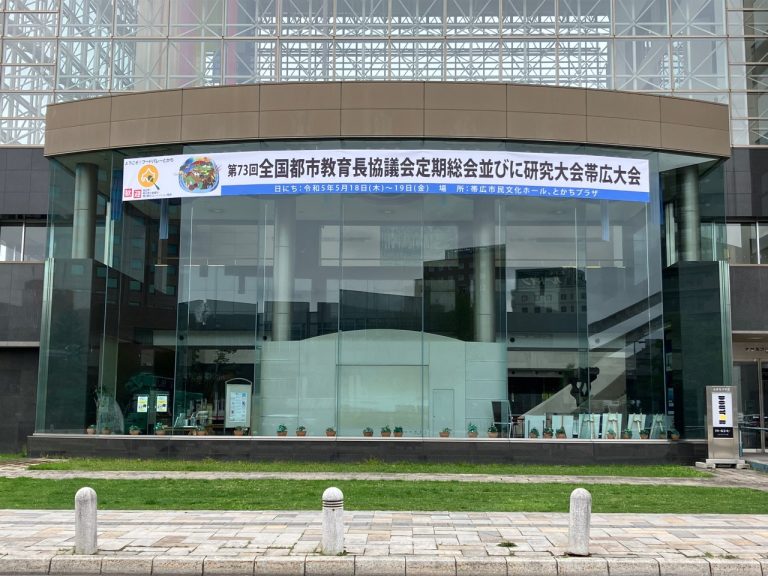
The Association also supports event organizers by installing welcome signage at stations and venues, and by distributing or requesting the display of welcome stickers (subject to certain conditions). In addition, they may arrange tourism information booths or local product sales corners at event sites. Such detailed support measures help connect event organizers with the local community and enhance the overall participant experience.
Advantages of Hosting in Obihiro (1): A Compact City Where Venues, Hotels, and Dining Are All Within Walking Distance
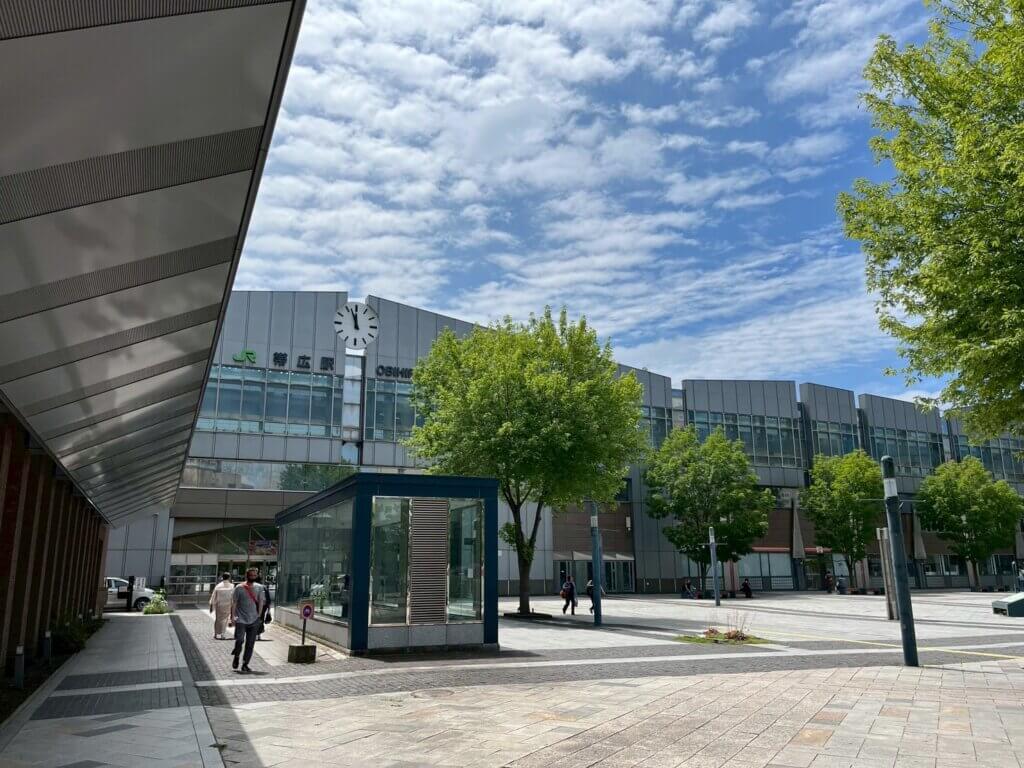
Secondary transportation is often one of the key challenges in MICE destinations. In Obihiro, however, many core facilities are concentrated within a 500-meter radius of JR Obihiro Station, making the city highly walkable and compact.
Even the farthest venue covered in this report—Hokkaido Hotel—is located just 900 meters from the station. Within only a few minutes on foot, organizers can access Tokachi Plaza, Obihiro Civic Hall, multiple hotels, and a wide range of restaurants.
This concentration allows planners to combine multiple venues and functions seamlessly. It is relatively rare to find a regional city where the largest banquet hall, major event facilities, and a lively dining district are all gathered around the main station.
Advantages of Hosting in Obihiro (2): Strong Operational Support — And a Welcome Party Just Steps from the Station?
Another distinctive feature is the “Ekikita Multipurpose Plaza,” located just a one-minute walk (approximately 50 meters square) from the station. While prior application to the City of Obihiro is required, the space can be used for outdoor gatherings—potentially even a welcome reception under the open sky.
With tents set up and food trucks invited in, organizers could create a lively and memorable atmosphere. The proximity to the station makes it easy for participants to gather, enhancing both convenience and the overall event experience.
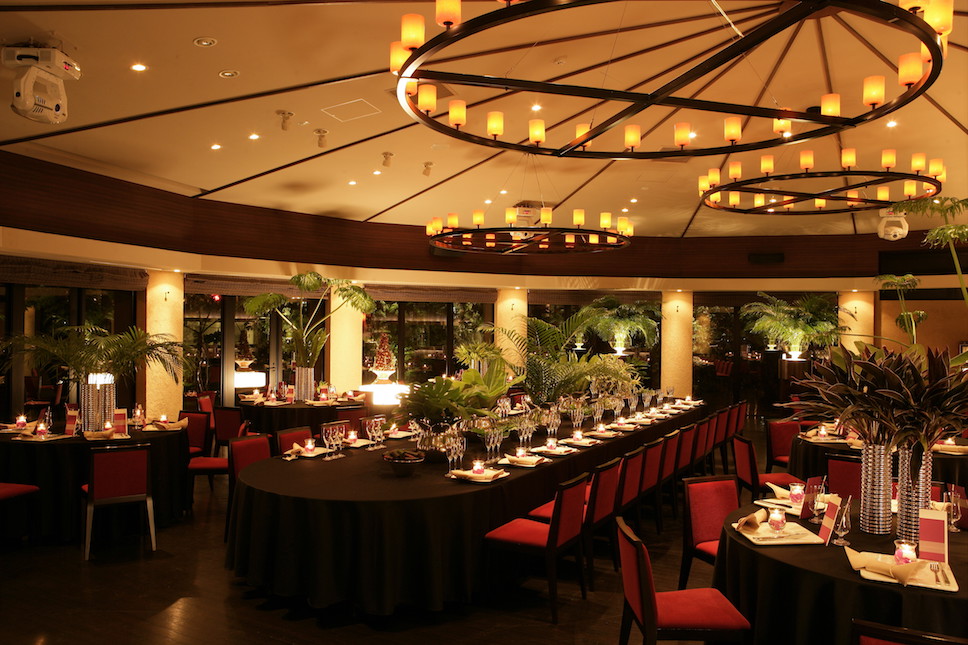
Located just a one-minute walk from the station, IN THE SUITE is primarily known as a wedding venue, but it is also available for receptions, banquets, meetings, and other corporate functions. The space offers a maximum seated capacity of 220 guests, making it suitable for medium-sized networking events and gatherings.
What Makes Obihiro Attractive? The Meaning of “Just Right”
To conclude, we asked Ms. Katakura how she would describe the appeal of Obihiro. Her answer was simple yet telling: “It’s a city that is easy to live in, comfortable to spend time in—just right.”
The scale of the city is manageable, but more importantly, she noted, the people are kind and welcoming. Across the broader Tokachi region, visitors will find a full range of accommodations, gourmet dining, activities, and renowned sweets. In fact, she shared that when locals consider traveling, they often begin by looking within Tokachi itself—such is the richness and variety available close to home.
The phrase “just right” was not unique to Ms. Katakura. It emerged repeatedly during our interviews, suggesting that it may well be the defining keyword for Obihiro. A destination that is neither too large nor too small, but balanced in scale, accessibility, and hospitality—qualities that resonate strongly in the context of MICE.
The Value of Experience: What Only Tokachi Can Offer
Samurai Produce — A Private View of the Milky Way

Samurai Produce describes itself as an “entertainment tourism company producing unique travel content in Hokkaido.” The company creates experiences that can only be enjoyed in the Tokachi region.
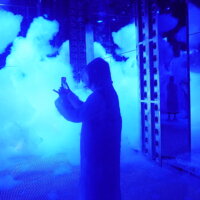
During our visit, we joined one of their signature programs, Soratabi Café—an activity that takes participants to a secret location with a panoramic view of the night sky. Beneath a canopy of stars, guests enjoy tea and sweets while gazing upward. Using a high-performance telescope manufactured by French company Unistellar, participants can observe distant galaxies and nebulae invisible to the naked eye. It is an immersive encounter with the universe.
On the night I attended, the sky was perfectly clear—a classic “Tokachi blue sky” day followed by a cloudless evening. The Milky Way stretched vividly overhead, fully visible to the naked eye. It was an experience that felt both intimate and awe-inspiring.
In addition to Soratabi Café, Samurai Produce offers other distinctive programs such as Tokachi Night River Cruising and Tokachi Aroma Moss Terrarium Workshops. These activities present meaningful opportunities for MICE participants to engage with the region beyond the conference room—creating memorable, place-based experiences unique to Tokachi.
Official Website:https://www.samuraiproduce.com
Draft Horses That Built the Frontier: Obihiro Racecourse and Ban’ei Racing
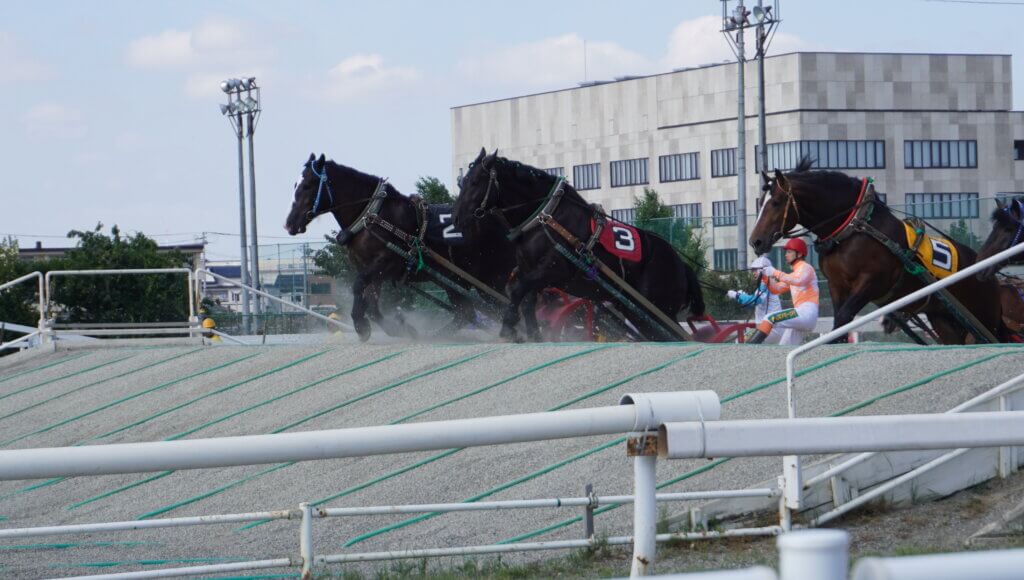
Ban’ei racing in Obihiro is the world’s only style of horse racing in which draft horses pull heavy iron sleds along a straight dirt track. Rooted in Hokkaido’s pioneering history, this competition is not about speed alone. It is a test of raw strength, endurance, and the deep bond between horse and driver—a living cultural legacy of the region.
The most dramatic moment comes when a massive “banba” horse, weighing over one ton, pulls a sled of up to one ton and surges up the second obstacle—an earthen mound standing 1.6 meters high. The horse pauses, gathers its breath, and then pushes forward with tremendous power. Spectators cheer from just beside the course, close enough to feel the vibration of hooves and the intensity of the effort.
Ban’ei racing is not a staged show but a year-round competitive racing program, with official races held regularly. The seriousness of competition gives it a compelling authenticity and emotional weight.
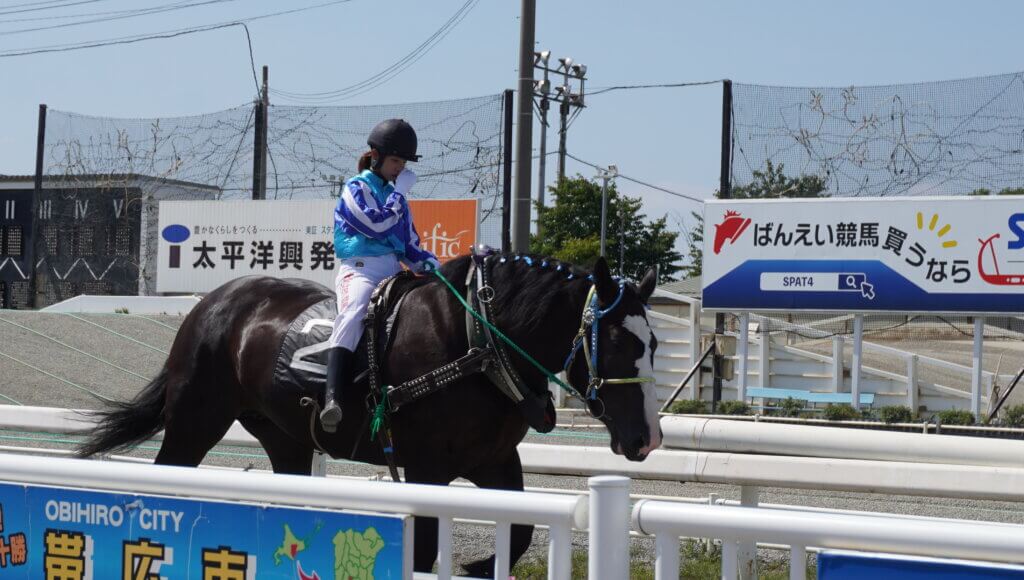
Visitors can see the powerful draft horses—significantly larger than Thoroughbreds—up close. The racecourse grounds also include family-friendly areas where guests can interact with horses and learn about their history at a small museum.
Adjacent to the venue is “Tokachi Mura,” a marketplace showcasing the region’s culinary strengths. Fresh local produce, specialty goods, the famous pork bowl (butadon), and a wide selection of sweets are all available, allowing visitors to spend an entire day enjoying both the races and Tokachi’s food culture.
This is truly something that exists “only here.” Corporate race sponsorships are also possible, opening creative opportunities for MICE organizers. Imagine a race named after your event—perhaps even a “MICE TIMES ONLINE Memorial Race.” It would certainly be a memorable highlight for both participants and racing fans alike.
Official Website:https://www.banei-keiba.or.jp
As for regional sightseeing highlights, the Tokachi area offers a remarkable variety of destinations. These include Tokachigawa Onsen, known for its rare moor hot springs; beautifully curated flower gardens that bloom in vibrant colors throughout the seasons; Lake Shikaribetsu, the highest-elevation lake in Hokkaido; the Taushubetsu River Bridge, often called the “phantom bridge” as it appears and disappears with changing water levels; and Naitai Highland Farm, the largest public pasture in Japan.
Each of these locations provides more than scenic beauty. They offer restorative experiences that nourish both body and mind—an important consideration for MICE programs seeking meaningful, place-based components beyond the meeting venue.
Local Ingredients at Their Best: A Culinary Powerhouse That Elevates Any Event
Tokachi is often described as a “kingdom of food,” and once you visit, it’s easy to understand why. Farm-to-table is not a slogan here—it is simply how things are done. The region offers an abundance of rich, deeply satisfying flavors rooted in local ingredients.
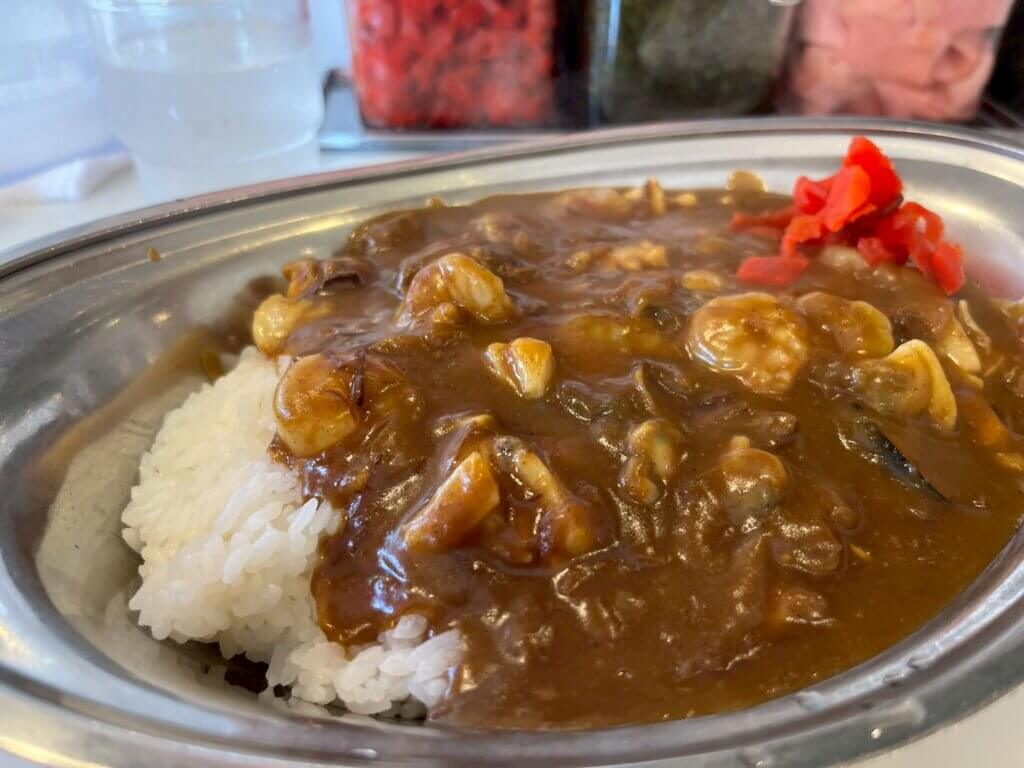
One beloved local institution is Indian Curry, a true Obihiro soul food. I visited three times in four days. The curry is thick, rich, and irresistibly comforting, with a depth of flavor that keeps you coming back. The restaurant is constantly busy, filled with lively voices and energetic service. Personally, I was completely won over by the seafood version, generously packed with ingredients.
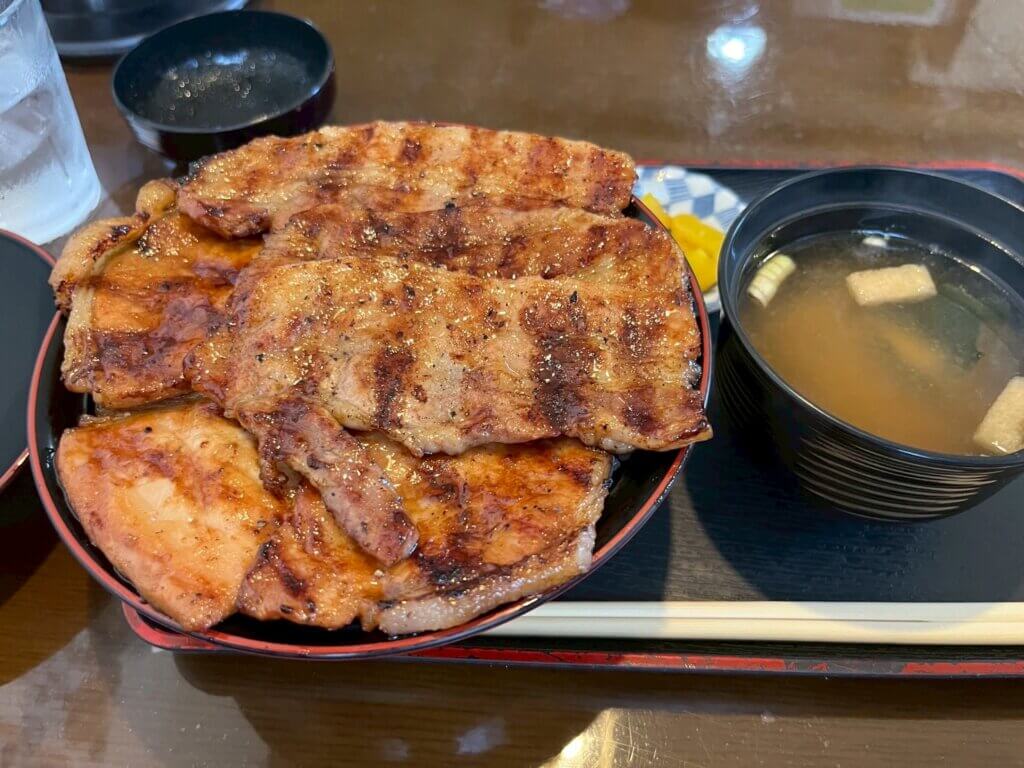
Then there is Tokachi’s signature dish: butadon (grilled pork bowl). Popular restaurants frequently draw long lines of both locals and visitors. The photo shown here is from the well-known restaurant Butanoya. Even the regular mixed bowl (pork belly and loin) is impressively generous—six slices of pork left me completely satisfied. The welcoming service and smooth operations reflect the confidence of a long-established favorite.
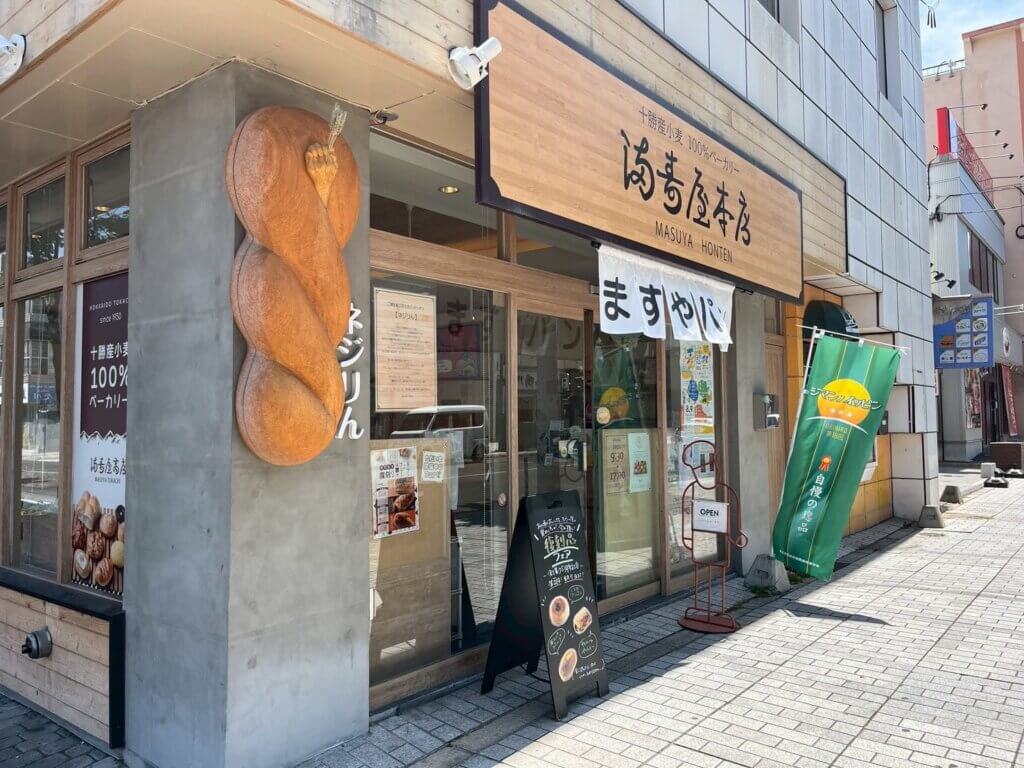
Founded in 1950, the bakery Masuya Pan is another local icon. According to its official website, the bakery aims to use 100% Tokachi-produced ingredients and continuously pursues new flavors. The breads made from Tokachi-grown wheat are exceptional—so much so that they redefine your expectations of what bread can be.
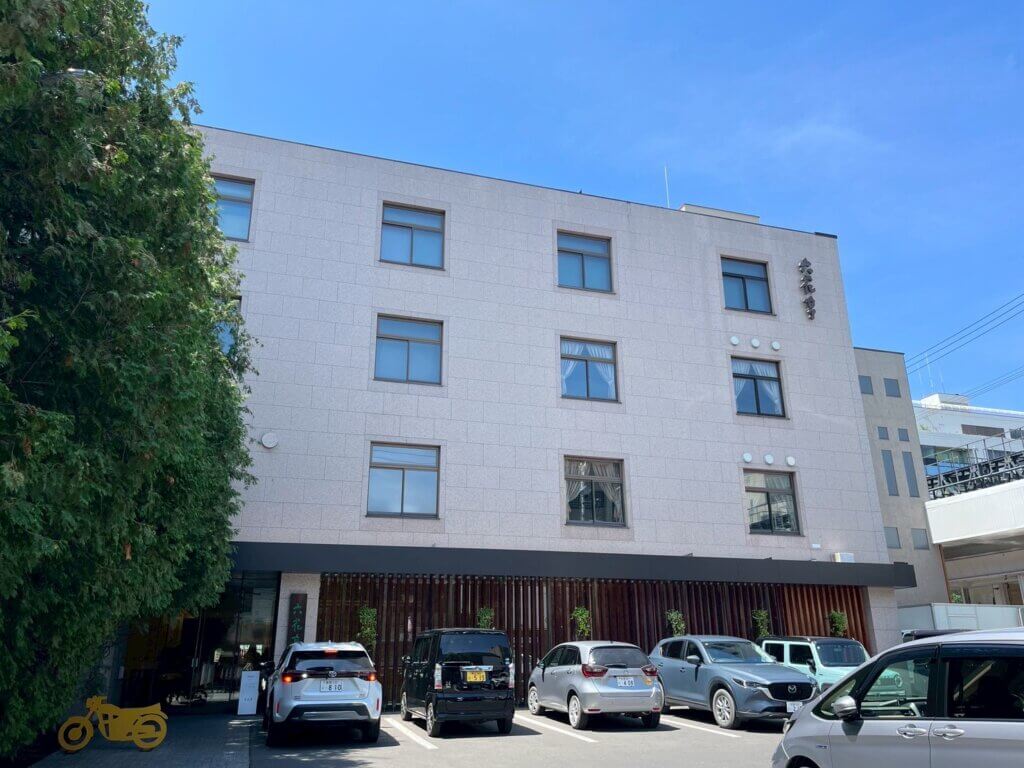
No visit would be complete without stopping by Rokkatei Obihiro Main Store. Bring home sweets from Rokkatei—or from other renowned confectioners such as Cranberry—and you will almost certainly hear, “Delicious! Just what you expect from Hokkaido.”
Beyond these famous names, Tokachi offers countless cafés, patisseries, tender and flavorful jingisukan (grilled mutton), the local specialty Obihiro ramen, and more. The quality of ingredients is so high that almost anything you try will prompt an immediate “Wow.” Izakaya dining is generous in portion and rich in variety, delivering excellent value and satisfaction.
Culinary experiences are not a secondary element in MICE—they are central to event success. In that respect, Obihiro holds extraordinary potential as a destination where food becomes a highlight of the entire program.
Access to Tokachi and Obihiro
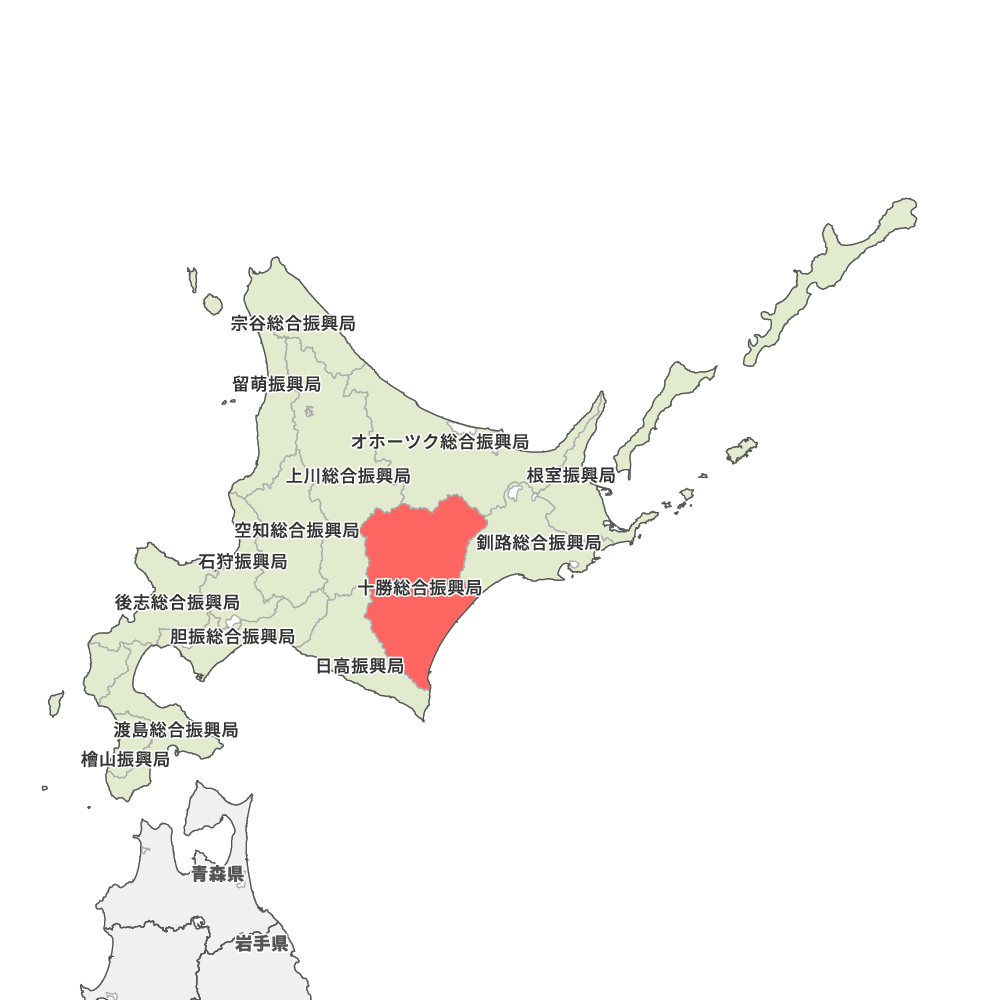
Closer Than You Think? Just 1.5–2 Hours by Air to Tokachi–Obihiro Airport
One comment we heard during our interviews was particularly memorable: “You can come directly from Tokyo to Tokachi.” In fact, access from major metropolitan areas such as Tokyo and the Kansai region is highly convenient by air. In terms of travel time, Tokachi is not as far as many might assume.
Please note that the following travel times are approximate. Some routes operate seasonally.
From the Tokyo Area
Haneda Airport → approximately 1 hour 30 minutes by air → Tokachi–Obihiro Airport
From the Kansai Area
Itami Airport or Kansai International Airport → approximately 1 hour 45 minutes by air → New Chitose Airport → approximately 2.5–3 hours by JR train → Obihiro
Kansai International Airport → approximately 2 hours by air → Tokachi–Obihiro Airport
From the Tokai Area
Chubu Centrair International Airport → approximately 1 hour 45 minutes by air → Tokachi–Obihiro Airport
By Ferry
From ports across Japan → Tomakomai Port → approximately 4 hours by train or bus → Obihiro
From Within Hokkaido
From Sapporo
Potato Liner (intercity bus) → approximately 4 hours → Obihiro
JR Limited Express (Tokachi / Ozora) → approximately 2 hours 30 minutes → Obihiro
From New Chitose Airport
Tokachi Milky Liner (intercity bus) → approximately 2 hours 30 minutes → Obihiro
From Asahikawa
North Liner (intercity bus) → approximately 3 hours 40 minutes → Obihiro
With direct flights and well-established rail and bus networks, Tokachi and Obihiro offer practical accessibility for meetings, conferences, and incentive programs alike.
Sapporo → Obihiro: Trying the “Potato Liner” Intercity Bus
We boarded the Potato Liner in central Sapporo and arrived in front of Obihiro Station almost exactly on schedule. The three-across independent seating offers generous personal space, making the journey comfortable and surprisingly fatigue-free.
The scenery from the window is beautiful, and a window seat—preferably in the very front row—is highly recommended. The travel time itself becomes part of the Hokkaido experience. During scheduled rest stops, passengers can also enjoy local Hokkaido specialties.
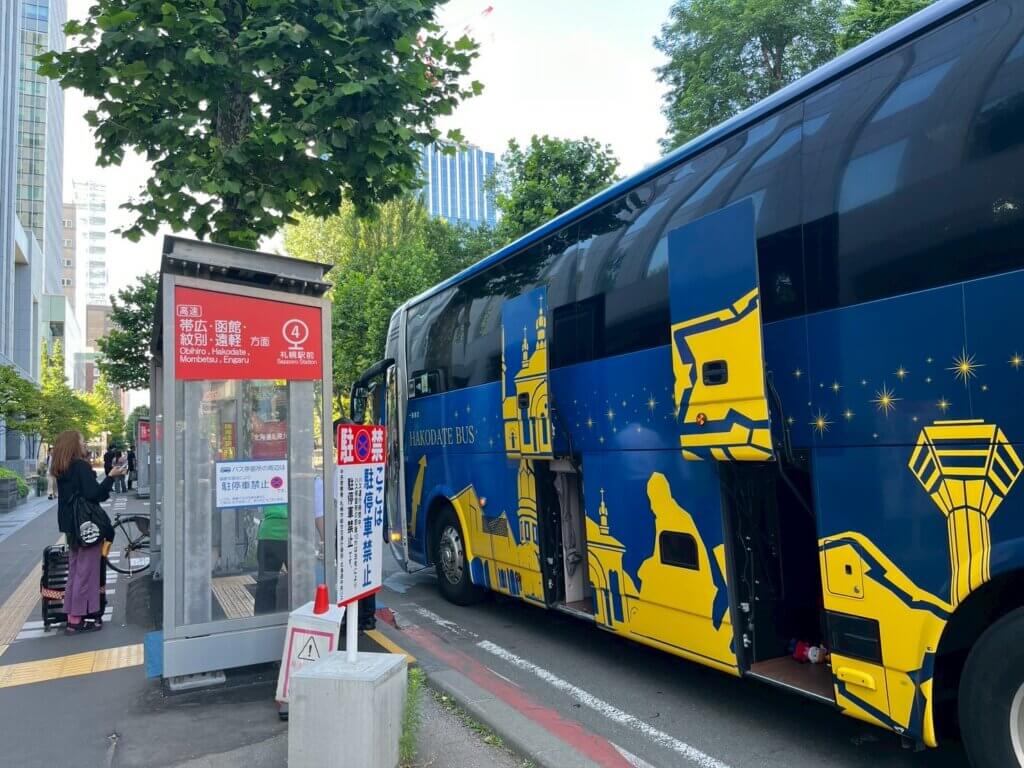
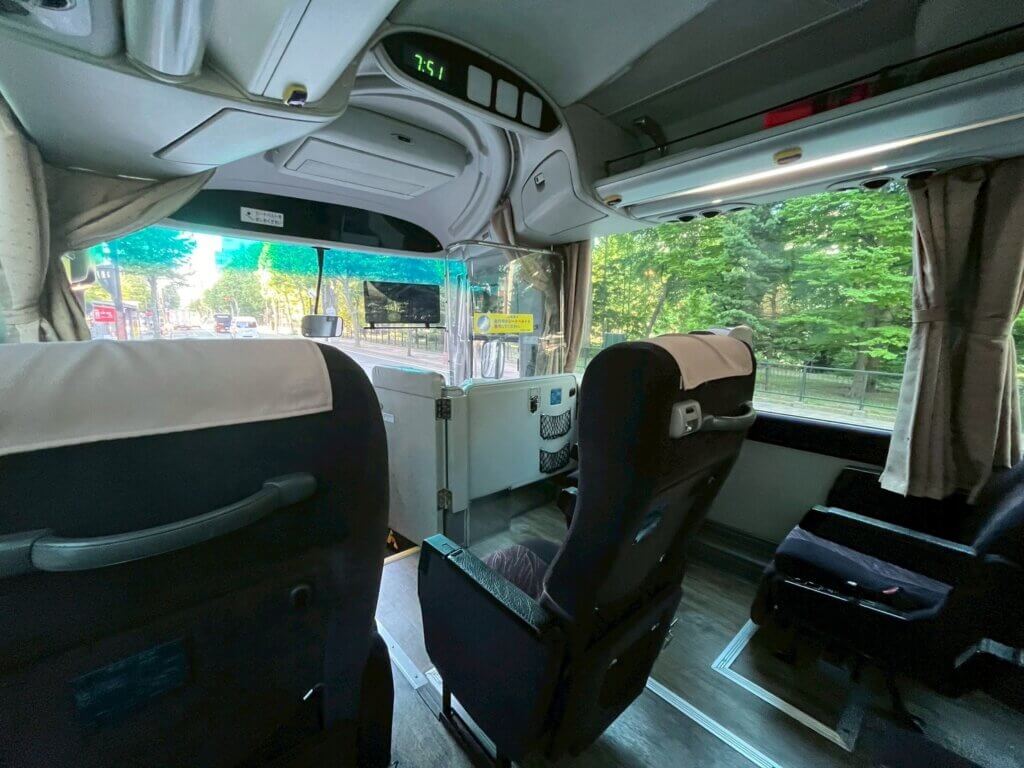
Adult fares vary by season but typically range from JPY 3,580 to JPY 4,110—roughly half the price of the JR limited express train.
Obihiro → Sapporo: Taking the JR Limited Express
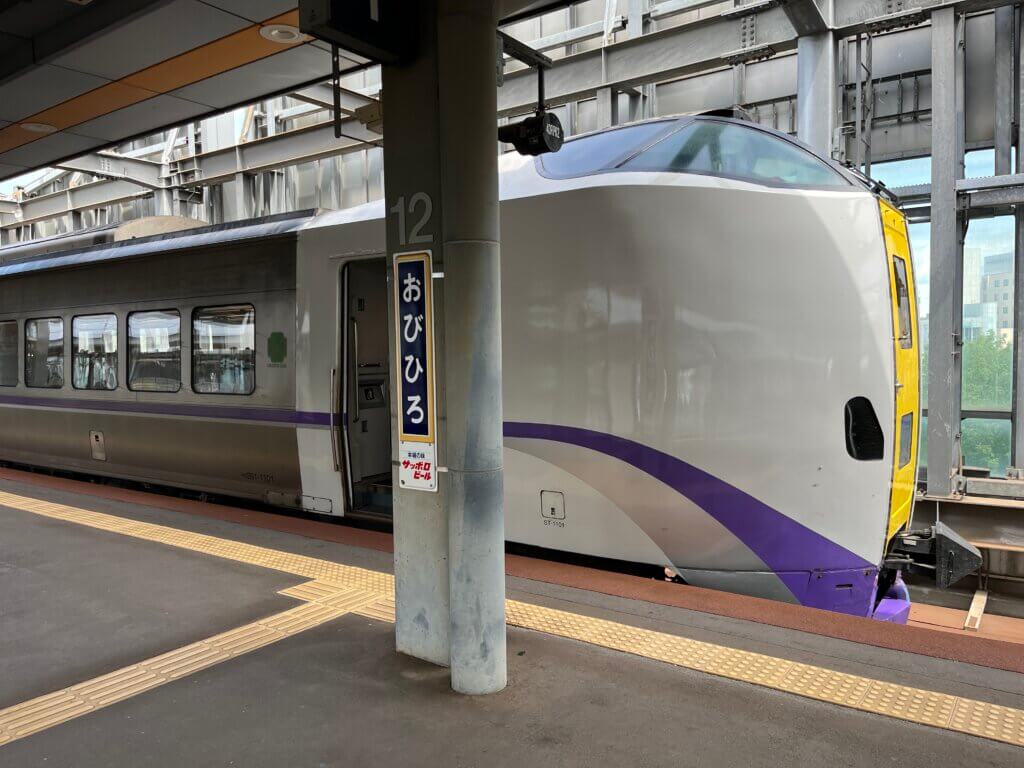
For the return journey, we took the JR Limited Express “Tokachi 6,” which departs Obihiro shortly after 11:00 a.m. and arrives in Sapporo just after 2:00 p.m. Including the reserved seat fee, the fare exceeds JPY 8,000. Travel time is approximately 2.5 to 3 hours—faster than the bus, though not dramatically so when considering the price difference.
While there are many tunnels along the route, the train offers its own distinct scenery and atmosphere compared to the bus. One of the pleasures unique to rail travel is purchasing a local ekiben—such as a butadon (grilled pork bowl) boxed meal—and enjoying it onboard.
Both options have their advantages. However, Hokkaido’s intercity buses are particularly notable for their expansive views, making them an appealing choice for travelers who wish to experience the landscape as part of their journey. With relatively frequent departures between Obihiro and Sapporo, both bus and rail services can be selected flexibly according to schedule and travel preferences.
In Closing: Tokachi’s Wellness Appeal Signals Strong Potential for MICE
Venues and facilities, regional support, and convenient access—Obihiro integrates these essential components in a compact and practical urban setting. Yet beyond meeting the fundamental requirements for hosting MICE, the city and the wider Tokachi region offer something more: expansive natural landscapes, exceptional local cuisine, vividly changing seasons, distinctive regional activities, and a history rooted in pioneering development. These elements combine to create a destination with depth and character.
As noted during interviews with local hotels, there has been demand for corporate travel that incorporates meetings and training programs, as well as workation-style stays by visitors from outside Hokkaido. During my own four-day stay in Obihiro, I found it possible to work productively while also experiencing a genuine sense of renewal.
According to The Intentional Traveler Report, recently published by Marriott International on luxury travel trends in the Asia-Pacific region, travelers are increasingly prioritizing well-being, immersive experiences, emotional value, and intentional planning. As “wellness” becomes a defining factor in luxury travel, it is likely to emerge as an important keyword in the planning and design of MICE events as well.
One approach could be to host meetings in Obihiro’s compact city center while creating opportunities across the broader Tokachi region for participants to engage in wellness-oriented experiences. In this context, organizing MICE events and excursions in Tokachi and Obihiro presents meaningful potential—not only in operational terms, but in delivering experiences that are restorative, immersive, and aligned with evolving traveler expectations.