

Mexico City World Cup 2026: What the Opening Day Revealed About Mega Event Management and Global Business Success
As the opening day of a mega-event arrives, how does an entire city respond?
The 2026 World Cup, the world’s largest international football tournament, is being held across the United States, Canada, and Mexico. The tournament opened in Mexico on June 11, 2026, placing Mexico City at the center of global attention and activity.
While much of the media coverage focuses on the atmosphere inside the stadiums and the results on the pitch, MICE TIMES ONLINE takes a different perspective. This report examines how a host city prepares to accommodate large numbers of visitors, manage transportation systems, and operate critical infrastructure during one of the world’s largest international events.
From the excitement surrounding the opening match to the operational strategies being implemented at Mexico City’s airport, this on-the-ground report highlights both the preparations and the unexpected challenges emerging during the event. Based on local reporting from Mexico City, the article explores practical lessons that may be relevant for Japanese companies, event organizers, and destination managers seeking to deliver successful business events and international projects overseas.
Reporting and Editing: MICE TIMES ONLINE Editorial Team (with reporting by a local correspondent in Mexico City)
The information contained in this article is based on independent reporting and publicly available information. This article is an independent news and analysis report and does not imply or suggest any sponsorship, endorsement, or special relationship with FIFA (Fédération Internationale de Football Association) or any official rights holders.
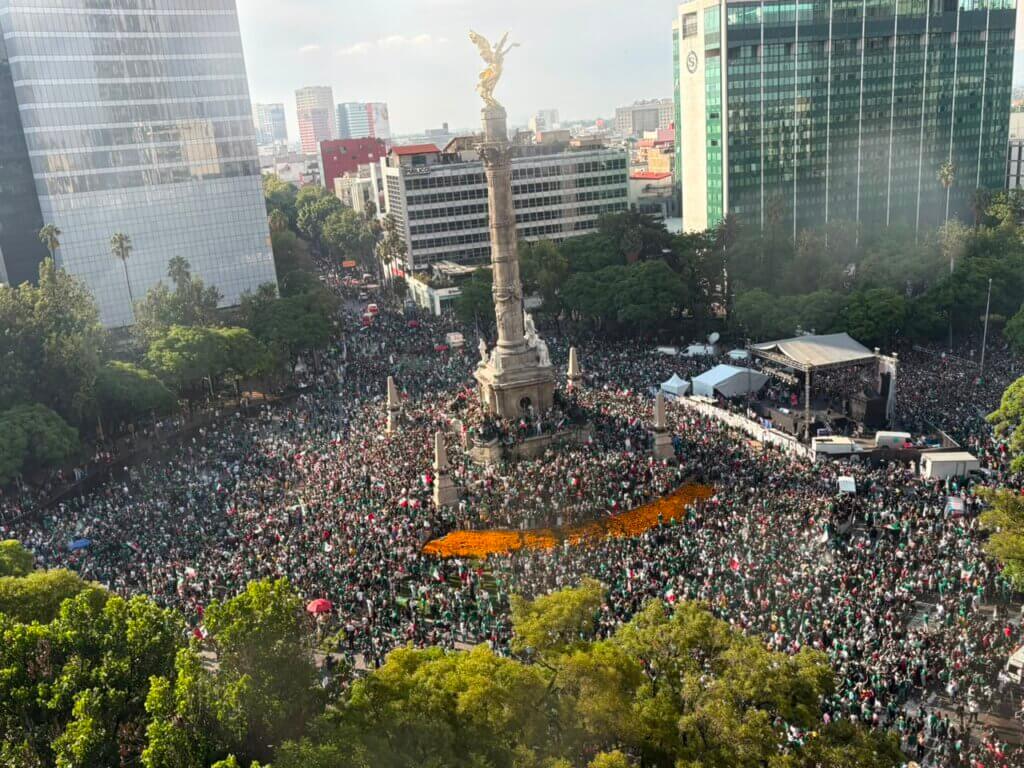
1. How a Metropolitan Area of 20 Million People Nearly Came to a Standstill on Opening Day
An unusually quiet morning, falling ride-hailing fares, and the post-match takeover of Paseo de la Reforma
On June 11, local time, Mexico hosted the opening ceremony and opening match of the 2026 World Cup.
Under normal circumstances, 8:00 a.m. on a weekday is one of the busiest times in Mexico City, with severe traffic congestion caused by the morning commute. However, the morning of June 11 was marked by an unusual sense of calm. There were very few vehicles on the roads.
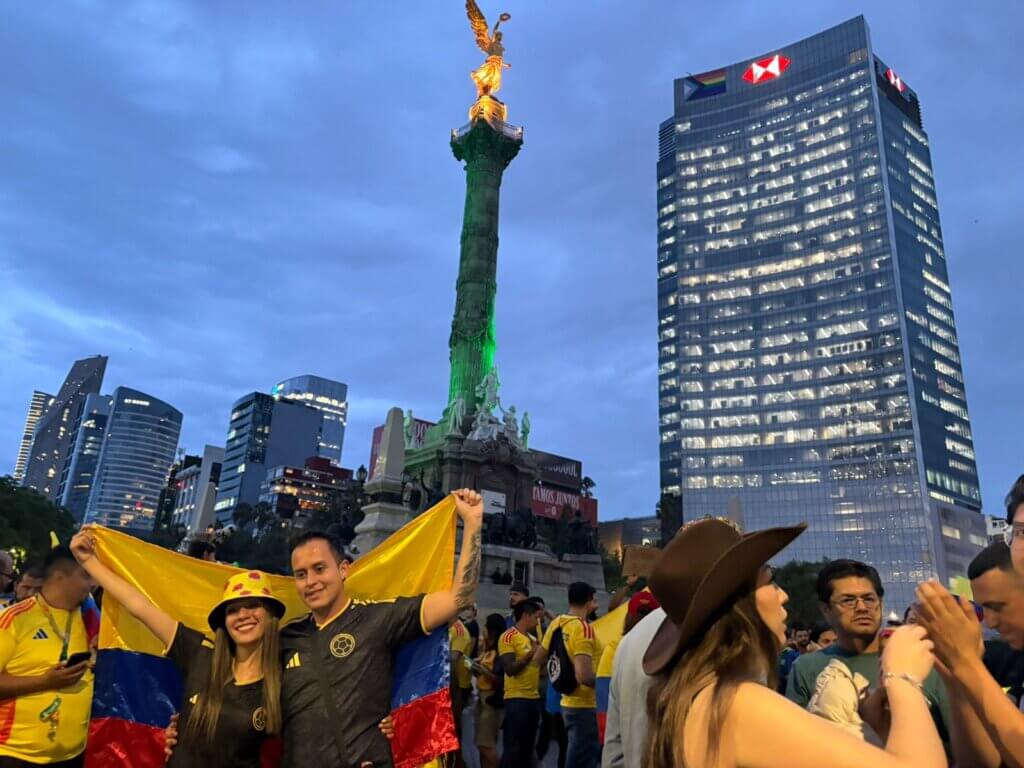
An equally striking sight was the large number of people wearing the green jersey of the Mexican national team. The vast majority of pedestrians seen throughout the city appeared to be dressed in national team colors. Many schools and workplaces were closed for the day or operated on shortened schedules ending at noon.
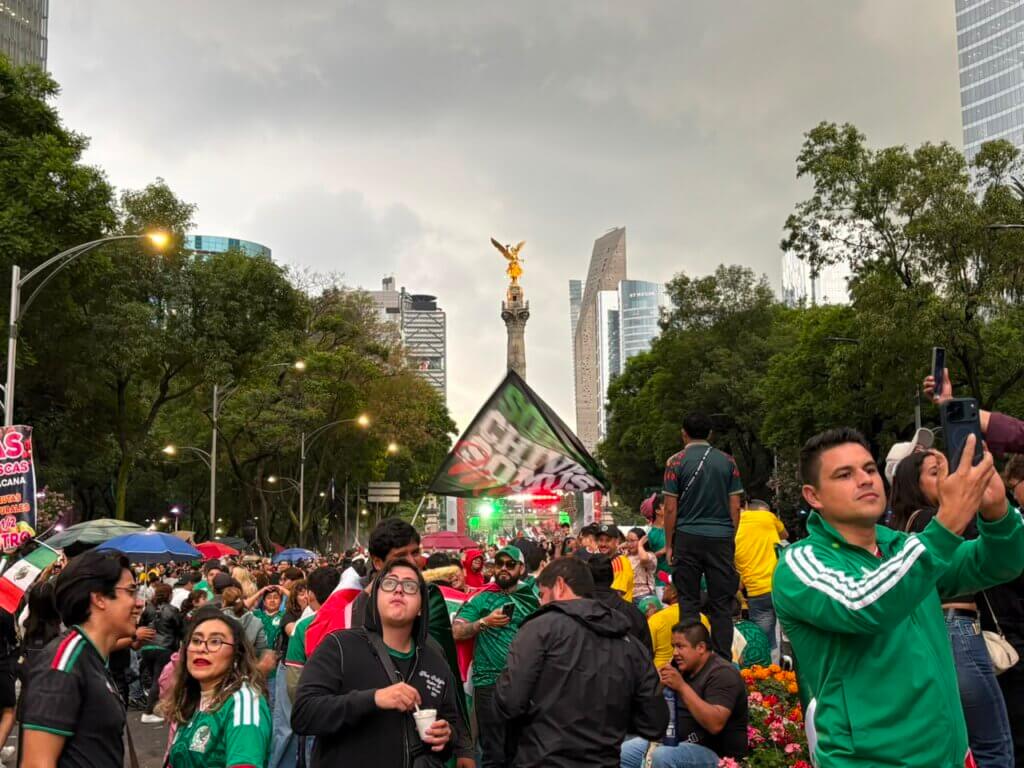
At 11:30 a.m., a colorful opening ceremony featuring artists with Latin American roots took place ahead of the opening match. At 1:00 p.m., Mexico faced South Africa in the tournament’s opening game.
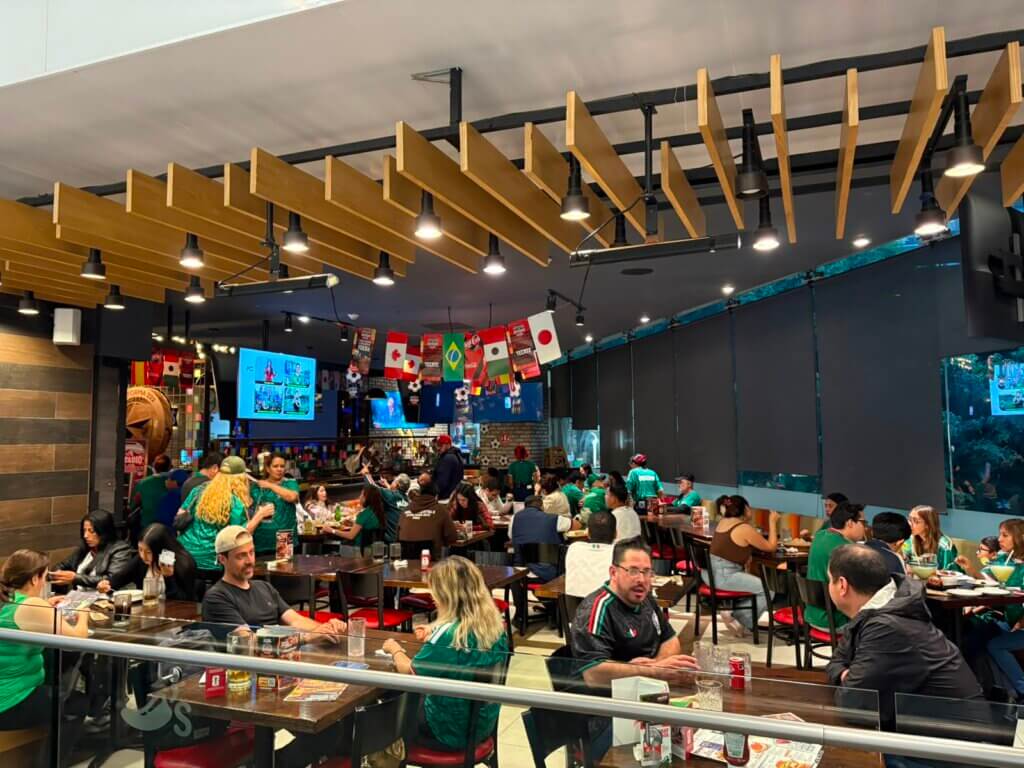
From the moment the match kicked off, television broadcasts could be heard from restaurants, shops, and homes throughout the city. Simply walking along the streets was enough to follow the progress of the game through the reactions and commentary echoing from nearby buildings.
During the match, demand for ride-hailing services such as Uber reportedly dropped sharply. According to local sources, fares fell to as little as one-fifth of their usual level as much of the city turned its attention to the game.
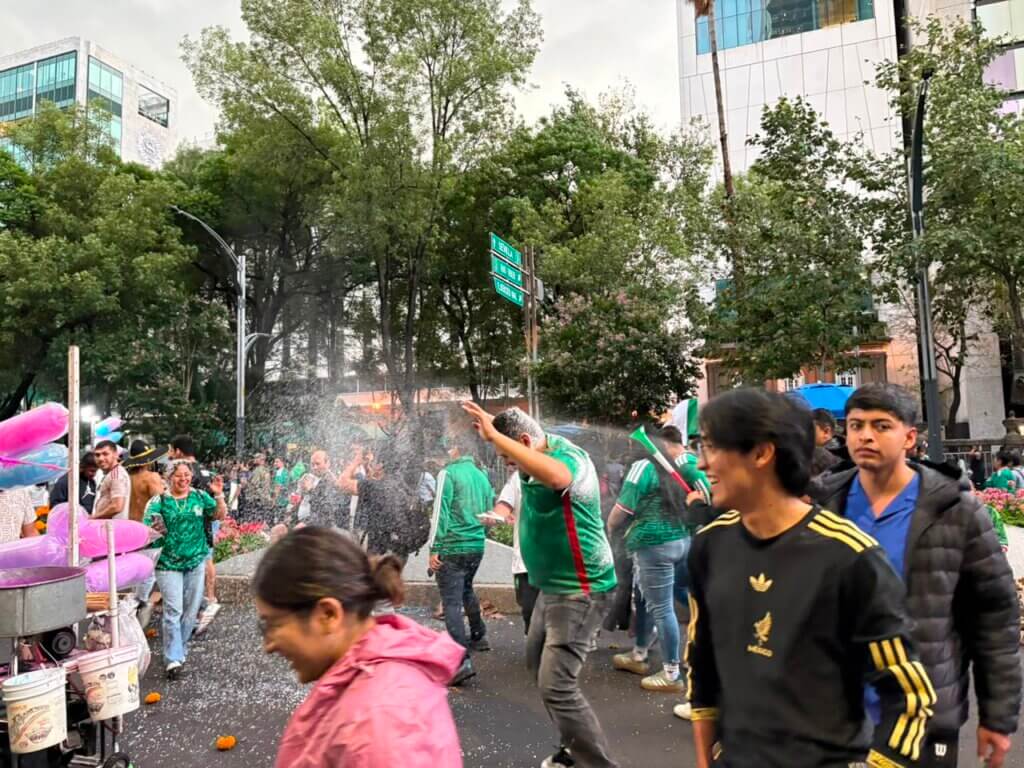
Following Mexico’s victory, the atmosphere across the city changed dramatically.
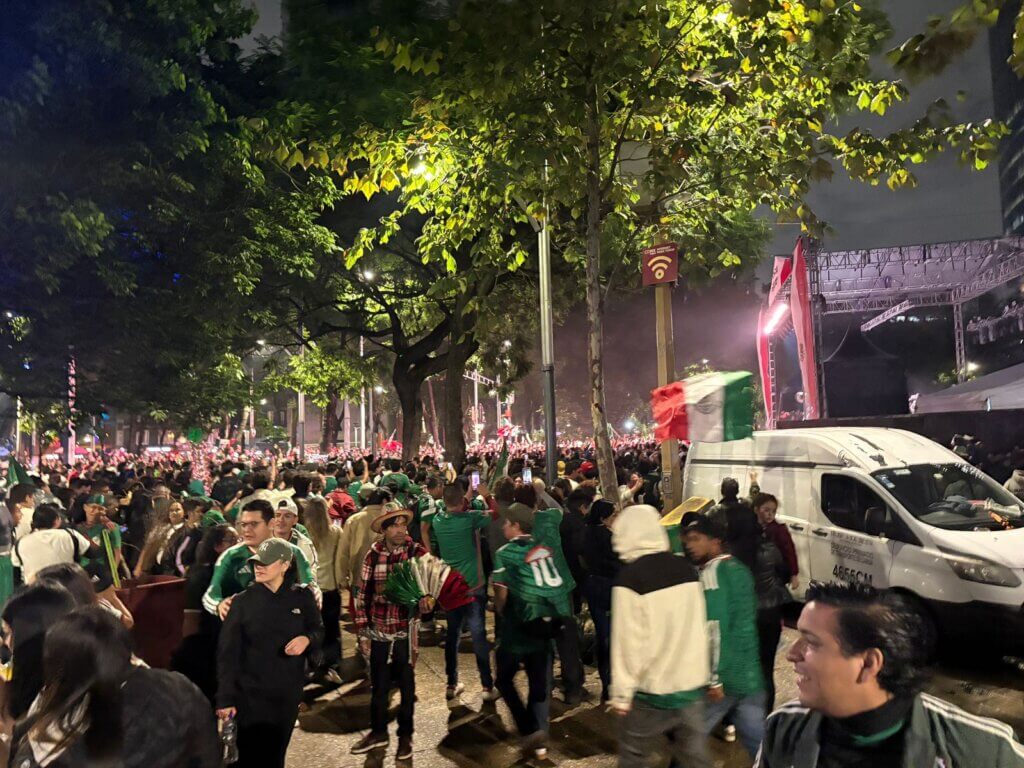
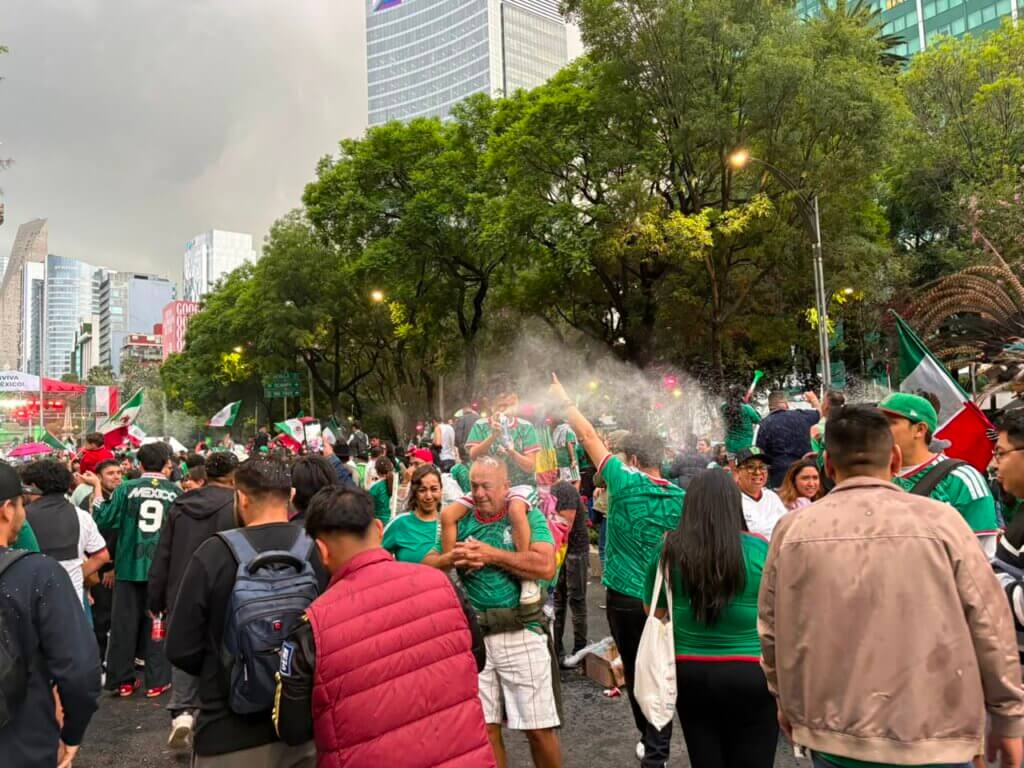
Paseo de la Reforma, the capital’s main boulevard, became completely filled with people wearing the green jersey of the Mexican national team and was closed to traffic. Throughout the area, the sounds of musical instruments and celebratory songs echoed through the streets as supporters gathered to celebrate the win.
One of the most remarkable scenes came immediately after the match.
As celebrations continued across the city, Mexico City was suddenly hit by a powerful storm, bringing heavy rain and strong winds. Despite the sudden change in weather, the crowds dressed in green showed little interest in leaving. Supporters continued singing, celebrating, and gathering in the streets, even as they were soaked by the rain.
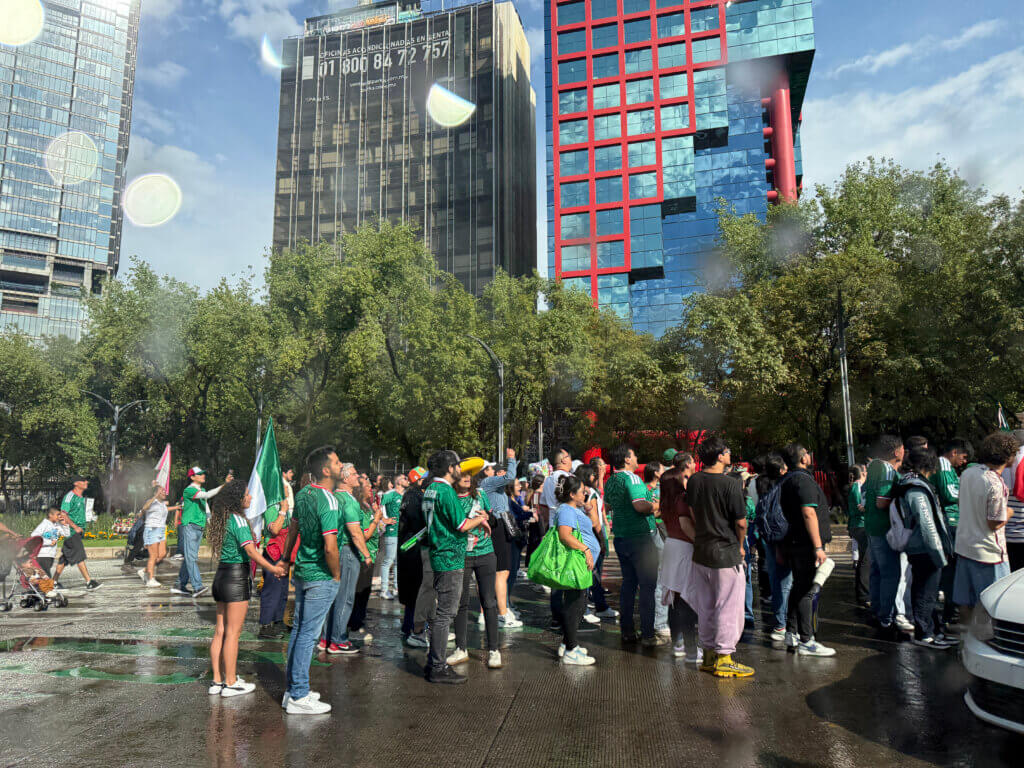
Approximately 40 minutes later, the storm passed as quickly as it had arrived. Clear blue skies returned, and the celebrations resumed with even greater energy. The festive atmosphere continued well into the night as supporters remained on the streets celebrating Mexico’s victory.
2. Airport Expansion and Smart Passenger Processing: How Mexico Prepared for World Cup Demand
Expanded check-in facilities, a new VIP lounge, and smartphone-enabled automation designed to prevent congestion
As cities across Mexico prepared for the influx of international visitors, football fans, and event stakeholders, attention also turned to the country’s airports. At Mexico’s primary international gateway, a large-scale modernization project had already begun more than a year before the tournament.
We spoke with an operations manager at Aeromexico, Mexico’s flagship airline. According to the company, its strategy focused on two priorities: expanding passenger processing capacity and introducing new technology.
One of the most significant changes was the expansion of check-in facilities. The number of check-in areas was increased from two to three, allowing larger numbers of passengers to move through the airport more efficiently.
In addition, a new dedicated lounge was created for VIP travelers, including corporate executives, sponsors, and other special guests. The facility provides a more comfortable space away from the main passenger flow.
Aeromexico also introduced four self-service baggage drop units, becoming the first Mexican airline to deploy the system. Similar technology is used at major airports in Japan, including Narita International Airport. The system allows passengers to check in their baggage using a smartphone-linked process, reducing the need for staff assistance.
By automating part of the baggage handling process, the airline aims to shorten waiting times and improve passenger flow during one of the busiest periods in its history.
3. Moving Broadcast Equipment for a Global Event: The Logistics Behind the Scenes
Moving More Than People: The Logistics Behind Oversized Event Cargo
At global events, the movement of large and heavy equipment is just as important as the movement of people.
Broadcasters, television networks, and media organizations from around the world arrive with specialized equipment, including large broadcast cameras, hundreds of meters of cable, and heavy lighting systems. Unlike ordinary passenger luggage, these items require dedicated handling procedures and are transported through specialized logistics channels.
According to representatives from Aeromexico, bringing specialized equipment into the country requires customs clearance and regulatory approval.
Even a small error in the process can cause significant delays in cargo handling operations. If critical broadcast equipment fails to arrive on time, television networks may face difficulties delivering live coverage to audiences around the world.
To support the transportation of oversized and heavyweight cargo, Aeromexico introduced three new forklifts dedicated to handling large shipments. Throughout the tournament, these vehicles have been operating continuously to move equipment quickly and safely, supporting the logistics operations that take place behind the scenes of a major international event.
4. Purple Pedestrian Bridges and a Citywide Welcome: How Mexico Prepared Beyond the Stadiums
Road improvements, new transit projects, and private-sector participation reshape the host city experience
Preparations for the tournament extended far beyond airports and stadiums. Across Mexico, efforts were undertaken throughout entire cities to ensure that international visitors, football fans, and media representatives would leave with a positive impression of the country.
In Monterrey, another host city for the 2026 World Cup and one of Mexico’s leading industrial and business hubs, authorities have advanced plans for a monorail connection between the airport and the city. The project forms part of a wider strategy aimed at improving visitor mobility and reducing traffic congestion during large-scale international events.
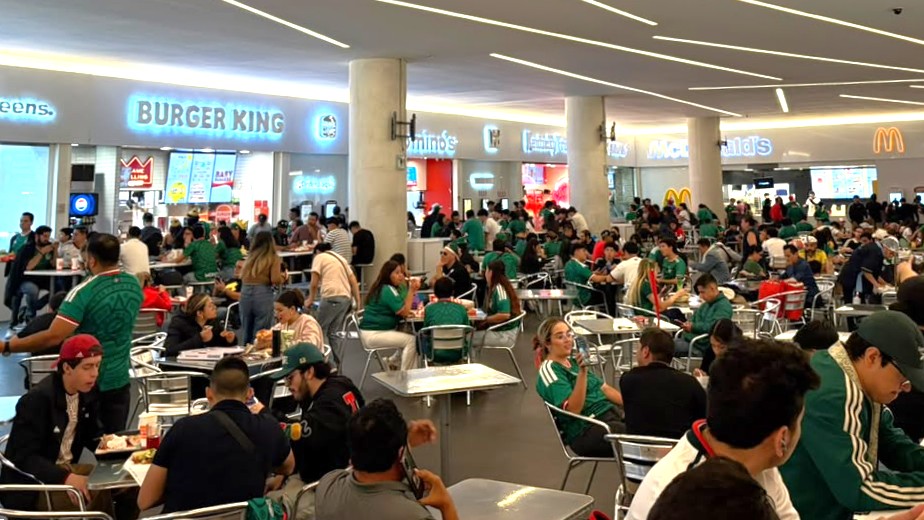
Preparation efforts also extended beyond government initiatives. Businesses and retailers across the country embraced the tournament atmosphere through themed decorations, promotional campaigns, and special visitor experiences.
5. “My Accreditation Pass Hasn’t Arrived!” Unexpected Challenges on the Ground
Even when the infrastructure is ready, operational issues can still emerge.
New technology has been introduced, roads have been improved, and preparations appear to be progressing smoothly. However, people working on the ground say there is growing concern about a number of unexpected operational challenges.
According to a local media coordinator, several issues had already begun to emerge before and during the opening stages of the tournament, highlighting the complexities of managing a major international event.
A common source of frustration involved media accreditation. Although registration deadlines had passed long before the tournament began, some journalists and media personnel reportedly had not received the credentials required to access venues, even on the day of the event.
Concerns about venue operations have also emerged. During previous major matches, some spectators reportedly waited more than an hour to enter stadiums because visitor flows were not managed efficiently at entrance checkpoints. Similar concerns have been raised during the current tournament. In some cases, multiple entrance gates were available, yet only one appeared to be operating, creating unnecessary congestion and raising questions about operational readiness.
According to local stakeholders, one of the greatest concerns is the lack of time available for full-scale operational testing. Parking facilities, security checkpoints, and entrance gates are often completed shortly before opening day, leaving little opportunity to conduct realistic simulations involving tens of thousands of visitors.
As one local coordinator explained, it is comparable to opening a theme park to the public without ever conducting a full operational test. The risks associated with such an approach are easy to imagine.
Editor’s Note: Behind the Scenes of a City Hosting a Mega-Event
Why operational flexibility and a Plan B matter in international business
Mexico City hosted the first Olympic Games ever held in Latin America in 1968. The World Cup was also held in Mexico in 1970 and 1986, with the 2026 tournament marking the country’s third time as a host.
Mexico’s ability to welcome major international sporting events is widely recognized. However, local staff pointed to a challenge they believe is unique to the country: the lessons learned from previous events are not always passed on to the next generation of organizers. As political leaders and organizational leadership change, teams are often reorganized, and valuable operational know-how accumulated over years can be lost.
That, they say, is one of the difficulties Mexico continues to face.
What became clear on opening day in Mexico City is that the success of a mega-event depends not only on the excitement generated by the event itself, but also on the systems supporting it. Airports, logistics networks, accreditation processes, crowd management, and visitor flows all play critical roles behind the scenes.
Even when infrastructure is ready, challenges can still emerge if accreditation passes are delayed, entrance gates are not operated efficiently, or full-scale operational testing has not been completed.
This is not a challenge unique to Mexico. Japanese companies participating in overseas trade shows or organizing business events abroad often encounter similar situations. In Japan, operations are generally expected to run according to schedule and established procedures. Overseas, however, the completion of facilities and the readiness of the teams operating them are often separate issues. Even the most modern venue can face difficulties if communication, coordination, and operational preparation fall behind.
For that reason, organizations operating internationally should assume from the outset that unexpected situations will occur. Rather than relying entirely on the original schedule, it is important to maintain flexibility and prepare alternative plans that can be activated when problems arise.
Behind every successful mega-event lies careful preparation, operational resilience, and the capacity to adapt when circumstances change. The ability to leave room for the unexpected may be one of the most valuable lessons that international events can offer to Japanese businesses expanding overseas.
Reporting and Editing: MICE TIMES ONLINE Editorial Team (with reporting by a local correspondent in Mexico City)
The information contained in this article is based on independent reporting and publicly available information. This article is an independent news and analysis report and does not imply or suggest any sponsorship, endorsement, or special relationship with FIFA (Fédération Internationale de Football Association) or any official rights holders.

-
【Opening in Spring 2027】THE NEXTT HOTEL to Open at Tokyo’s Tachikawa Station North Exit — Featuring a 1,050 sqm Grand Banquet Hall
-
ICCA 2025 Rankings Reveal Global Trends in International Association Meetings: Japan Leads Asia-Pacific with 77 Host Cities