
Accommodation and MICE: The Role of Hotels and How to Select Them
The Relationship Between MICE and Accommodation
MICE (Meetings, Incentives, Conventions, and Exhibitions/Events) represents a key driver of economic activity in both the business and tourism sectors.
To ensure the success of MICE events, selecting appropriate accommodation is as important as choosing the venue itself. Accommodation facilities are not merely places to stay; they play a critical role in influencing the overall outcome of an event.
This article outlines the functions that accommodation facilities fulfill within MICE and highlights key considerations when selecting them.
Three Key Roles of Accommodation in MICE
1. Enhancing Participant Satisfaction
Accommodation plays a significant role in shaping participants’ overall experience. When the venue and hotel are located within the same building or within walking distance, travel time is minimized, allowing participants to focus more effectively on event activities.
In addition, comfortable guest rooms and high-quality service contribute to a positive experience, which can influence participants’ willingness to attend future events.
2. Improving Operational Efficiency
When accommodation facilities can also function as event venues, operational efficiency is significantly improved. Hotels equipped with meeting rooms and banquet spaces enable the integration of accommodation and event functions, reducing logistical complexity.
Furthermore, access to in-house services such as catering and audiovisual equipment can streamline event preparation and reduce the workload for organizers.
3. Contributing to the Local Economy
The involvement of accommodation facilities in MICE events generates broader economic benefits for the host destination. In addition to lodging, participants’ use of local services and tourism activities contributes to increased regional spending.
This effect is particularly notable in regional cities, where the utilization of local accommodation facilities can support economic development and destination promotion.
Key Considerations When Selecting Accommodation
1. Prioritize Location and Accessibility
Accommodation should ideally be located close to the event venue and major transportation hubs. For large-scale international conferences and exhibitions, convenient access from airports and train stations is particularly important.
In addition, locations with nearby restaurants and attractions are often preferred, as they allow participants to combine business activities with leisure or networking opportunities.
2. Assess Capacity and Facilities
The selected accommodation should align with the scale of the event and the profile of participants. Large events require hotels with sufficient room inventory.
Key evaluation criteria include the capacity of meeting and banquet spaces, availability of audiovisual equipment, and the quality of internet connectivity.
3. Balance Budget and Value
As MICE events are often subject to budget constraints, it is important to ensure that accommodation costs remain proportionate within the overall event budget.
At the same time, selecting overly low-cost options may affect service quality. A balanced approach that considers overall value for money is essential.
4. Confirm Service Flexibility and Special Requirements
For events with international participants, considerations such as multilingual support and accommodation of religious or dietary requirements may be necessary.
It is also important to confirm flexibility in check-in and check-out arrangements, as well as the property’s ability to respond to emergencies and maintain appropriate safety standards.

Key Attributes of High-Quality Hotels
1. Distinctive Design and Sense of Place
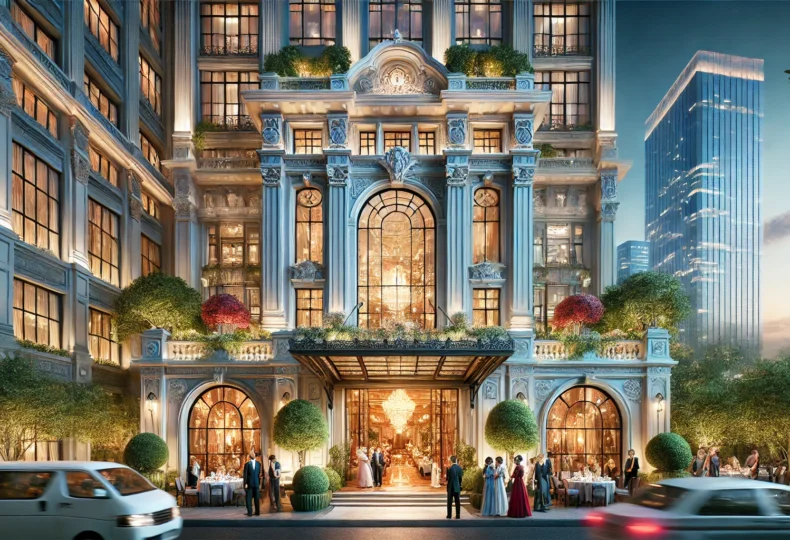
High-quality hotels often incorporate elements of local culture and identity into their design and atmosphere. By offering guests an experience that reflects the destination, accommodation can enhance the overall impact of the event.
Examples include interiors featuring local craftsmanship or restaurants that highlight regional ingredients, both of which contribute to a more memorable stay.
2. High Standards of Hospitality
Professional and attentive service is a critical factor in delivering comfort and reliability for participants. In international events, the availability of multilingual staff and the ability to respond promptly to issues are particularly important.
3. Value-Added Amenities and Services
Well-equipped hotels provide a range of amenities such as complimentary Wi-Fi, fitness facilities, and spa services. In addition, flexible services — including laundry and 24-hour room service — help accommodate diverse participant needs and contribute to overall satisfaction.
4. Commitment to Sustainability
Hotels that implement environmentally responsible practices are increasingly valued in MICE. Initiatives such as the use of renewable energy and efforts to reduce plastic waste are viewed positively by participants.
For events that prioritize sustainability, these factors are becoming an important part of the selection criteria.
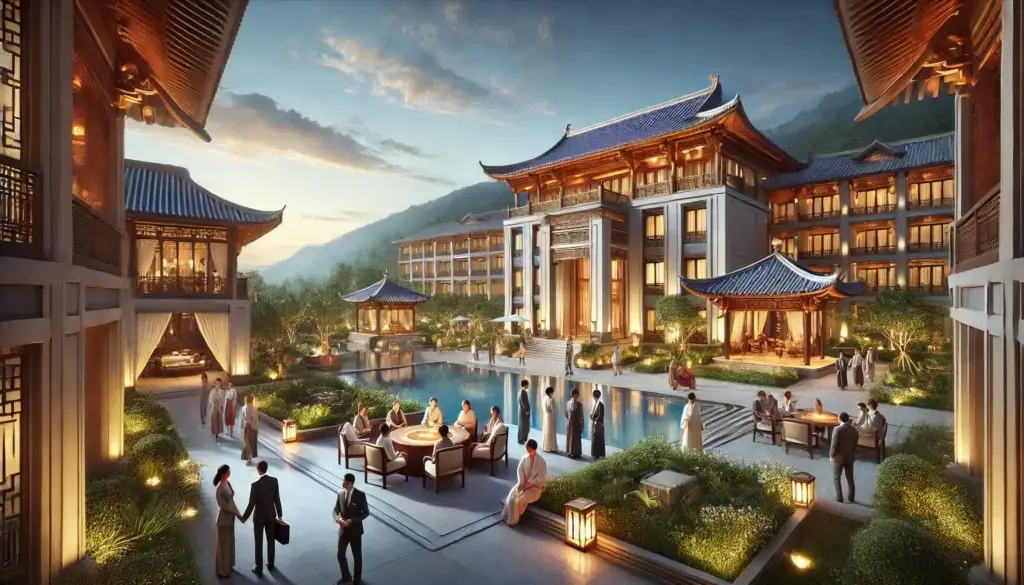
Incentive Travel and the Role of Accommodation
Incentive travel is designed to motivate employees and strengthen relationships with partners or clients. Within this segment of MICE, accommodation plays a particularly important role in shaping the overall experience.
1. Creating a Sense of Exclusivity
Incentive travel requires accommodation that offers a distinctive and memorable experience. Luxury resorts and boutique hotels with unique design concepts are often selected to provide a sense of exclusivity and a break from everyday routines.
2. Supporting Team Building Activities
Accommodation facilities can also serve as venues for team building and training programs. Meeting rooms and outdoor spaces within the property allow organizers to integrate structured activities, helping to strengthen relationships among participants and enhance the overall value of the program.
3. Enabling Local Experiences
Incentive travel often emphasizes engagement with the destination. Accommodation serves as a base for accessing local culture and activities.
Programs such as guided tours led by local experts or dining experiences featuring regional specialties contribute to a more memorable and meaningful travel experience.
成功した宿泊施設活用例 東京都内で開催された、とある大規模な国際会議では、会場となるコンベンションセンターに隣接するホテルが多数利用されました。参加者全員が同じ宿泊施設あるいは近隣の宿泊施設を利用することで、交流の機会が増え、ネットワーキングが円滑に行われました。宿泊施設が提供するレセプションパーティー会場も活用され、参加者全体の満足度が高まりました。 別の例としては地方都市で開催された学術会議では、地元の宿泊施設を活用することで地域の観光地や食文化を体験してもらう仕掛けが行われました。その結果、参加者に地域の魅力を伝えるとともに、地元経済への貢献を実現しました。 また、インセンティブトラベルにおいては、南国リゾートを選んだ企業があり、従業員がリゾートの贅沢な環境でリフレッシュする一方で、チームビルディングや地元文化の体験を通じて、士気向上と連帯感の強化を達成した成功例があります。 最後に MICEイベントの成功には、宿泊施設の選定が欠かせません。参加者の満足度向上、イベント運営の効率化、地域経済への貢献という観点から適切な宿泊施設を選ぶことが、イベント全体の質を高める鍵となります。また、インセンティブトラベルのような特別な形態においても、非日常感や地域体験を提供できる宿泊施設の選定が重要です。立地、設備、予算、サービスといった要素を総合的に判断し、参加者が快適かつ有意義な時間を過ごせる宿泊施設を選ぶことが成功への第一歩となります。
Examples of Effective Use of Accommodation
In a large-scale international conference held in Tokyo, multiple hotels adjacent to the convention center were utilized. By accommodating participants in the same or nearby properties, opportunities for interaction increased, facilitating smoother networking. Reception venues provided by the hotels were also used, contributing to higher overall participant satisfaction.
In another case, an academic conference held in a regional city leveraged local accommodation facilities to incorporate experiences of local tourism and cuisine. This approach not only enhanced participants’ understanding of the destination but also contributed to the local economy.
In the context of incentive travel, there are examples where companies selected resort destinations, allowing employees to experience a high-quality environment while also participating in team building activities and local cultural programs. These initiatives supported both motivation and stronger team cohesion.
Conclusion
The selection of accommodation is a critical factor in the success of MICE events. From the perspectives of participant satisfaction, operational efficiency, and economic impact on the host destination, appropriate accommodation planning directly influences overall event quality.
In formats such as incentive travel, the ability of accommodation to provide distinctive experiences and connections to local culture becomes particularly important. Evaluating factors such as location, facilities, budget, and service comprehensively is essential to ensure that participants have a productive and comfortable experience.

-
Shareholder Meetings Are Also MICE: A 2025 Guide to Fundamentals and Evolving Formats

-
May 2026 Trade Shows & Events in Japan: 41 Featured Exhibitions and Conferences Including Japan Hobby Show, SusHi Tech Tokyo, Automotive Engineering Exposition, and BitSummit