[International Case Study] How Do South Korean Students Learn MICE Practice? A Firsthand Report on the Activities of Kyung Hee Convention Society Members
Students take the initiative: A range of activities, from exhibiting at trade shows and operating events to visiting venues in different regions
Students majoring in MICE-related fields in South Korea focus on gaining practical experience early, rather than limiting their learning to theory in the classroom. This article looks at the activities of Kyung Hee Convention Society as an example of developing young talent for South Korea’s MICE industry, and introduces what the next generation is learning in the field and how. This is not an article written by a faculty member or a university promotional piece. It is a valuable report offering a firsthand look at students studying MICE in South Korea.
Updated October 6, 2026: Added comments from Professor Kim Bong-seok of Kyung Hee University.
The hands-on, field-based education program of Kyung Hee Convention Society
At South Korean universities, more students are joining campus organizations alongside their studies, directly analyzing industry operations and taking the lead in planning projects to develop practical skills. One such MICE-related student organization is Kyung Hee Convention Society, which has been active since its formal launch in 2003. MICE TIMES ONLINE’s editorial team first took notice of the society’s activities when it visited the group’s booth while covering KOREA MICE EXPO 2025.
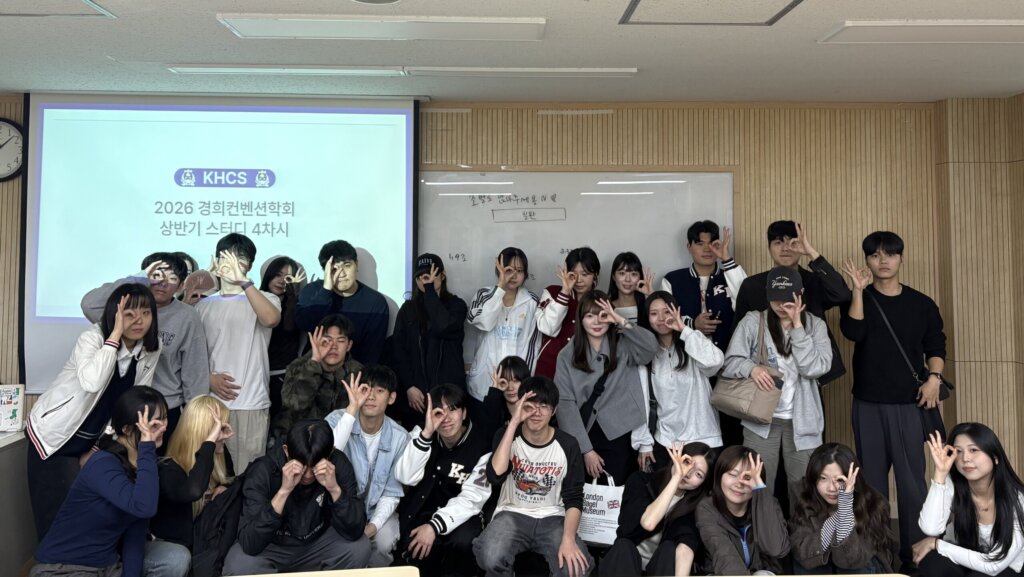
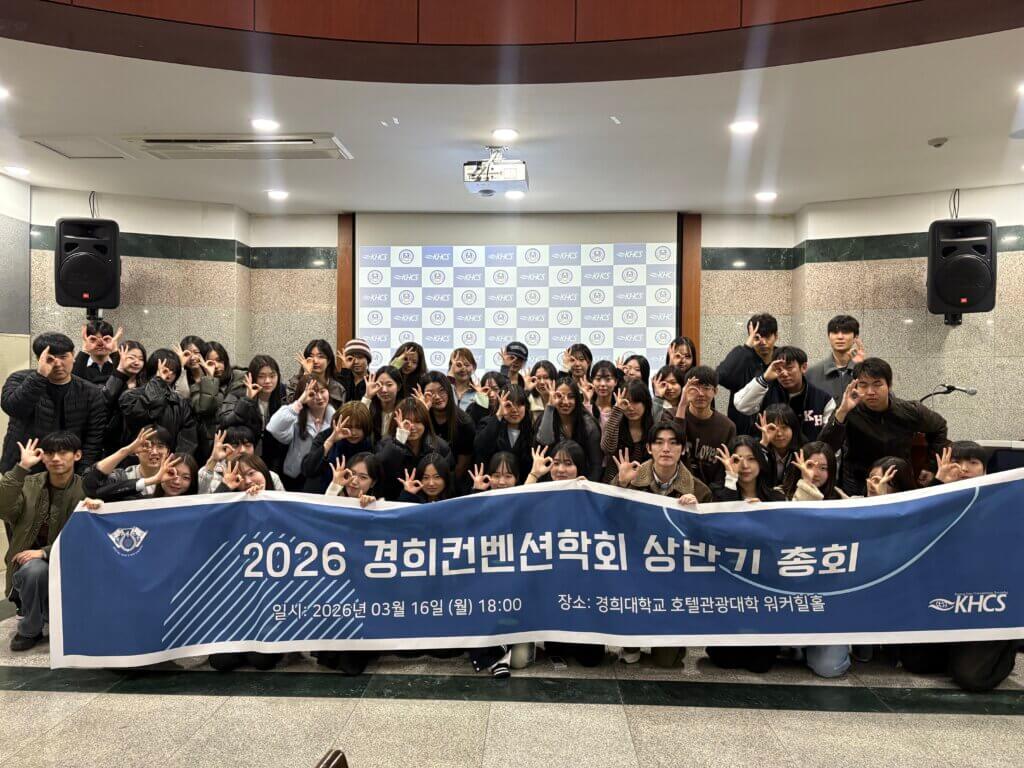
The society is the university’s only MICE-related student organization and currently has around 50 members. It describes itself as an organization that bridges the gap between academic theory and real-world practice. As future planners of exhibitions and international conferences, members place importance on moving beyond classroom-based learning and gaining experience by planning and organizing events themselves. The society also actively leads collaborations with other venues and related organizations, and gives students opportunities to engage with professionals at the forefront of the industry.
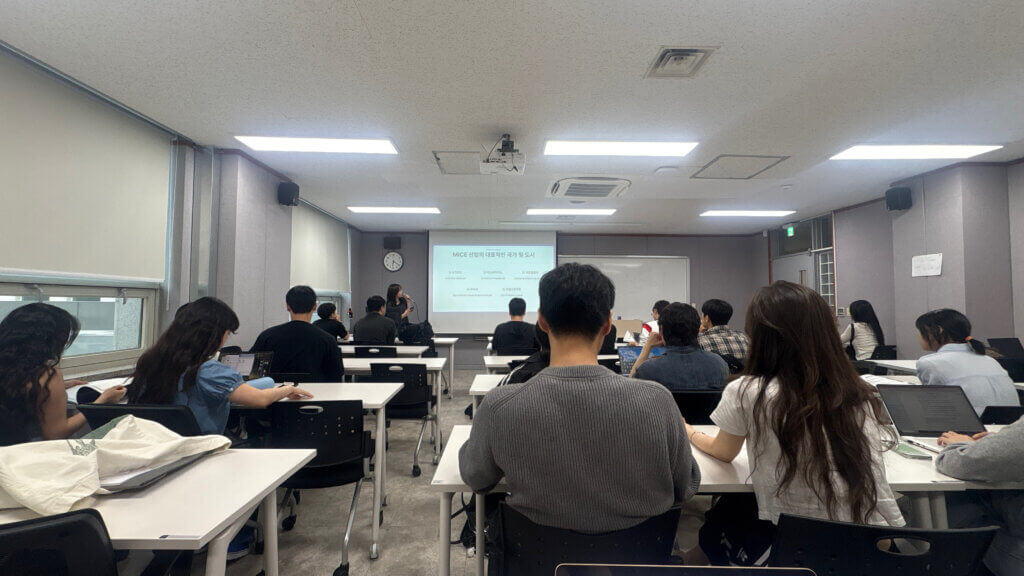

Key term: What does “society” mean in the context of South Korean student organizations?
At South Korean universities, the term “society” has a somewhat different meaning from the academic organizations in Japan that are primarily made up of researchers. Here, it refers to a student organization in which students with a shared interest in a particular field conduct research and practical activities outside class. Kyung Hee Convention Society (KHCS) gives students studying MICE a place to deepen their understanding of professional practice through venue visits, field analysis and planning activities, in addition to theoretical study. In Japanese, it is similar to a student research group, a student organization focused on a particular field or a student association.
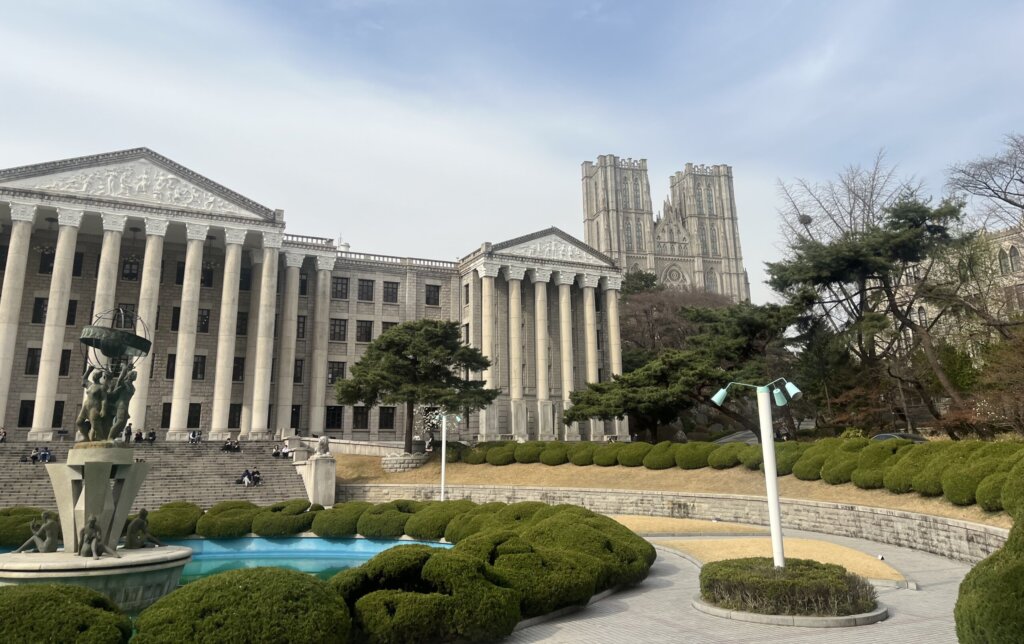
Key term: What is Kyung Hee University?
Kyung Hee University is a leading private university in South Korea, headquartered in Seoul, with a grand campus reminiscent of medieval European architecture. It has a strong international reputation, particularly in tourism and hospitality, and is also known for its work in developing talent and attracting events in MICE, including international conferences and events. At its popular language institute, students can learn Korean through the “Toumi” tutoring program, in which local students provide support. The campus is also home to the Hall of Peace, a venue for K-pop concerts and international conferences, creating an environment where academic study, culture and advanced business come together.
Based on the 2026 admissions guidelines, the university has 23 colleges, 8 schools and 83 departments, with approximately 2,000 faculty and staff members and approximately 34,000 enrolled students.
Kyung Hee University website https://iie.khu.ac.kr/jp/
Kyung Hee Convention Society at KOREA MICE EXPO: Reporting on initiatives for young talent in South Korea
What the 2026 learning theme “Spot & Link” means
The society holds regular weekly study sessions to explore the latest industry trends and key issues in depth. In the first half of 2026, the sessions followed the theme “Spot & Link.” Combining “Spot,” meaning to discover, and “Link,” meaning to connect, the phrase expresses the students’ intention to connect industry trends with their own perspectives in new ways.
Following a curriculum designed by the society’s leadership, students work on planning activities under a different theme each week. Presentations and discussions about their work help them broaden their perspective on the industry as a whole. The society also uses quizzes after study sessions to make specialized knowledge easier to learn. Through these varied approaches, students deepen their understanding as they work to connect the MICE industry with the next generation.
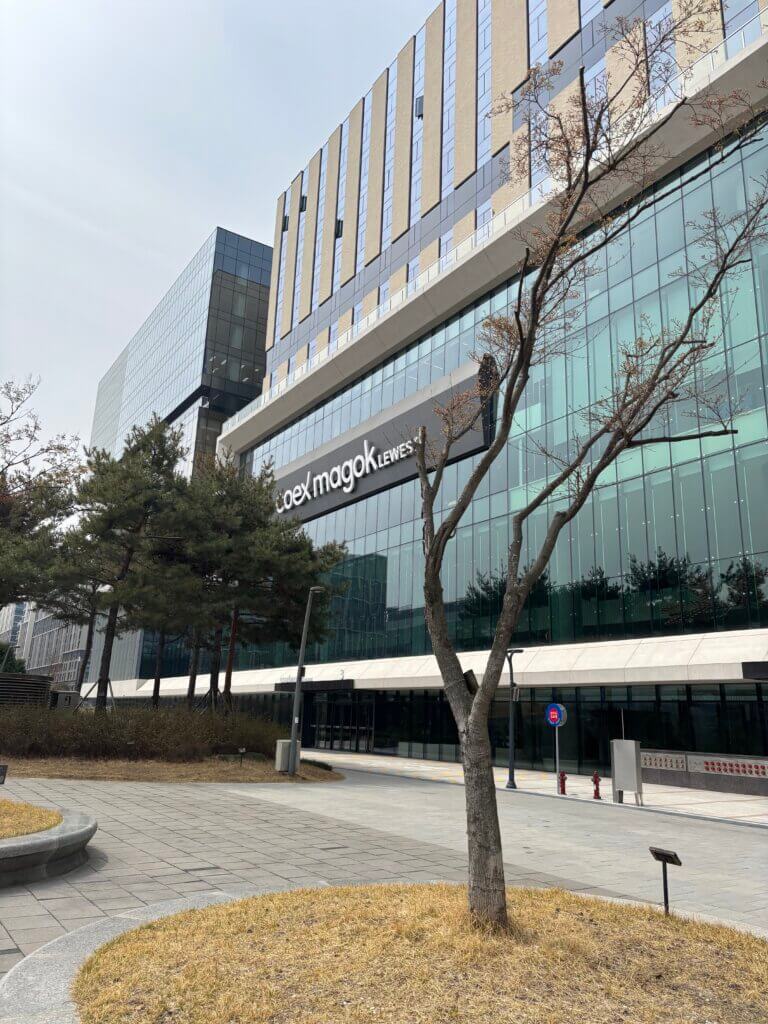
Learning through visits to new MICE venues
Spatial design and revenue strategies at COEX Magok, a mixed-use complex in Seoul
Before visiting a venue, students first study its background and related concepts. Before visiting COEX Magok, which the original article says opened in April 2026 as a new hub in southwestern Seoul, they studied the dual-hub strategy promoted by the Seoul Metropolitan Government. While the existing COEX in Gangnam is a hub centered on large-scale trade shows, COEX Magok is positioned as a knowledge-intensive venue working with IT and biotech companies concentrated in nearby industrial complexes.
Before the visit, students had focused on the venue’s vertical design, which allows exhibitions and academic conferences to take place at the same time. On site, they saw how the routes from the exhibition hall on the first floor to the convention hall on the fourth floor and 39 meeting rooms were designed to make it easier for attendees to move around. Those routes are also connected by dedicated elevators to a hotel with approximately 400 guest rooms. From an organizer’s perspective, offering exhibition space and hotel rooms together as a package can help improve attendees’ stay experience.
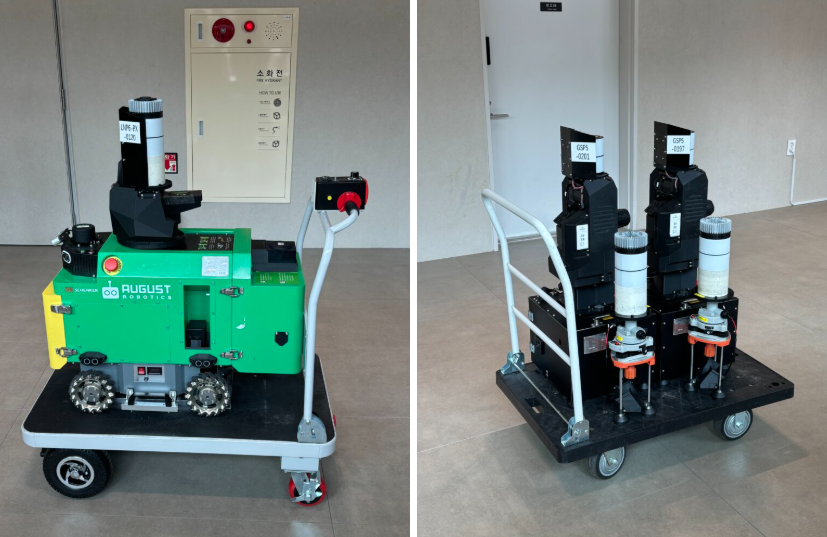
Because of the scale of the complex, columns supporting the building are located inside the exhibition hall. Students initially viewed them as a drawback in terms of spatial planning. After hearing directly from the venue’s operating staff, however, they learned that columns can also serve as a strategic tool for planners to support sales. By setting different rental rates for shell-scheme and space-only booths depending on whether columns are present, the venue turns a structural constraint into a revenue model. Students also saw a state-of-the-art robot being used to mark the floor, an early step in exhibition setup, and considered how smart infrastructure could become a way to reduce the operational burden on organizers.
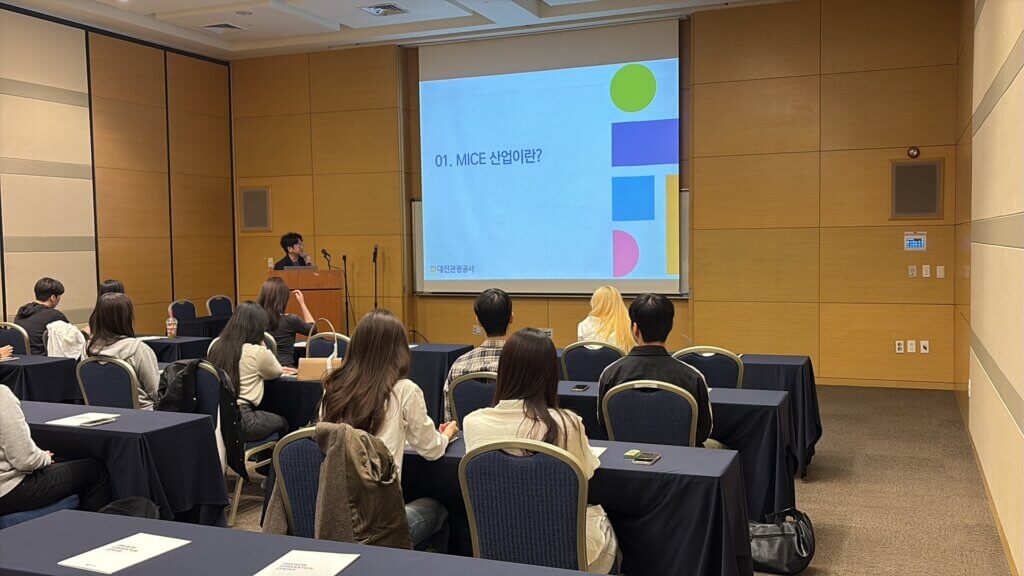
At Daejeon Convention Center
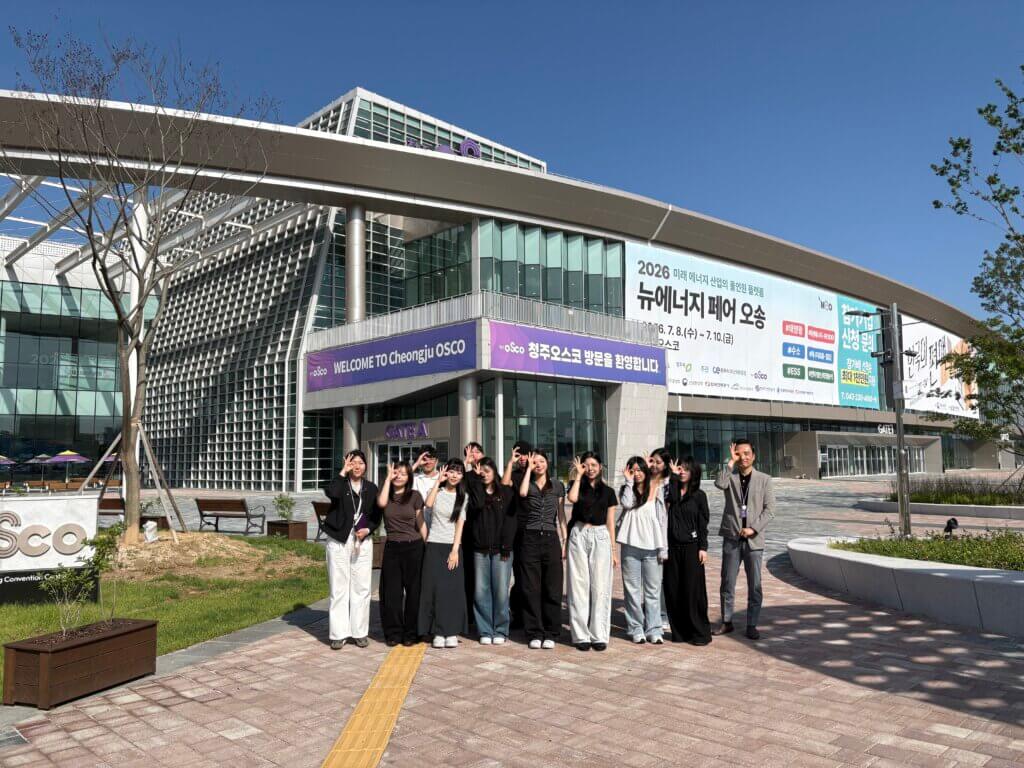
At Cheongju Convention Center
Understanding regional characteristics through visits to local convention centers
The students’ visits extend beyond central Seoul. They have also visited regional venues such as Daejeon Convention Center and Cheongju Convention Center to learn about the industrial characteristics of each area. Kim Da-in, who visited both locations, said the visit to COEX Magok focused mainly on the convention facility itself, while the Daejeon visit offered practical knowledge through a question-and-answer session with venue staff. She also said that visiting unique venues distinctive to the Daejeon area and planning a sightseeing route themselves were memorable activities that helped her recognize the importance of planning in collaboration with the region.
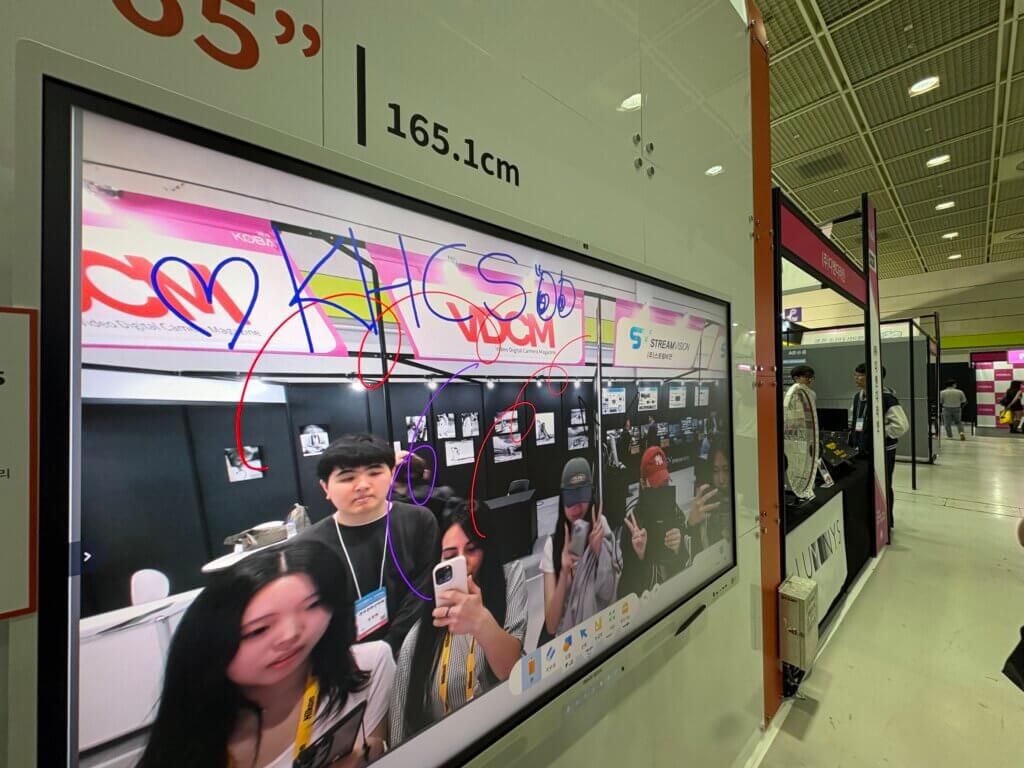
Considering event technology and visitor-attraction strategies at exhibitions
Understanding industry trends through a field-visit program
After learning about the physical characteristics of venues, students move on to examining the activities and services that fill those spaces. One factor behind their development as practical professionals is the society’s original field-visit program, the “Convention and Exhibition Support Project.” Students do more than visit and observe venues. Using a custom bingo-board-style mission, they analyze elements such as exhibitions and conferences, keep up with industry trends and deepen their understanding of professional practice. During the first half of the year, they visited exhibitions on a range of themes, including All That Travel, Mega Show and PlayX4, and compared visitor numbers and booth operations in light of each event’s purpose and characteristics.
Experiential marketing with the latest equipment at the international exhibition “KOBA2026”
At “KOBA2026,” one of South Korea’s largest exhibitions for broadcasting, video, audio and lighting, students examined event technology and the operational design prepared by the organizer. They handled the latest cameras and broadcasting equipment on site and explored the media infrastructure essential to contemporary events. They were particularly interested in how each camera booth had a dedicated test model so visitors could immediately test the product’s performance. The students observed an experiential marketing strategy designed to encourage visitors to use the equipment in conditions close to real-world settings and spend more time at the booth.
Learning about operational challenges in the field
Alongside learning about successful exhibition planning, students also study operational challenges. At some experiential booths, giveaway items prepared for participants ran out sooner than expected. At others, schedules for the next experience session did not align well, causing visitors to miss the opportunity to take part. By observing these situations, students gain firsthand lessons about how careful scheduling and appropriate inventory management can affect visitor satisfaction.
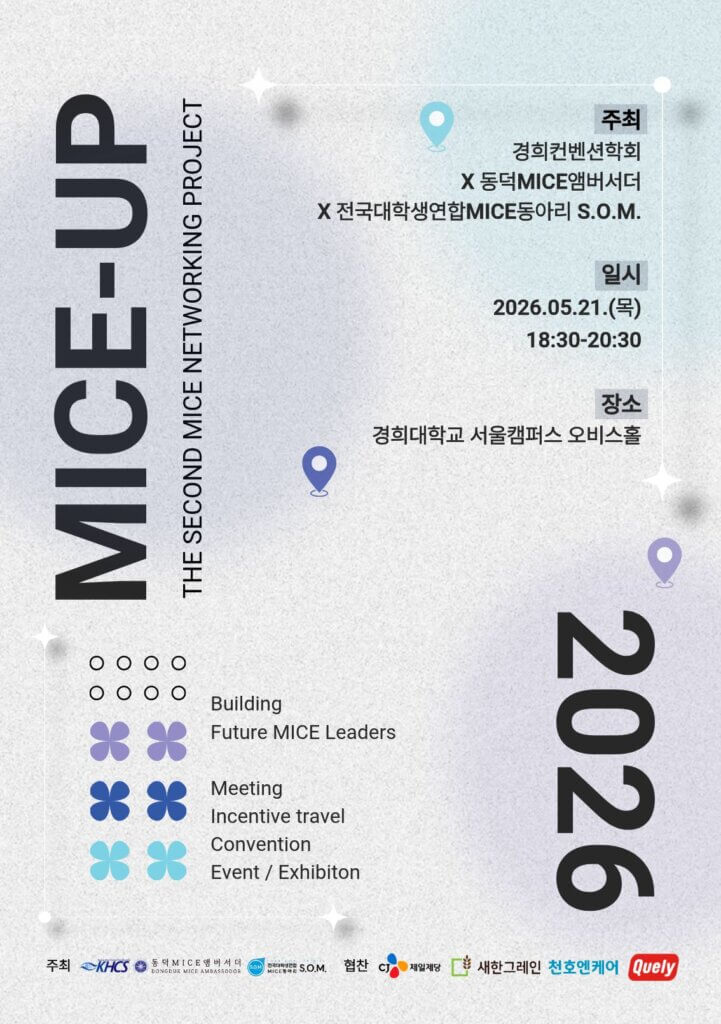
Planning and operating a large networking event led by students
The 2026 MICE-UP event, made possible through industry-academia collaboration
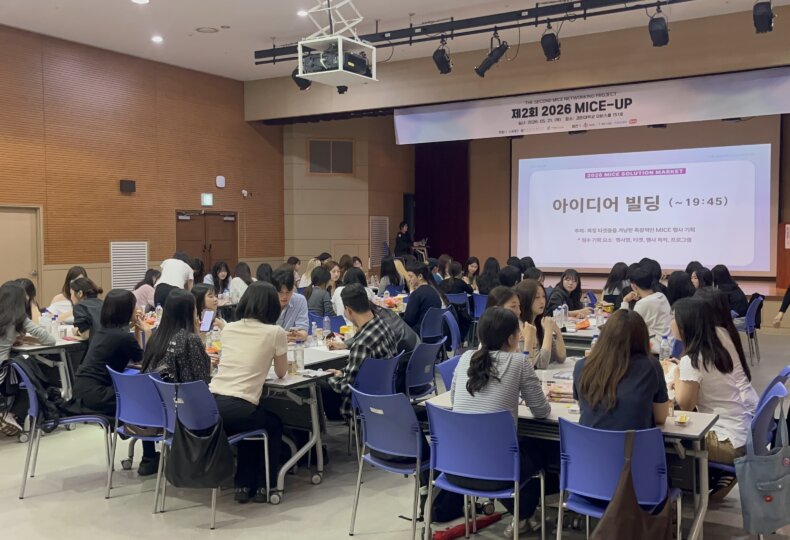
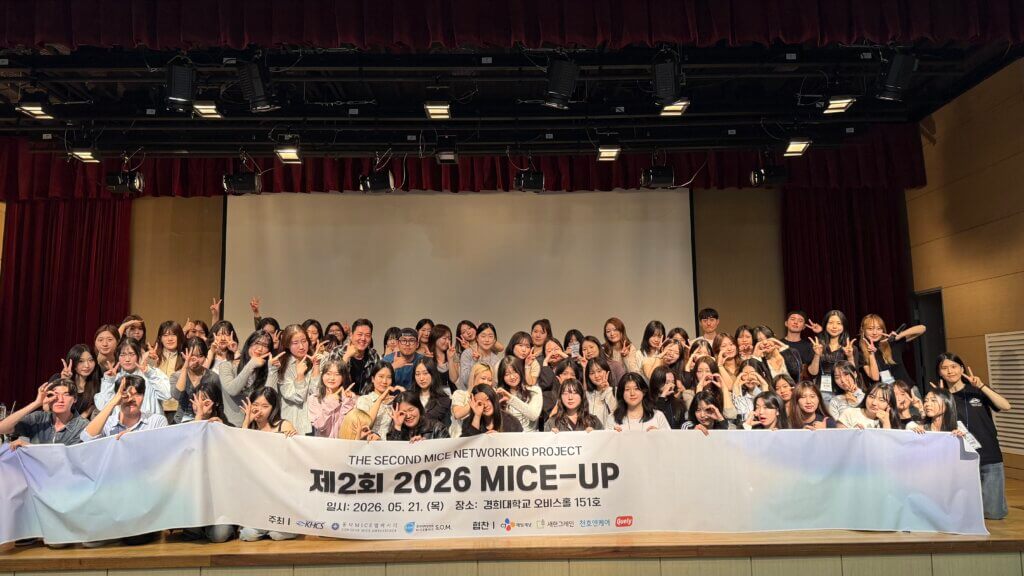
Students create opportunities for wider engagement with industry stakeholders, in addition to the society’s internal programs. The second 2026 MICE-UP, a networking program for university students, was held at Kyung Hee University in May. It was co-organized with Dongduk MICE Ambassadors, a student organization at Dongduk Women’s University, and clubs affiliated with a nationwide university student union. Around 80 university students interested in the industry gathered to share their experiences and build connections. The event, which began the previous year, reached its second edition through ongoing communication among the organizing teams. In addition to attracting more participants, the organizers secured sponsorship from four companies, expanding the event’s scale and quality.
A practical proposal process through participatory programs
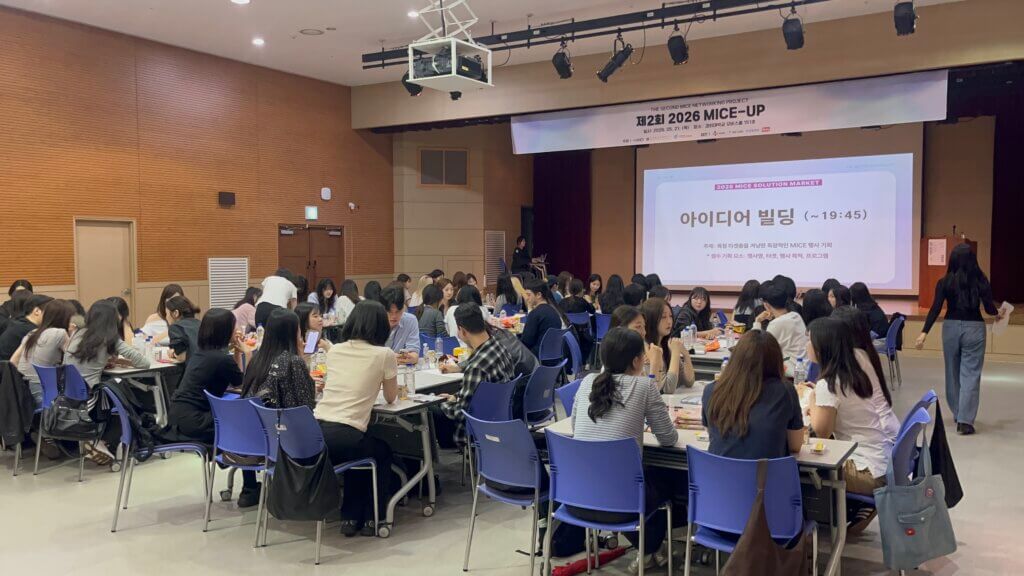
The event was designed not only to help students get to know one another, but also to give participants ways to share ideas and collaborate naturally. They learned about one another’s backgrounds through activities that eased the tension of meeting for the first time, then built new relationships by talking about their interests and future career paths. The central program, “Solution Market,” involved groups selecting a target audience, planning a convention event and presenting their ideas to buyers serving as judges in an effort to sell their proposals.
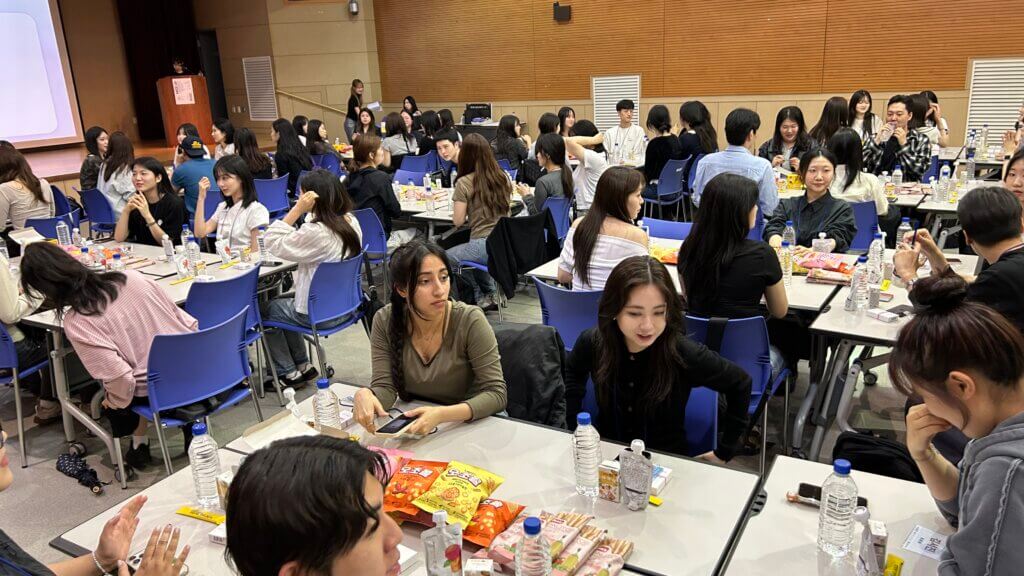
Kim Da-un, who took part in the event, said that connecting with students from other universities who shared similar goals gave her access to a great deal of information. She said she would like to plan an event herself as part of the organizing team next time. Cho Ha-young, who was on the organizing team at the previous event and attended this time as a participant, also expressed hope that the event would continue. From choosing the theme and planning the program to negotiating sponsorship with companies and managing the event on the day, students handle every stage themselves and build valuable practical experience. Many hands-on programs are also planned for the second half of the year, including company-linked competitions and company visits.
Are we showing young people that MICE is a field worth building a career in?
As this article has shown, South Korean students are developing a practical understanding of the industry by visiting real-world sites, rather than limiting themselves to theories taught in the classroom. Their initiative offers useful insights for people working in Japan as well. Universities and educational institutions in Japan, as well as companies that host students, are being challenged to go beyond providing knowledge or arranging short visits. They need to create practical environments where students can enter the workplace, identify issues themselves and propose solutions.

Kyung Hee University booth at KOREA MICE EXPO 2025, photographed by the editorial team
Since visiting the Kyung Hee University booth at KOREA MICE EXPO last year, the MICE TIMES ONLINE editorial team has held online meetings with the students on several occasions. During that process, we gave them the opportunity to write an article and asked them to prepare a report. I gave them practical and rigorous feedback on reporting and writing. Even though this was their first time writing an article, their first draft was already of a high standard. Some students also showed a strong desire to revise their work until it reached a level suitable for publication on MICE TIMES ONLINE.
People who think, take action and turn ideas into reality on their own initiative are essential to the future of the industry. In this case, the South Korean students reviewed their work themselves and tried to bring it to a standard suitable for publication in the media, even as they received rigorous feedback on their reporting and writing. I believe their perseverance, motivation and attitude reflect the society’s regular activities. To draw out students’ motivation and help them see MICE as an engaging field worth building a career in, the industry must engage with them seriously as future professionals, rather than treating them simply as “students.”
Activity report prepared by: Bang Jeong-gyeong and Lee Chae-won, Kyung Hee Convention Society
Edited and written by: Koji Inoue, MICE TIMES ONLINE (IZAN)
Reflections on receiving feedback on the report
Lee Chae-won: I struggled with how to convey the society’s activities and with the fact that I was bringing in my personal views. Looking back at the report helped deepen my affection for the society.
Bang Jeong-gyeong: Writing an article was a first for me, and I felt it was a meaningful experience.
Message from Professor Kim Bong-seok of Kyung Hee University (updated October 6, 2026)
Kyung Hee University has played a pioneering role in education and industry development in the fields of conventions, exhibitions and MICE in South Korea. The undergraduate Convention Management program was once one of the largest specialized programs of its kind in the country and has produced many professionals who have contributed to the growth of South Korea’s convention and exhibition industry.
In recent years, we have reorganized our undergraduate education to respond to the expanding scope of the global MICE and hospitality industries. Hotel management, food service management and convention management have been integrated into the broader framework of “Hospitality Management.” By studying across these fields, students can understand the role of MICE within the wider hospitality and tourism industries. Our curriculum is widely recognized as a leading undergraduate program in hospitality and MICE in South Korea.
A defining feature of our education is the longstanding emphasis on student-led activities and engagement with industry. Kyung Hee Convention Society, a student organization specializing in conventions and exhibitions, carries out a wide range of activities, from academic work and practical projects to extracurricular activities. Students actively propose and participate in projects, particularly those involving collaboration between industry and academia. These projects give them opportunities to work on real-world challenges in cooperation with convention centers, exhibition organizers and MICE-related companies.
The graduate school offers two programs specializing in convention and exhibition management. The Department of Convention and Exhibition Management at the Graduate School offers master’s and doctoral programs and focuses on developing future researchers and leaders in academia. The same department at the Graduate School of Tourism offers a master’s program mainly for practitioners and people working in the industry. Students can develop advanced research and management skills while continuing to work.
In recent years, with support from research and talent-development programs run by South Korea’s Ministry of Trade, Industry and Energy, we have also established a new graduate-level program in data-driven exhibition and convention management. It combines traditional MICE management with big data analysis, AI, digital marketing and digital transformation (DX), and points to a new direction for exhibition and convention education.
Building on its long history of MICE education, Kyung Hee University is advancing interdisciplinary hospitality education, graduate-level research and data-driven industry-academia collaboration. Through these initiatives, we will contribute to the development of the next generation of MICE professionals, researchers and industry leaders in South Korea and around the world.
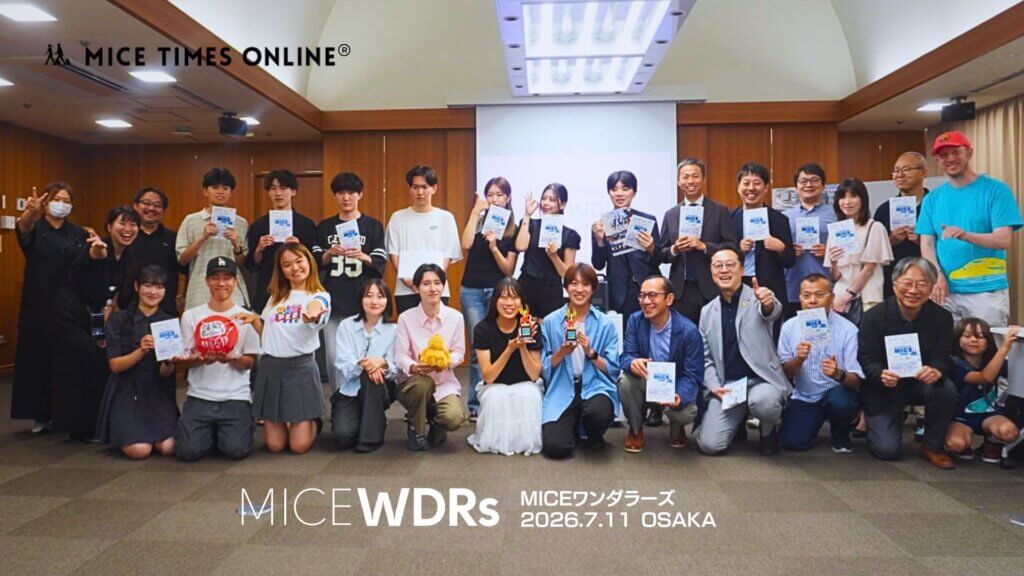
Events in Osaka attended by society members