[On-site Report] SusHi Tech Tokyo 2026: Discovering Technologies That Could Shape the Future of MICE
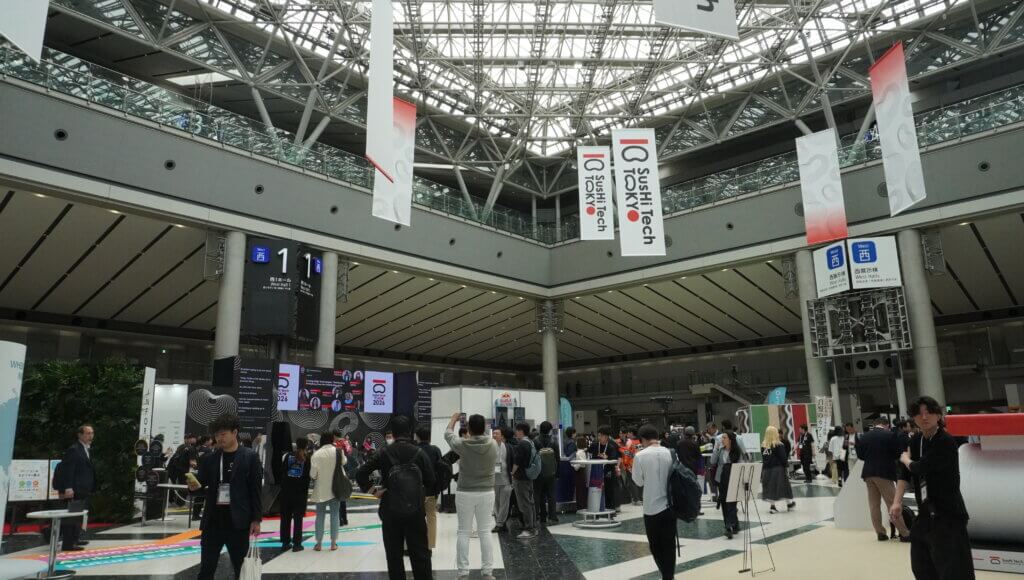
SusHi Tech Tokyo 2026, one of Asia’s largest global innovation conferences, was held at Tokyo Big Sight from April 27 to 29, 2026. During our visit to the event, we set out to identify technologies with the potential to impact and support the future of the MICE industry.
What kinds of innovations could transform meetings, incentives, conferences, and exhibitions in the years ahead? From emerging digital solutions to new approaches to communication, engagement, and event operations, we explored the exhibition floor in search of technologies that may help define the next generation of MICE.
MICE TIMES ONLINE served as a media partner for SusHi Tech Tokyo 2026.
Searching for MICE Tech Across 15,000 Steps
For the purposes of this article, the term “MICE tech” or “event tech” is used broadly to include technologies that enhance attendee experiences, improve operational efficiency, support multilingual communication, optimize venue design, and strengthen safety and security at events.
With more than 700 exhibitors participating in SusHi Tech Tokyo 2026, exploring the entire exhibition was no small task. While not every booth could be examined in detail, I made a point of walking past virtually all of them—covering the exhibition floor multiple times and logging roughly 15,000 steps in the process.
Interestingly, I found relatively few technologies that appeared to be directly applicable to the MICE and events industry. While there were many innovative products and services on display, solutions specifically designed for meetings, conferences, exhibitions, or event operations remained a minority. This may suggest that the MICE sector is not yet widely recognized among startups as a market with significant business potential.
Were Any MICE Technologies Being Used at the Event Itself?
I then shifted my focus and began looking for innovative technologies being utilized within the event itself. Were there any groundbreaking systems supporting event operations? Were there demonstration projects or pilot programs taking place behind the scenes?
Surprisingly, I found very little evidence of either. SusHi Tech Tokyo 2026 was a carefully planned and professionally executed event, with thoughtful venue layouts, clear signage, and well-designed exhibition spaces. However, from a visitor’s perspective, there were few visible examples of new event technologies being deployed on-site.
Rather than serving as a showcase for cutting-edge MICE technology, the event appeared to rely on strong event planning fundamentals and proven operational practices. In that sense, SusHi Tech Tokyo 2026 demonstrated the value of effective event design and execution, even without highly visible technological experimentation.
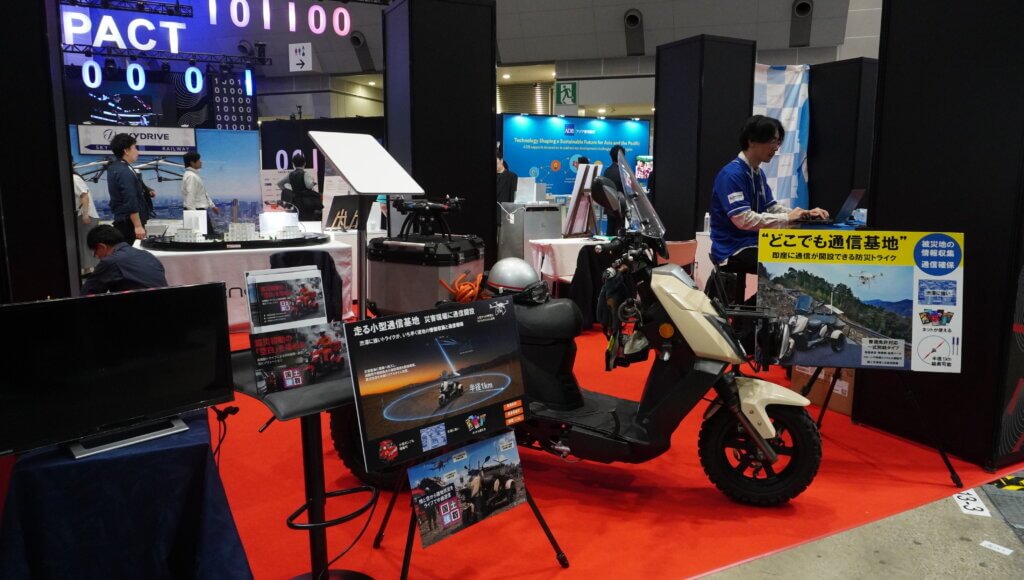
Could portable communications infrastructure turn virtually any location into a MICE venue? Perhaps not quite—but the idea is intriguing.
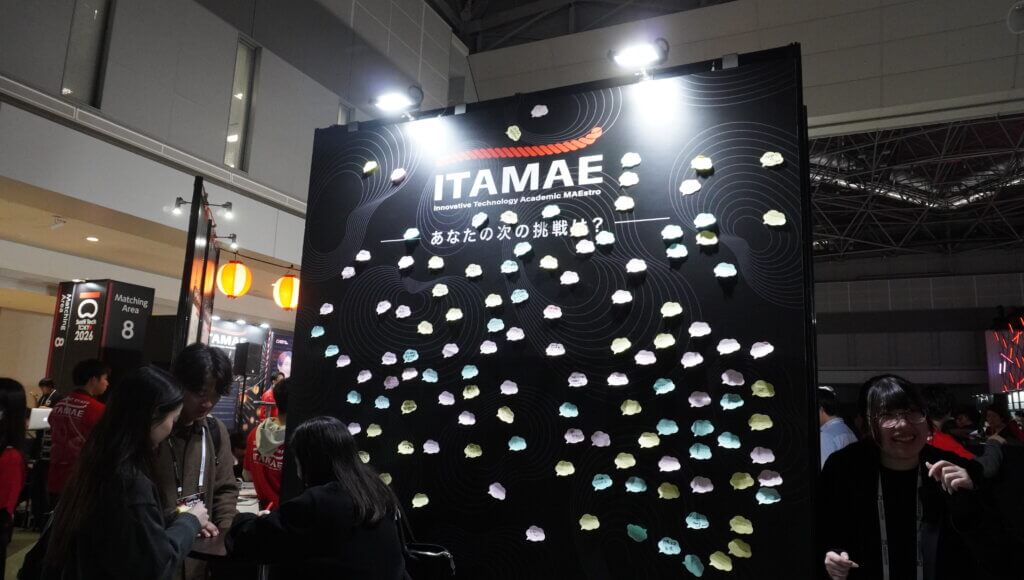
At the ITAMAE Zone, visitors were invited to leave messages by attaching handwritten notes to a large board. Surrounded by displays of advanced technologies and futuristic innovations, this distinctly analog feature stood out in an unexpected way.
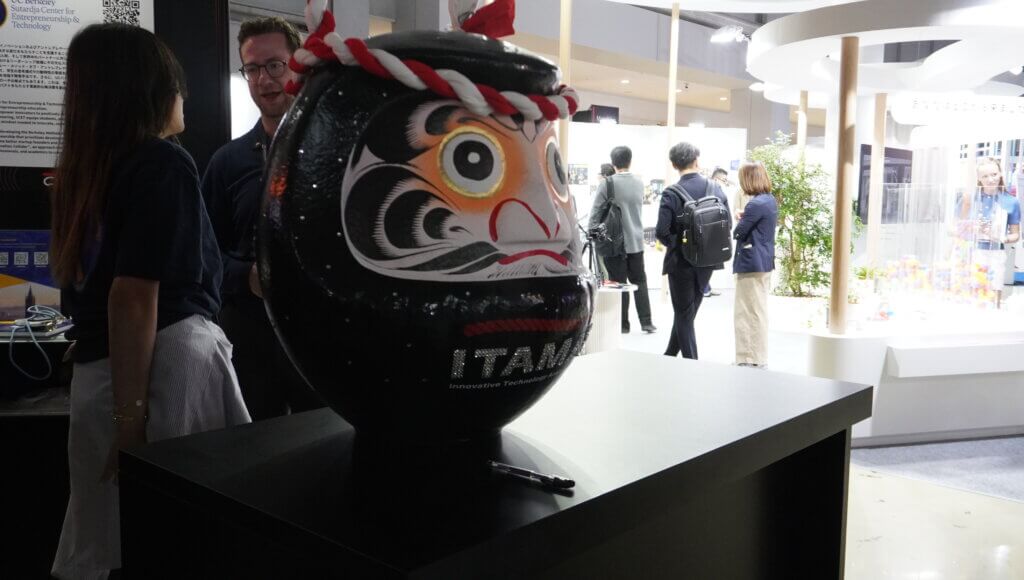
And this daruma was equally analog. Its eyes did not light up, and it certainly did not speak with the help of AI.
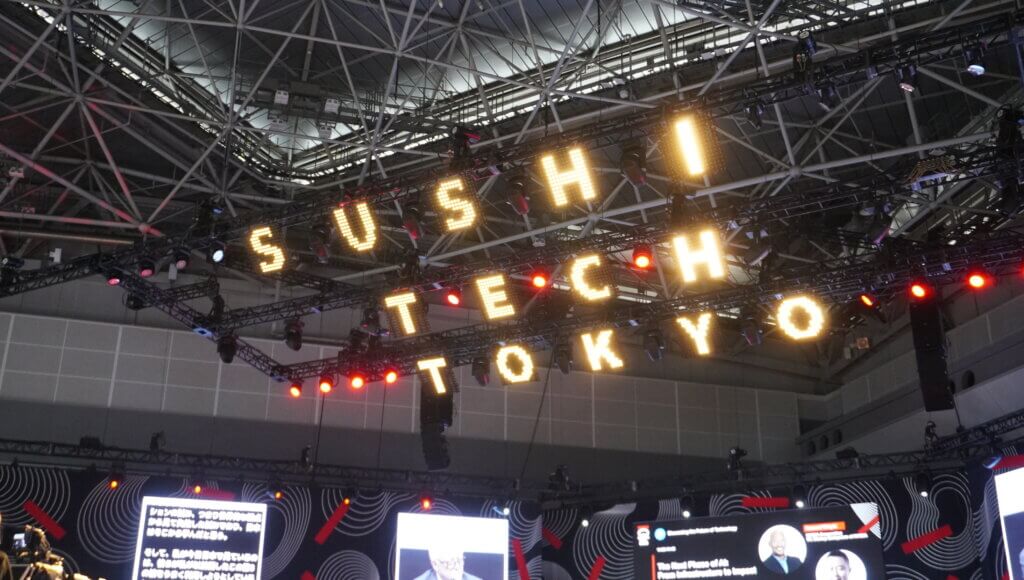
The illuminated sign above the stage was both highly visible and visually striking, even from a distance. Interestingly, rather than using letter-shaped elements, the design consisted of simple rectangular light panels. Perhaps this type of signage is already more widely used than I realize, as its flexible design seems adaptable to a variety of event settings.
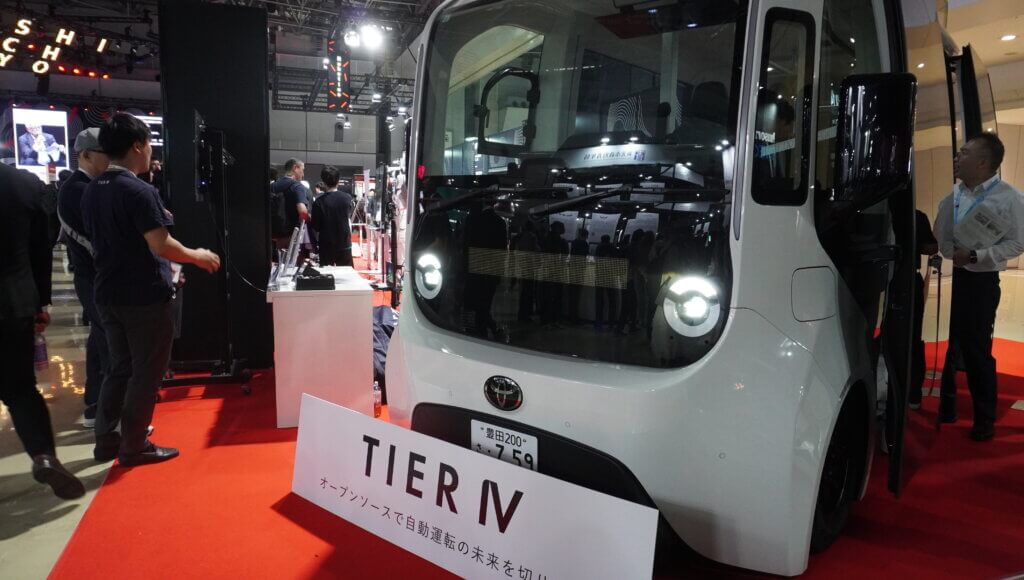
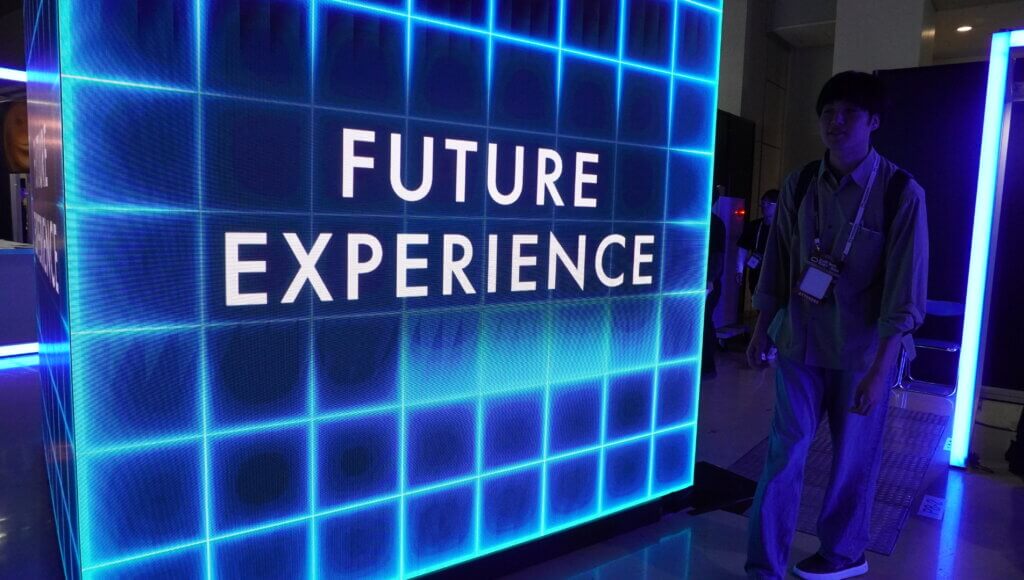
A high-brightness multi-sided display was used to great effect, attracting attention from across the venue and demonstrating how digital signage can serve as a strong visual focal point within an exhibition environment.
Let us now take a look at some of the exhibits that I felt could have potential applications in the MICE industry.
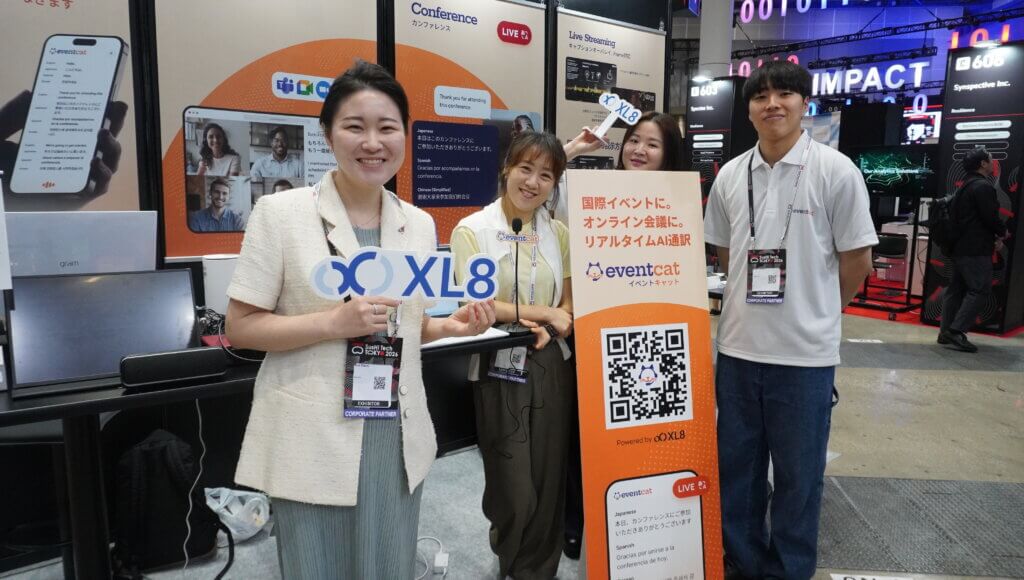
EventCAT: AI-Powered Real-Time Translation Captions from San Jose-Based Startup XL8
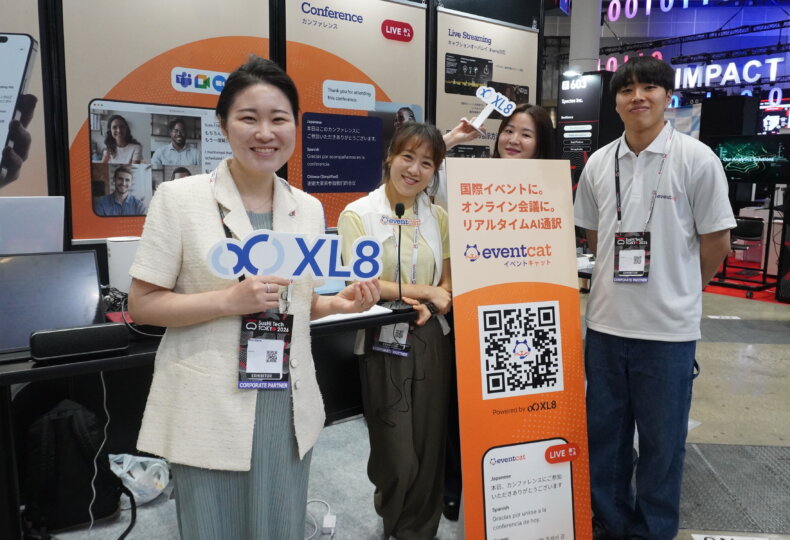
One of the exhibitors at SusHi Tech Tokyo 2026 was XL8, a startup based in San Jose, California. The company showcased EventCAT, an AI-powered captioning and translation platform designed for both in-person events and online meetings.
When asked about the system, company representatives explained, “EventCAT provides real-time captions for both offline events and online meetings.” According to XL8, the technology was also being used at several conference sessions taking place alongside SusHi Tech Tokyo.
The web-based platform delivers real-time subtitles during events and meetings, helping participants communicate across language barriers. In international conferences and business events, where multilingual communication is often essential, such tools can play an important role in improving information sharing and attendee engagement.
Regarding the company’s participation in SusHi Tech Tokyo, XL8 explained that it had joined the event through an official partnership with the Tokyo Metropolitan Government. While the company has already established a presence beyond its home market, representatives noted their interest in expanding further in Japan, stating that they hope to introduce the technology into more aspects of daily and business life in the country.
I also had the opportunity to test the system firsthand. Speaking into a microphone, I watched as both the Japanese speech and its translated output appeared smoothly on the screen in real time, making communication with booth staff straightforward. When asked about the company’s track record, representatives cited deployments by major corporations such as Nexon and SK, as well as use at numerous international events.
Among the many AI translation solutions exhibited at the venue, EventCAT stood out as the only one that, at least from my perspective, appeared to be directly and explicitly targeted at the MICE industry.
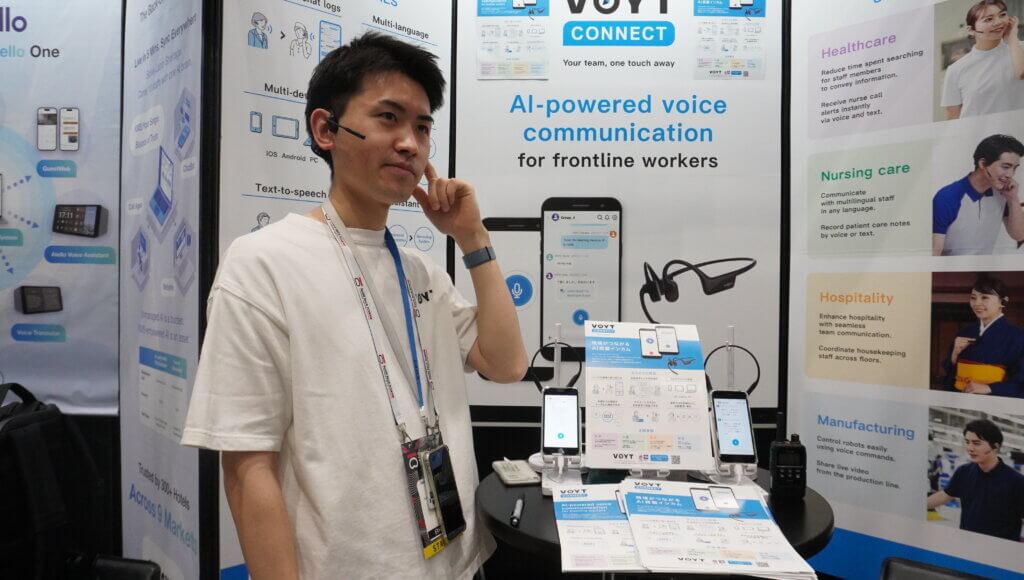
Turning Smartphones into Next-Generation Walkie-Talkies: VOYT Uses AI Translation and Transcription to Transform On-Site Communication
Another exhibitor that caught my attention was VOYT, a company developing an innovative application that turns smartphones into internet-connected walkie-talkies. While originally designed as a communication tool for frontline workers such as nurses and caregivers, the solution also appears well suited to event operations, where smooth coordination among staff is essential.
The service enables users to communicate in a manner similar to traditional two-way radios, but without the distance limitations associated with conventional devices. By installing the application on a smartphone and connecting an earphone microphone, staff can communicate via either iOS or Android devices. As long as an internet connection is available, team members can stay connected across large event venues and even with personnel working off-site.
VOYT has also entered into a capital and business partnership with Icom, one of Japan’s leading manufacturers of two-way radio equipment, enabling interoperability with existing radio systems.
The platform incorporates AI-powered translation and speech-to-text capabilities. Users can set their preferred language, allowing spoken messages to be automatically translated for recipients. This feature has the potential to facilitate communication with international staff members and multilingual teams.
Conversations are automatically transcribed and stored as searchable records, making it possible to review messages that may have been missed during busy periods. Users can also register industry terminology, technical terms, or personal names in a custom dictionary to improve the accuracy of both transcription and translation.
According to the company, the latest update introduces an AI-powered summary function that automatically compiles the day’s communications and sends a report to managers via email. By reducing administrative workload while improving information sharing, the system aims to support both frontline staff and management teams.
From a MICE perspective, the combination of team communication, multilingual support, automated record-keeping, and operational reporting makes VOYT a solution worth watching.
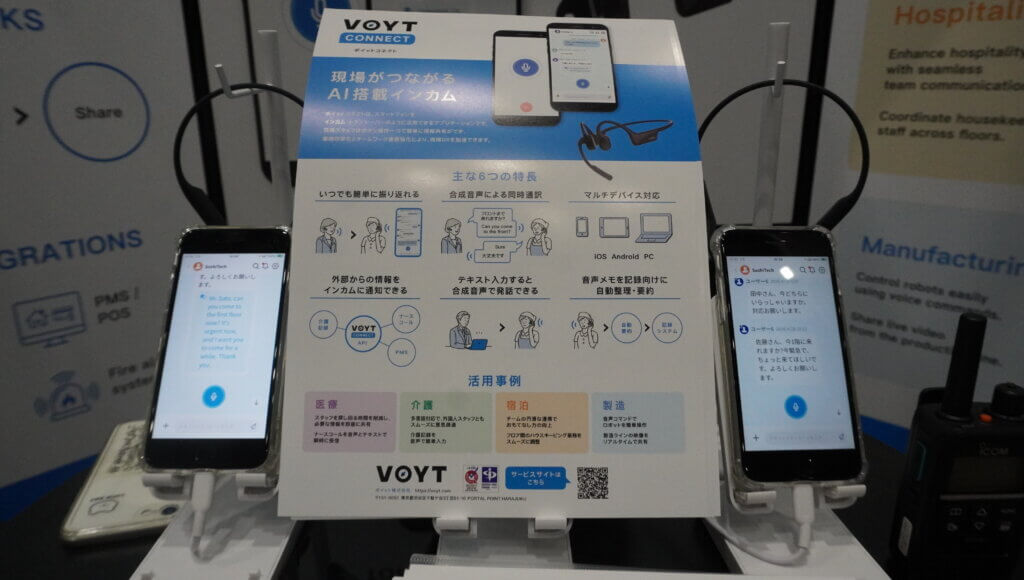
Open-Ear Bone-Conduction Headsets Enable Comfortable Communication
During the interview, I also had the opportunity to try a bone-conduction headset used alongside the platform. Because the device does not block the ears, users can remain aware of their surroundings while staying connected to their team.
The headset produced minimal sound leakage, and volume levels could be adjusted as needed. In practice, conversations were easy to hear, even while maintaining awareness of activity nearby.
Combined with AI-powered translation and transcription capabilities, the solution helps overcome language barriers while reducing the risk of missed communications. For event operations and other fast-paced environments where accurate information sharing is essential, the platform offers an interesting approach to improving on-site coordination.
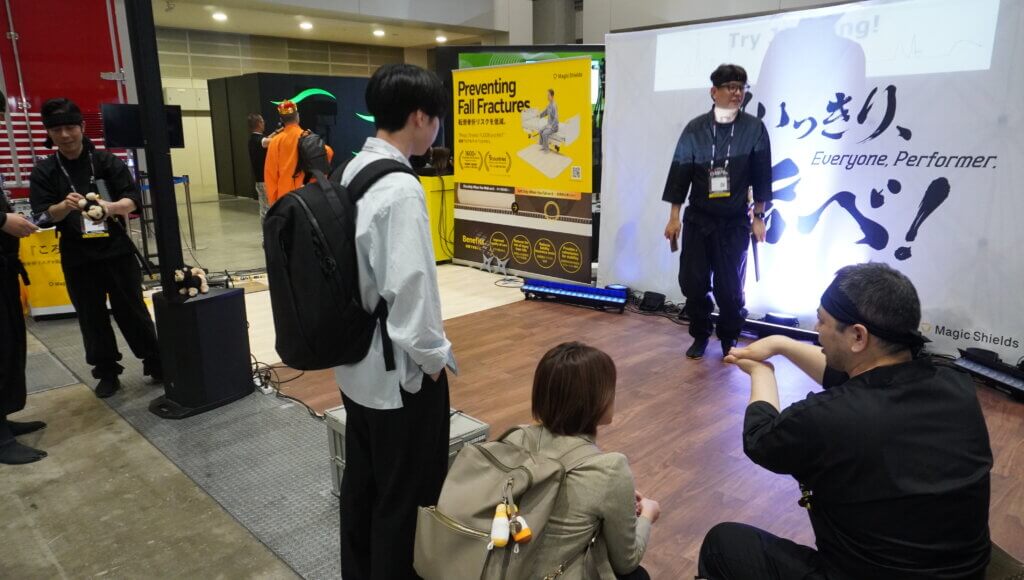
Soft When You Fall: Magic Shields’ “Koroyawa” Flooring Demonstrates Its Value in an Emergency
While the product is currently being introduced primarily in healthcare and elderly care facilities rather than the MICE sector, falls can be a serious concern in event environments as well. Developed by Magic Shields, Koroyawa is a unique flooring solution designed to combine everyday stability with impact absorption in the event of a fall.
Walking across the surface feels much like walking on a standard hard floor. However, when I knelt down to test it, the experience was surprisingly comfortable. According to the company, the impact transmitted during a fall is significantly lower than on carpet or tatami flooring, and comparable to that of a 4-centimeter-thick bedside safety mat.
The technology is based on a variable-stiffness structure known as a mechanical metamaterial. Rather than relying on soft materials alone, the flooring uses its internal structure to remain firm during normal use while deforming only when subjected to sudden impact. This allows it to provide both everyday usability and enhanced safety in a single surface.
From a MICE perspective, the product may have potential applications in environments where visitor safety is a priority, particularly in venues that welcome large numbers of attendees, senior participants, or healthcare-related events.
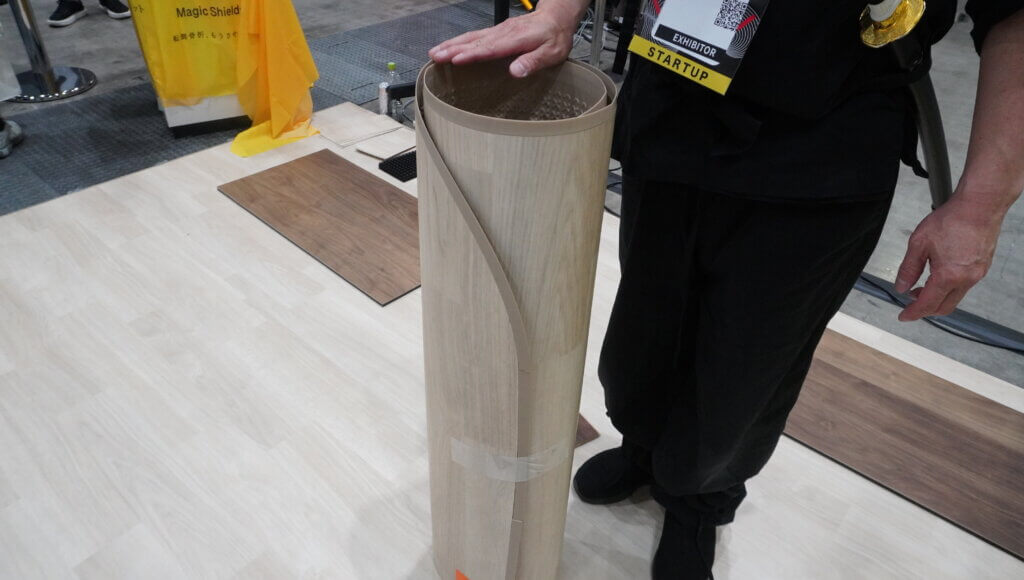
Potential Applications for Universal MICE and Accessible Events
The product also appears well suited to the growing focus on Universal MICE and accessible event design. Its combination of safety and stability could make it valuable in a range of event environments, including attendee circulation areas, experiential exhibits, stage settings, and temporary event spaces where risk management is a priority.
According to the company, the flooring does not significantly compress under heavy loads such as wheelchairs, allowing accessibility and mobility to be maintained while still providing impact absorption in the event of a fall.
Potential applications could include VIP and speaker pathways, backstage and waiting areas, lounge and rest spaces within MICE facilities, as well as medical rooms, nursing rooms, children’s activity areas, and experience zones designed for senior participants. As event organizers place greater emphasis on inclusivity, safety, and participant well-being, solutions such as Koroyawa may offer new possibilities for creating more accessible event environments.
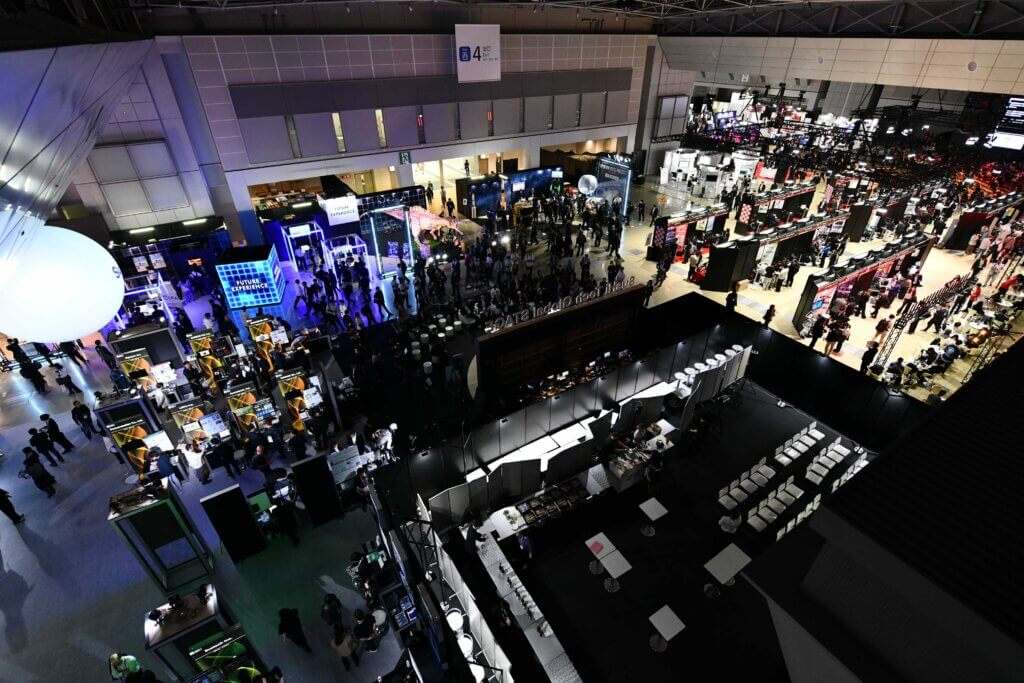
What Is SusHi Tech Tokyo 2026? A Large-Scale Startup Event Showcasing Diverse Innovations
As I walked through SusHi Tech Tokyo 2026 in search of technologies that could be applied to the MICE industry, I was reminded of just how broad the sector really is. In many ways, almost any emerging technology has the potential to find a role within meetings, conferences, exhibitions, or events.
AI-powered translation and interpretation tools have already reached a practical stage of adoption. Next-generation mobility solutions that connect venues and surrounding areas, as well as systems that support event operations and attendee management, are also becoming increasingly common. The challenge is no longer whether these technologies can be used in MICE, but how effectively they can be integrated to create better experiences for organizers and participants alike.
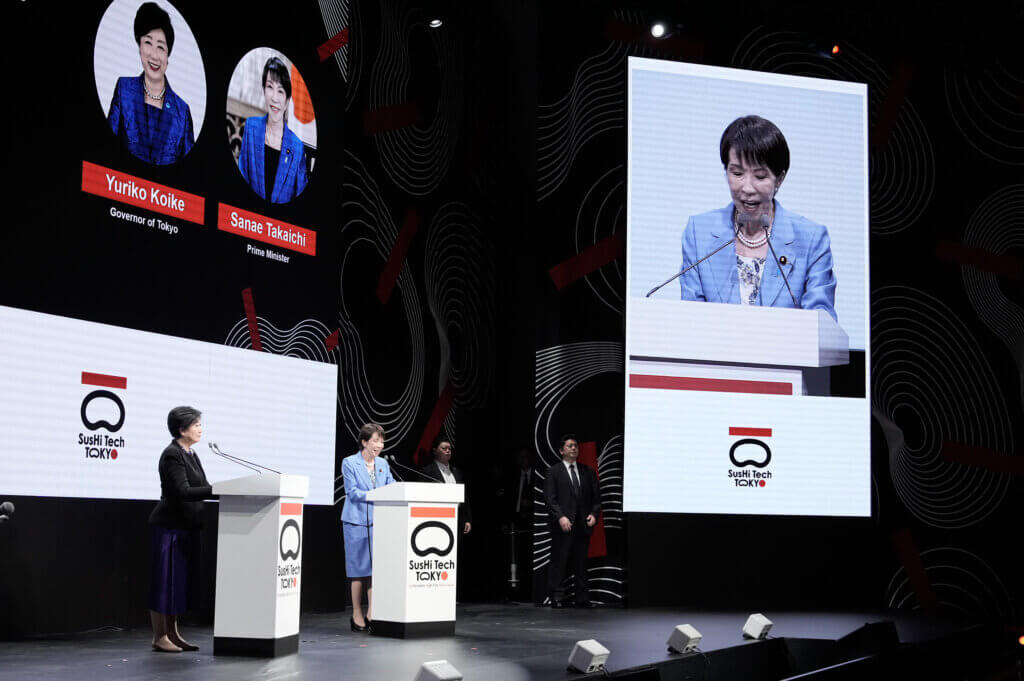
However, from what I observed, SusHi Tech Tokyo 2026 itself did not appear to make extensive use of groundbreaking event technologies. Compared with IVS, where the event itself often serves as a large-scale testing ground for new ideas and technologies, the underlying philosophy of event design seems quite different.
That is not to suggest that one approach is better than the other. In Japan, where business events can sometimes feel visually and operationally similar, I believe there is value in events expressing their own distinct character and identity.
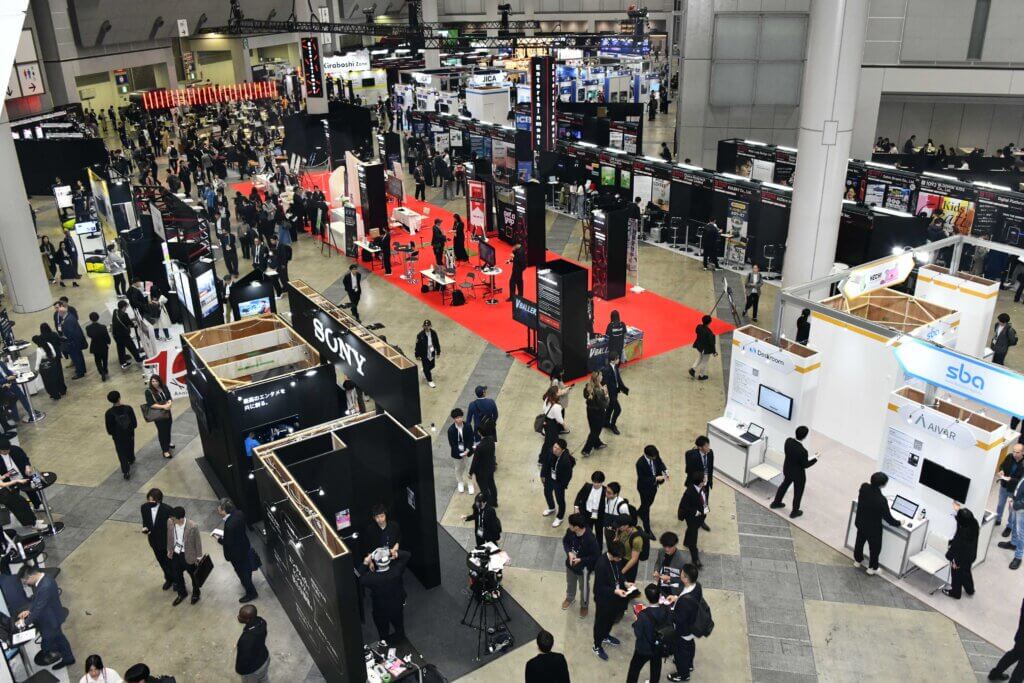
Ultimately, what I found at SusHi Tech Tokyo was not a large number of technologies developed specifically for the MICE industry. Rather, it was the potential to adapt innovations from adjacent industries and apply them to meetings, conferences, exhibitions, and events in new ways.
Related article:
https://micetimes.jp/report-sushi-tech-tokyo-2026-photo/

-
What Is GREEN×EXPO 2027? Dates, Venue, Highlights, and Exhibitor Information for the International Horticultural Expo in Yokohama, Japan

-
Pokémon GO Celebrates Its 10th Anniversary as Pokémon GO Fest 2026: Tokyo Draws a Record 1.71 Million Participant